Safe Acne Treatment for Teenagers

Safe Acne Treatment for Teenagers

Teenage Acne Treatment in Dubai | Pediatric Dermatologist at KindCare Medical Center

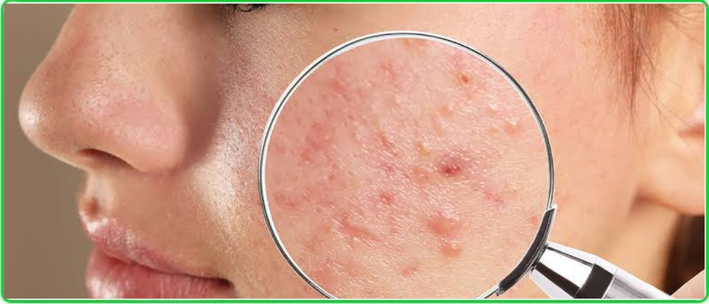
Teenage acne is one of the most common skin conditions during puberty. Hormonal changes stimulate the sebaceous glands, which can lead to clogged pores, blackheads, whiteheads, inflammatory breakouts and increased skin oiliness. Moderate or severe acne may also result in post-inflammatory pigmentation and acne scars and can significantly affect a teenager’s confidence and emotional well-being.

In Dubai, additional factors such as heat, sweating, intense sun exposure, dust and the use of heavy skincare or cosmetic products may contribute to irritation and breakouts.

At KindCare Medical Center in Dubai, teenage acne is treated by Dr. Yulia Zykova, Dermatologist, Venereologist and Trichologist with more than 28 years of clinical experience, who treats children from birth as well as adult patients.

Why Does Teenage Acne Develop?

Acne is not simply a cosmetic problem. It is a chronic inflammatory condition involving the sebaceous glands and hair follicles.

Several factors contribute to the development of acne:

  • increased sebum production;
  • blocked pores caused by abnormal skin cell turnover;
  • activity of Cutibacterium acnes;
  • inflammation;
  • hormonal changes during puberty;
  • genetic predisposition.

Stress, certain cosmetic products and inappropriate skincare routines may also aggravate acne.

What Does Teenage Acne Look Like?

Acne can appear in different forms, including:

  • blackheads (open comedones);
  • whiteheads (closed comedones);
  • inflammatory papules;
  • pustules;
  • deep and painful nodules;
  • dark or red marks after inflammation;
  • acne scars.

Breakouts most commonly affect the face but may also appear on the chest, shoulders and back.

Starting appropriate acne treatment for teenagers early can significantly reduce the risk of persistent pigmentation and permanent acne scarring.

Common Mistakes in Teenage Acne Treatment

One of the most common mistakes is trying to “dry out” acne as much as possible.

Harsh cleansers, alcohol-based toners, aggressive scrubs and frequent peeling can damage the skin barrier, increase irritation and make acne more difficult to manage.

Teenagers should also avoid:

  • squeezing or picking pimples;
  • combining multiple strong acne products without medical advice;
  • constantly changing skincare products;
  • using topical or oral antibiotics without a dermatologist’s recommendation;
  • applying strong acids or home chemical peels;
  • skipping daily sun protection.

Squeezing deep inflammatory lesions is particularly risky because it may increase the likelihood of acne scars and post-inflammatory hyperpigmentation.

Modern Acne Treatment for Teenagers

Treatment is selected according to the type and severity of acne, the teenager’s age, skin sensitivity and the risk of scarring.

  1. Medical Acne Treatment

For mild to moderate acne, a dermatologist may recommend topical treatments containing retinoids, benzoyl peroxide, azelaic acid or other appropriate medications.

More significant inflammatory acne may require additional treatment. Oral medications are considered only when clinically indicated and should be prescribed and monitored by a dermatologist.

The aim is to control inflammation, prevent new breakouts and reduce the risk of permanent scarring.

  1. Professional Dermatology Procedures

Selected professional procedures may complement medical acne treatment when appropriate.

Depending on the condition of the skin, a dermatologist may consider:

  • professional facial cleansing;
  • medical chemical peels;
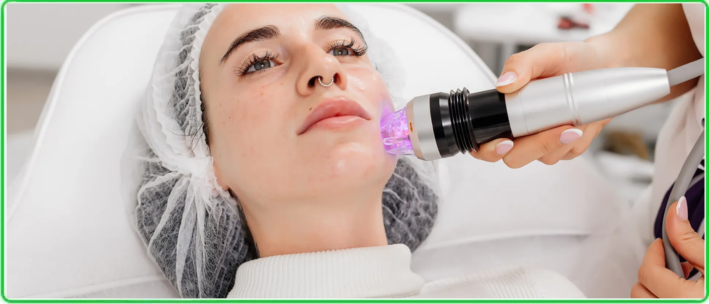
  • selected light or laser-based treatments;
  • procedures for post-inflammatory pigmentation;
  • acne scar treatments.

Professional procedures should be selected according to the patient’s age, skin type and current stage of acne.

It is important to understand that laser and aesthetic procedures do not replace appropriate medical treatment for active acne.

Acne Scar and Post-Acne Treatment

Even after active acne improves, teenagers may be left with red or brown marks, uneven skin texture or scars.

Once active inflammation is adequately controlled, the dermatologist can create a personalised post-acne treatment plan.

Depending on the type of skin changes, treatment may include chemical peels, BBL, selected laser technologies or other dermatological procedures.

The most appropriate option depends on the type of acne scars, pigmentation, skin phototype and individual characteristics.

Daily Skincare for Teenage Acne

A good teenage skincare routine does not need to be complicated.

A basic routine may include:

  • gentle cleansing morning and evening;
  • a non-comedogenic moisturiser;
  • prescribed acne treatment;
  • daily broad-spectrum sunscreen;
  • skincare products appropriate for oily or acne-prone skin.

In Dubai, SPF 50+ sun protection is particularly important. Intense sun exposure can make post-inflammatory pigmentation darker and cause acne marks to remain visible for longer.

Does Diet Affect Teenage Acne?

There is no single “acne diet” that works for every teenager. However, some studies suggest that a high-glycaemic diet may be associated with more severe acne in certain individuals.

Instead of restrictive diets, teenagers should generally follow a balanced and varied diet. If parents notice a consistent relationship between specific foods and worsening breakouts, this can be discussed with a dermatologist.

When Should a Teenager See a Dermatologist?

A consultation with a dermatologist in Dubai is particularly recommended when:

  • acne is becoming progressively worse;
  • deep or painful nodules appear;
  • acne scars begin to develop;
  • persistent pigmentation remains after breakouts;
  • over-the-counter products are not helping;
  • acne affects the chest or back;
  • the teenager feels embarrassed, anxious or distressed because of their skin.

Parents should not simply wait for a teenager to “grow out of acne.” Early professional treatment can significantly reduce the risk of long-term skin changes.

Teenage Acne Treatment at KindCare Medical Center in Dubai

At KindCare Medical Center, Dr. Yulia Zykova provides diagnosis and personalised treatment for teenage acne based on the patient’s age, skin type, severity of inflammation and individual needs.

A treatment programme may combine medical acne therapy, professional skincare, post-acne prevention and modern treatments for pigmentation and acne scars.

The goal is not simply to temporarily reduce breakouts but to control inflammation, protect the skin barrier and prevent permanent acne marks and scarring.

Book a consultation with Dr. Yulia Zykova at KindCare Medical Center in Dubai to receive a safe, personalised treatment plan for teenage acne and the prevention of post-acne pigmentation and scars.

Authors

recent articles

Safe Acne Treatment for Teenagers

Safe Acne Treatment for Teenagers Teenage Acne Treatment in Dubai | Pediatric Dermatologist at KindCare Medical Center Teenage acne is one of the most common skin conditions during puberty. Hormonal...

Psoriasis in Children: Signs, Diagnosis and Modern Treatment Options

Psoriasis in Children: Signs, Diagnosis and Modern Treatment Options Pediatric Dermatologist in Dubai | Psoriasis Treatment for Children at KindCare Medical Center Psoriasis in children is a chronic...

FIRST AID FOR NOSEBLEEDS: WHAT EVERYONE SHOULD KNOW

FIRST AID FOR NOSEBLEEDS: WHAT EVERYONE SHOULD KNOW A nosebleed (epistaxis) is one of the most common reasons for visiting an otorhinolaryngologist (ENT specialist). According to the World Health...

INHALATION THERAPY FOR ENT DISEASES: BENEFITS AND COMMON MISTAKES

INHALATION THERAPY FOR ENT DISEASES: BENEFITS AND COMMON MISTAKES Respiratory diseases of the upper airways can be effectively managed with nebulizer inhalation therapy, as nebulizers allow controlled...

Psoriasis in Children: Signs, Diagnosis and Modern Treatment Options

Psoriasis in Children: Signs, Diagnosis and Modern Treatment Options

Pediatric Dermatologist in Dubai | Psoriasis Treatment for Children at KindCare Medical Center

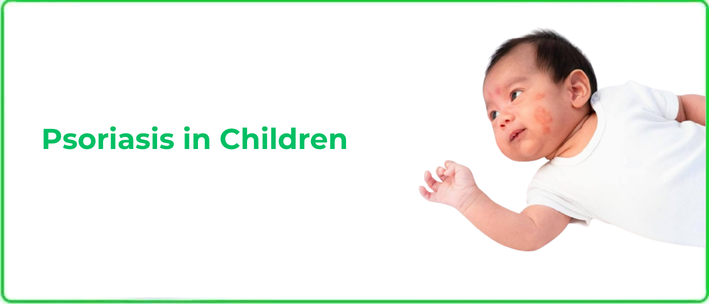
Psoriasis in children is a chronic immune-mediated skin condition that can develop at any age. In addition to physical symptoms such as redness, scaling, dryness and itching, psoriasis may significantly affect a child’s emotional well-being, confidence, participation in sports and social interaction.

In Dubai, environmental factors such as dry air conditioning, heat, sweating, frequent swimming and sudden temperature changes between outdoor and indoor environments may contribute to skin dryness and irritation. These factors do not cause psoriasis, but they may aggravate symptoms in some children.

At KindCare Medical Center in Dubai, pediatric and adult skin conditions are diagnosed and treated by Dr. Yulia Zykova, Dermatologist, Venereologist and Trichologist with more than 28 years of clinical experience, who sees children from birth as well as adult patients.

What Causes Psoriasis in Children?

Psoriasis is not an infection and is not contagious. It develops as a result of a combination of genetic predisposition and changes in immune system activity, leading to inflammation and an accelerated turnover of skin cells.

Common psoriasis triggers in children may include:

  • upper respiratory infections, including streptococcal throat infections;
  • emotional stress;
  • skin injuries, scratching or irritation;
  • certain medications;
  • excessive skin dryness;
  • changes in climate and environmental conditions.

The development of new psoriasis lesions in areas where the skin has been scratched or injured is known as the Koebner phenomenon.

What Does Psoriasis Look Like in Children?

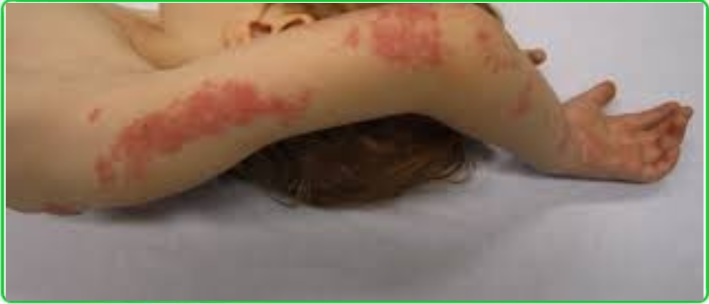
Typical psoriasis may appear as well-defined red or pink patches or plaques covered with scaling. However, psoriasis in children does not always look exactly the same as it does in adults, which can make self-diagnosis difficult.

Commonly affected areas include:

  • elbows and knees;
  • scalp;
  • behind the ears;
  • trunk;
  • face;
  • skin folds;
  • palms and soles.

Children may also experience itching, dryness, skin sensitivity, painful cracks or discomfort.

There are several forms of psoriasis, including plaque psoriasis, guttate psoriasis, inverse psoriasis and pustular psoriasis. An accurate diagnosis should therefore be made by a dermatologist.

Scalp Psoriasis in Children

Scalp psoriasis may cause persistent scaling, redness and itching. Parents sometimes mistake it for dandruff or seborrheic dermatitis.

If scaling is persistent, thick plaques develop, or redness extends beyond the hairline, it is advisable to consult a pediatric dermatologist in Dubai for an accurate diagnosis.

Diagnosis of Childhood Psoriasis at KindCare Medical Center

In many cases, psoriasis can be diagnosed through a detailed examination of the skin and medical history.

Dr. Yulia Zykova evaluates the appearance and distribution of the lesions, the condition of the scalp and nails, family history and possible triggers.

It is important to differentiate psoriasis from other common childhood skin conditions, including:

  • atopic dermatitis;
  • seborrheic dermatitis;
  • contact dermatitis;
  • fungal skin infections;
  • certain bacterial skin conditions.

Additional tests or consultations with other specialists may be recommended when clinically indicated.

Modern Psoriasis Treatment for Children

Psoriasis treatment in children is always individualised according to the child’s age, type of psoriasis, severity, affected body areas and impact on quality of life.

  1. Daily Skin Care

Regular use of moisturisers and emollients can help restore the skin barrier and reduce dryness, scaling and discomfort.

Gentle cleansers without harsh ingredients or unnecessary fragrances are generally preferable for sensitive skin.

  1. Topical Treatment

Depending on the diagnosis and severity, a dermatologist may prescribe topical anti-inflammatory treatments, keratolytic agents or other medications appropriate for the child’s age and the affected area.

Extra caution is required when treating sensitive areas such as the face and skin folds.

  1. Phototherapy

For more widespread psoriasis, medical phototherapy, such as narrowband UVB therapy, may be considered when appropriate.

Treatment should be performed according to medical indications and under specialist supervision.

  1. Systemic and Biologic Treatment

Moderate-to-severe psoriasis that cannot be adequately controlled with topical therapy may require systemic treatment.

For selected pediatric patients, modern biologic therapies approved for specific age groups may also be considered. These treatments require appropriate medical assessment, monitoring and follow-up.

Can BBL, MOXI or Cosmetic Lasers Treat Childhood Psoriasis?

BBL, MOXI and cosmetic fractional lasers are not standard treatments for psoriasis in children. Skin trauma during active psoriasis may potentially trigger new lesions through the Koebner phenomenon.

For this reason, any laser or energy-based procedure in a child with psoriasis should only be considered by a dermatologist when there is a specific medical indication.

Lifestyle and Skin Care for Children With Psoriasis

Good daily habits can help reduce irritation and support the skin barrier. Parents should encourage children to:

  • moisturise the skin regularly;
  • avoid scratching and unnecessary skin trauma;
  • wear comfortable, breathable clothing;
  • avoid excessively hot showers;
  • use appropriate sun protection;
  • maintain healthy sleep and physical activity;
  • follow the dermatologist’s treatment plan even when symptoms improve.

In Dubai, additional attention may be needed after swimming and after spending long periods in strongly air-conditioned environments.

Emotional Support for Children With Psoriasis

Visible skin conditions can affect a child’s confidence, particularly during school age and adolescence. Some children may feel embarrassed about their skin or avoid sports and social activities.

It is important to explain that psoriasis is not contagious and is not caused by poor hygiene. When psoriasis significantly affects emotional well-being or daily life, additional psychological support may also be beneficial.

When Should You See a Dermatologist?

A medical consultation is recommended if the rash spreads rapidly, becomes painful or severely itchy, cracks develop, signs of infection appear, or previously effective treatment no longer controls the symptoms.

Parents should also inform the doctor if a child with psoriasis develops joint pain, swelling or stiffness, as psoriasis can occasionally be associated with inflammatory joint disease.

Pediatric Psoriasis Treatment at KindCare Medical Center in Dubai

Psoriasis is a chronic condition, but modern dermatology offers effective ways to control symptoms, reduce flare-ups and maintain a child’s quality of life.

Book a consultation with Dr. Yulia Zykova at KindCare Medical Center in Dubai if your child has persistent redness, scaling, itching or suspected psoriasis. Early diagnosis and an individualised treatment plan can help control the condition and support healthy skin throughout childhood.

recent articles

Safe Acne Treatment for Teenagers

Safe Acne Treatment for Teenagers Teenage Acne Treatment in Dubai | Pediatric Dermatologist at KindCare Medical Center Teenage acne is one of the most common skin conditions during puberty. Hormonal...

Psoriasis in Children: Signs, Diagnosis and Modern Treatment Options

Psoriasis in Children: Signs, Diagnosis and Modern Treatment Options Pediatric Dermatologist in Dubai | Psoriasis Treatment for Children at KindCare Medical Center Psoriasis in children is a chronic...

FIRST AID FOR NOSEBLEEDS: WHAT EVERYONE SHOULD KNOW

FIRST AID FOR NOSEBLEEDS: WHAT EVERYONE SHOULD KNOW A nosebleed (epistaxis) is one of the most common reasons for visiting an otorhinolaryngologist (ENT specialist). According to the World Health...

INHALATION THERAPY FOR ENT DISEASES: BENEFITS AND COMMON MISTAKES

INHALATION THERAPY FOR ENT DISEASES: BENEFITS AND COMMON MISTAKES Respiratory diseases of the upper airways can be effectively managed with nebulizer inhalation therapy, as nebulizers allow controlled...
Emsculpt in Dubai

Emsculpt in Dubai: Build Muscle and Reduce Fat with Advanced Body Sculpting Technology

Emsculpt in Dubai: Build Muscle and Reduce Fat with Advanced Body Sculpting Technology

Emsculpt in Dubai

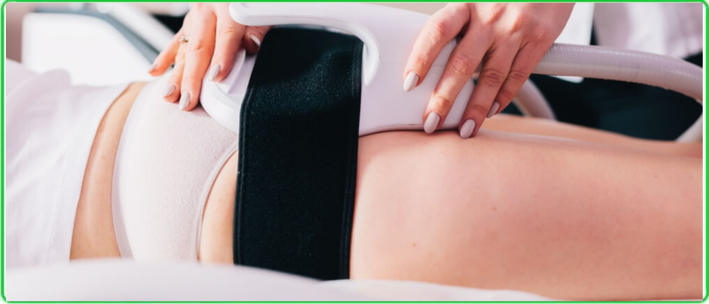
Emsculpt is an innovative, non-invasive body contouring treatment that allows you to build muscle and reduce fat simultaneously. This advanced technology uses high-intensity focused electromagnetic (HIFEM) energy to trigger supramaximal muscle contractions — far more powerful than those achieved during regular workouts.

As a result, muscles become stronger and more defined, while fat cells are broken down, helping to create a firmer, more sculpted body shape. Emsculpt in Dubai is especially popular among patients who want visible results without surgery, injections, or downtime.

At KindCare Medical Center Dubai, Emsculpt treatments are performed using certified medical equipment and personalized protocols tailored to each patient’s goals.

How Emsculpt Works

During a single Emsculpt session, the targeted muscles undergo thousands of intense contractions in just 30 minutes. These supramaximal contractions:

  • stimulate muscle fiber growth and strengthening,
  • improve local metabolism,
  • activate lipolysis — the natural breakdown of fat cells.

As the body responds to this intense muscular activity, fat is used as an energy source, leading to a reduction in fat volume and improved skin firmness. Over time, muscle tone increases and body contours become more defined.

Emsculpt Protocols for the Abdomen

Emsculpt is highly effective for strengthening the rectus and oblique abdominal muscles, helping achieve a flatter and more toned abdomen.

  • Recommended course: 4–6 sessions
  • Interval between sessions: 2–3 days
  • Duration of each session: approximately 30 minutes

This protocol supports core strength, improves posture, and enhances abdominal definition — even for patients who struggle to see results from traditional exercise.

Emsculpt Protocols for the Glutes

Specialized Emsculpt programs are designed to activate the gluteus maximus and medius muscles, creating a natural lifting and firming effect.

Benefits include:

  • improved muscle tone and projection,
  • enhanced shape and firmness of the buttocks,
  • lifting effect without surgery or fat transfer.

This makes Emsculpt glute treatment in Dubai an excellent alternative for patients seeking a non-surgical butt lift.

Who Is Emsculpt Suitable For?

Emsculpt body sculpting is ideal for women and men who:

  • want to increase muscle definition,
  • reduce stubborn fat deposits,
  • enhance body contours after weight loss or pregnancy,
  • improve muscle tone without intense workouts.

Emsculpt at KindCare Medical Center

At KindCare Medical Center, Emsculpt procedures are performed by beauty therapist Lyudmila, a specialist with over 7 years of professional experience in aesthetic treatments. Certified equipment and individualized protocols ensure safety, comfort, and noticeable results after a full course.

Conclusion

Emsculpt in Dubai is a scientifically proven, non-invasive solution for muscle building and fat reduction. By combining intense muscle activation with fat metabolism, it delivers visible body sculpting results without downtime.

📍 Book your Emsculpt treatment at KindCare Medical Center Dubai and take the next step toward a stronger, more sculpted, and confident body.

recent articles

Safe Acne Treatment for Teenagers

Safe Acne Treatment for Teenagers Teenage Acne Treatment in Dubai | Pediatric Dermatologist at KindCare Medical Center Teenage acne is one of the most common skin conditions during puberty. Hormonal...

Psoriasis in Children: Signs, Diagnosis and Modern Treatment Options

Psoriasis in Children: Signs, Diagnosis and Modern Treatment Options Pediatric Dermatologist in Dubai | Psoriasis Treatment for Children at KindCare Medical Center Psoriasis in children is a chronic...

FIRST AID FOR NOSEBLEEDS: WHAT EVERYONE SHOULD KNOW

FIRST AID FOR NOSEBLEEDS: WHAT EVERYONE SHOULD KNOW A nosebleed (epistaxis) is one of the most common reasons for visiting an otorhinolaryngologist (ENT specialist). According to the World Health...

INHALATION THERAPY FOR ENT DISEASES: BENEFITS AND COMMON MISTAKES

INHALATION THERAPY FOR ENT DISEASES: BENEFITS AND COMMON MISTAKES Respiratory diseases of the upper airways can be effectively managed with nebulizer inhalation therapy, as nebulizers allow controlled...
Icoone Laser in Dubai

Icoon Laser in Dubai: Advanced Lymphatic Drainage and Body Contouring Without Downtime

Icoon Laser in Dubai: Advanced Lymphatic Drainage and Body Contouring Without Downtime

Icoone Laser in Dubai

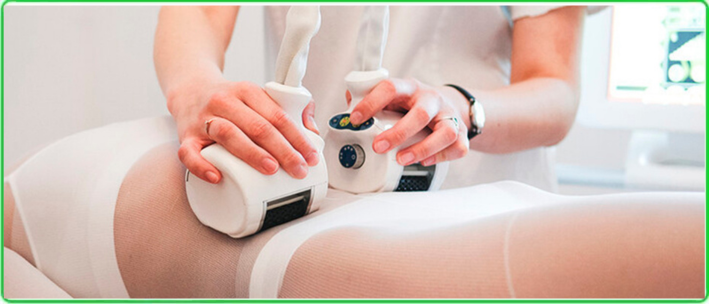
Icoon Laser is an advanced body contouring and skin-quality improvement technology widely used in aesthetic medicine in Dubai. This non-invasive treatment is designed to reduce fluid retention, fibrosis, and visible cellulite while improving skin tone and overall body contours. By combining vacuum-roller massage with LED light stimulation, Icoon Laser in Dubai is considered one of the most effective and comfortable solutions for lymphatic drainage and body shaping.

At KindCare Medical Center Dubai, Icoon Laser is used both as a standalone procedure and as part of personalized body contouring programs. Many patients notice reduced swelling, a feeling of lightness, smoother skin texture, and improved firmness after the first few sessions.

How Icoon Laser Works

The Icoon Laser technology combines:

  • vacuum and roller mechanical stimulation,
  • LED light therapy.

During the procedure, the device gently but deeply stimulates the skin and subcutaneous fat layers, activating the lymphatic system and enhancing microcirculation. This promotes efficient lymphatic drainage, helps remove excess fluid, and accelerates the elimination of metabolic waste — especially important in Dubai’s hot climate, where edema and fluid retention are common.

LED light stimulation further enhances cellular metabolism, improves tissue density, and supports skin regeneration. As a result:

  • cellulite appearance is reduced,
  • fibrotic areas soften,
  • skin becomes smoother, firmer, and more toned.

Benefits of Icoon Laser Treatment

  • Non-invasive and painless procedure
  • No downtime or recovery period
  • Suitable for all skin types
  • Can be performed year-round
  • Effective for cellulite treatment in Dubai
  • Enhances results of aesthetic and injectable treatments

How Icoon Laser Differs from Traditional Massage

Unlike manual massage, Icoon Laser body treatment works deeper and more precisely. It targets not only superficial skin layers but also the subcutaneous fat tissue and lymphatic system, providing longer-lasting and more visible results in body contouring and lymphatic drainage.

Icoon Laser at KindCare Medical Center

At KindCare Medical Center Dubai, Icoon Laser treatments are performed using certified equipment in a comfortable clinical environment. Each session lasts 30–40 minutes and is carried out by Lyudmila, an experienced aesthetic specialist with over 7 years of professional experience. A personalized treatment protocol is created after an initial consultation.

Icoon Laser at KindCare Medical Center is a safe, effective solution for lymphatic drainage in Dubai, cellulite reduction, and body contouring — without pain or recovery time.

recent articles

Safe Acne Treatment for Teenagers

Safe Acne Treatment for Teenagers Teenage Acne Treatment in Dubai | Pediatric Dermatologist at KindCare Medical Center Teenage acne is one of the most common skin conditions during puberty. Hormonal...

Psoriasis in Children: Signs, Diagnosis and Modern Treatment Options

Psoriasis in Children: Signs, Diagnosis and Modern Treatment Options Pediatric Dermatologist in Dubai | Psoriasis Treatment for Children at KindCare Medical Center Psoriasis in children is a chronic...

FIRST AID FOR NOSEBLEEDS: WHAT EVERYONE SHOULD KNOW

FIRST AID FOR NOSEBLEEDS: WHAT EVERYONE SHOULD KNOW A nosebleed (epistaxis) is one of the most common reasons for visiting an otorhinolaryngologist (ENT specialist). According to the World Health...

INHALATION THERAPY FOR ENT DISEASES: BENEFITS AND COMMON MISTAKES

INHALATION THERAPY FOR ENT DISEASES: BENEFITS AND COMMON MISTAKES Respiratory diseases of the upper airways can be effectively managed with nebulizer inhalation therapy, as nebulizers allow controlled...
Viral Rashes in Children

Viral Rashes in Children: Chickenpox, Measles, Rubella — How to Tell the Difference

Viral Rashes in Children: Chickenpox, Measles, Rubella — How to Tell the Difference

Viral Rashes in Children

The appearance of a rash in a child is one of the most common reasons for parental concern. In Dubai’s international environment—where children from different countries attend schools and nurseries—the risk of viral infections is higher. Chickenpox, measles, and rubella may look similar at first, but they require different approaches to treatment and isolation. Correct identification of the rash helps prevent complications and protects other children from infection.

Why Viral Rashes Occur

Most viral infections are spread through airborne droplets. The incubation period can range from a few days to three weeks. Early symptoms often resemble a common cold: fever, runny nose, weakness, irritability.
Only after some time does a rash appear, and its pattern and location help the doctor identify which virus is responsible.

How to Distinguish the Most Common Viral Rashes

  • Chickenpox (Varicella)
    Begins with mild fever and itching. The skin develops small fluid-filled blisters — clear, round “dew drops.” They quickly rupture, dry out, and form crusts. Chickenpox rash appears in waves, so new blisters and crusted lesions coexist.
  • Measles
    A more severe infection, accompanied by high fever, dry barking cough, conjunctivitis, and sensitivity to light. The rash is bright red and blotchy. It first appears on the face and behind the ears, then spreads down the body.
  • Rubella (German measles)
    Presents as fine pink spots with minimal itching. Swollen lymph nodes in the neck and behind the ears are common. Fever is mild. Rubella is usually mild in children but dangerous for pregnant women due to the risk of congenital abnormalities.

Expert’s Comment

According to Dr. Kristina Evdoshenko, PhD, dermatologist at KindCare Medical Center (Dubai):

“Viral rashes often imitate allergic or bacterial conditions. Only an in-person examination allows us to determine the true cause. We assess the appearance of the rash, the child’s general condition, fever, mucous membranes, and the presence of itching. When needed, we perform laboratory tests to confirm the diagnosis.”

When to See a Doctor

Seek immediate medical attention if:

  • the child has a high fever;
  • the rash spreads rapidly;
  • signs of intoxication appear (weakness, vomiting, refusal to eat);
  • the rash becomes bleeding or develops pustules;
  • the child is unusually sleepy or lethargic.

Important: using corticosteroid creams without medical supervision can worsen viral infections.

Conclusion

Viral rashes require careful monitoring and professional evaluation. At the first signs of illness, the child should be isolated and examined by a specialist to prevent complications and protect others.

 Book an appointment with Dr. Kristina Evdoshenko, PhD, at KindCare Medical Center (Dubai) for accurate diagnosis and safe management of viral skin infections in children.

recent articles

Safe Acne Treatment for Teenagers

Safe Acne Treatment for Teenagers Teenage Acne Treatment in Dubai | Pediatric Dermatologist at KindCare Medical Center Teenage acne is one of the most common skin conditions during puberty. Hormonal...

Psoriasis in Children: Signs, Diagnosis and Modern Treatment Options

Psoriasis in Children: Signs, Diagnosis and Modern Treatment Options Pediatric Dermatologist in Dubai | Psoriasis Treatment for Children at KindCare Medical Center Psoriasis in children is a chronic...

FIRST AID FOR NOSEBLEEDS: WHAT EVERYONE SHOULD KNOW

FIRST AID FOR NOSEBLEEDS: WHAT EVERYONE SHOULD KNOW A nosebleed (epistaxis) is one of the most common reasons for visiting an otorhinolaryngologist (ENT specialist). According to the World Health...

INHALATION THERAPY FOR ENT DISEASES: BENEFITS AND COMMON MISTAKES

INHALATION THERAPY FOR ENT DISEASES: BENEFITS AND COMMON MISTAKES Respiratory diseases of the upper airways can be effectively managed with nebulizer inhalation therapy, as nebulizers allow controlled...
RF Eye Treatment

RF Eye Treatment: Gentle Tightening of Eyelids and Smoothing Crow’s Feet Without Blepharoplasty

RF Eye Treatment: Gentle Tightening of Eyelids and Smoothing Crow’s Feet Without Blepharoplasty

RF Eye Treatment

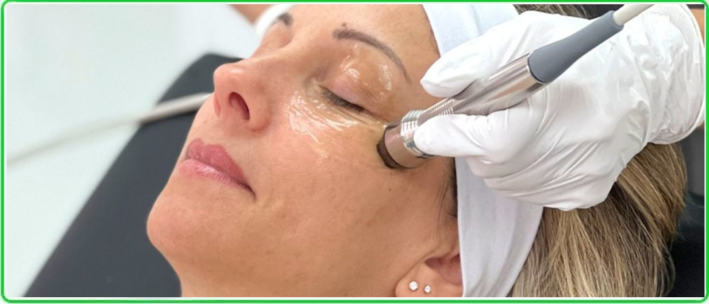
The skin around the eyes is the thinnest and most delicate area of the face. It loses elasticity faster than other zones, leading to fine lines, crow’s feet, and eyelid laxity. A safe and effective solution for rejuvenating this sensitive area without surgery is RF eye treatment — a radiofrequency lifting procedure that tightens the skin without injections or blepharoplasty.

At KindCare Medical Center Dubai, RF treatment around the eyes is performed using certified Exion technology by BTL, ensuring precise, controlled, and gentle energy delivery tailored specifically for the periocular area.

How RF Eyelid Tightening Works

Radiofrequency energy works at optimal depths to stimulate skin renewal without damaging the surface:

  • RF waves penetrate 1–2 mm into the dermis, safely heating the deeper skin layers while protecting the epidermis.
  • Controlled thermal stimulation activates fibroblasts, increasing the production of collagen and elastin.
  • The skin becomes denser and firmer, reducing laxity of the upper and lower eyelids.

Many patients notice visible improvement after the first session: the skin appears tighter, fine wrinkles are softened, and crow’s feet become less pronounced. Results continue to improve over the following weeks as collagen regeneration progresses.

Key Benefits of RF Around the Eyes

  • Completely non-invasive and painless
  • No injections, anesthesia, or surgical risks
  • No scars and no long downtime
  • Safe for the delicate eye area
  • Suitable for all skin types and tones
  • Can be performed year-round, including in Dubai’s sunny climate

RF eye lifting is an excellent alternative for patients who want to refresh their look and tighten eyelids without undergoing surgical blepharoplasty.

Who Is RF Eye Treatment For?

This procedure is ideal for women and men who experience:

  • early signs of eyelid sagging,
  • crow’s feet and fine lines around the eyes,
  • tired or heavy-looking eyes,
  • loss of skin firmness due to aging or lifestyle factors.

A course of 3–5 sessions typically provides optimal and long-lasting results, making the eyes look more open and refreshed.

Why Choose KindCare Medical Center

At KindCare Medical Center, RF eye treatments are performed by beauty therapist Lyudmila, who has over 7 years of experience in advanced aesthetic procedures. Treatment parameters are carefully customized for each patient to ensure safety and natural-looking results in this sensitive area.

Conclusion

RF eye treatment in Dubai is a modern, gentle, and effective way to tighten eyelids and smooth crow’s feet without surgery. With professional care and advanced Exion technology, it delivers visible rejuvenation while preserving natural facial expressions.

 Book your RF eye lifting treatment at KindCare Medical Center Dubai and restore a youthful, open, and refreshed look to your eyes.

recent articles

Safe Acne Treatment for Teenagers

Safe Acne Treatment for Teenagers Teenage Acne Treatment in Dubai | Pediatric Dermatologist at KindCare Medical Center Teenage acne is one of the most common skin conditions during puberty. Hormonal...

Psoriasis in Children: Signs, Diagnosis and Modern Treatment Options

Psoriasis in Children: Signs, Diagnosis and Modern Treatment Options Pediatric Dermatologist in Dubai | Psoriasis Treatment for Children at KindCare Medical Center Psoriasis in children is a chronic...

FIRST AID FOR NOSEBLEEDS: WHAT EVERYONE SHOULD KNOW

FIRST AID FOR NOSEBLEEDS: WHAT EVERYONE SHOULD KNOW A nosebleed (epistaxis) is one of the most common reasons for visiting an otorhinolaryngologist (ENT specialist). According to the World Health...

INHALATION THERAPY FOR ENT DISEASES: BENEFITS AND COMMON MISTAKES

INHALATION THERAPY FOR ENT DISEASES: BENEFITS AND COMMON MISTAKES Respiratory diseases of the upper airways can be effectively managed with nebulizer inhalation therapy, as nebulizers allow controlled...
Exion RF Microneedling

Exion RF Microneedling: Micro-Needling Combined with RF for Firmer, Tighter Skin

Exion RF Microneedling: Micro-Needling Combined with RF for Firmer, Tighter Skin

Exion RF Microneedling

If you are looking for an advanced solution to restore skin firmness and elasticity without surgery, Exion RF Microneedling is one of the most innovative treatments in modern aesthetic medicine. This technology combines two powerful methods — controlled microneedling and radiofrequency (RF) energy — to improve skin quality from within.

At KindCare Medical Center Dubai, Exion RF Microneedling is performed using the original Exion device by BTL, ensuring maximum safety, precision, and clinically proven results.

How Exion RF Microneedling Works

Exion technology targets the skin on multiple levels simultaneously:

  • Ultra-fine needles create controlled microchannels at depths ranging from 0.5 to 4 mm, stimulating the skin’s natural repair and renewal processes.
  • At the same time, radiofrequency energy is delivered directly into the dermis, providing deep thermal stimulation.
  • This dual action activates fibroblasts and boosts the production of collagen and elastin, leading to stronger, denser skin.

As a result:

  • fine lines and wrinkles are reduced,
  • pores appear tighter,
  • skin texture becomes smoother,
  • firmness and elasticity are visibly improved.

Initial improvements are often noticeable after the first session, with optimal results developing gradually over 4–6 weeks.

Key Benefits of Exion RF Microneedling

  • Combines skin rejuvenation and tightening in one procedure
  • Targets deeper layers without damaging the skin surface
  • Minimal downtime — typically 1–3 days
  • Suitable for various skin types and ages
  • Effective alternative to surgical lifting in early aging stages

The treatment can be performed on:

  • face,
  • neck,
  • décolleté,
  • eye area,
  • body areas such as abdomen, arms, and thighs.

Who Is This Treatment For?

Exion RF Microneedling in Dubai is ideal for women and men experiencing:

  • loss of skin density and firmness,
  • early signs of aging,
  • enlarged pores,
  • uneven skin texture or post-acne scars,
  • skin laxity after weight loss or pregnancy.

Why Choose KindCare Medical Center

At KindCare Medical Center Dubai, Exion RF Microneedling is performed by beauty therapist Lyudmila, with over 7 years of professional experience in advanced aesthetic treatments. Each procedure includes:

  • a detailed skin assessment,
  • personalized depth and RF intensity settings,
  • a customized treatment plan for optimal results.

This individualized approach ensures natural-looking rejuvenation and safe skin tightening.

Conclusion

Exion RF Microneedling in Dubai is a cutting-edge solution for improving skin firmness, elasticity, and overall quality — without surgery or long recovery periods.

 Book your Exion RF Microneedling treatment at KindCare Medical Center and trust your skin rejuvenation to experienced professionals.

recent articles

Safe Acne Treatment for Teenagers

Safe Acne Treatment for Teenagers Teenage Acne Treatment in Dubai | Pediatric Dermatologist at KindCare Medical Center Teenage acne is one of the most common skin conditions during puberty. Hormonal...

Psoriasis in Children: Signs, Diagnosis and Modern Treatment Options

Psoriasis in Children: Signs, Diagnosis and Modern Treatment Options Pediatric Dermatologist in Dubai | Psoriasis Treatment for Children at KindCare Medical Center Psoriasis in children is a chronic...

FIRST AID FOR NOSEBLEEDS: WHAT EVERYONE SHOULD KNOW

FIRST AID FOR NOSEBLEEDS: WHAT EVERYONE SHOULD KNOW A nosebleed (epistaxis) is one of the most common reasons for visiting an otorhinolaryngologist (ENT specialist). According to the World Health...

INHALATION THERAPY FOR ENT DISEASES: BENEFITS AND COMMON MISTAKES

INHALATION THERAPY FOR ENT DISEASES: BENEFITS AND COMMON MISTAKES Respiratory diseases of the upper airways can be effectively managed with nebulizer inhalation therapy, as nebulizers allow controlled...
RF Face and Neck Lifting

RF Face and Neck Lifting: How Radiofrequency Technology Rejuvenates the Skin

RF Face and Neck Lifting: How Radiofrequency Technology Rejuvenates the Skin

RF Face and Neck Lifting

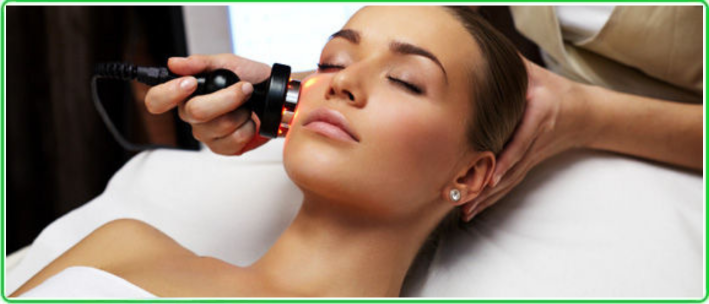
Modern aesthetic medicine offers advanced non-surgical skin tightening solutions, and RF lifting of the face and neck is one of the most effective and popular procedures in Dubai. Radiofrequency (RF) technology stimulates natural collagen and elastin production, improving skin firmness without needles or surgery.

At KindCare Medical Center Dubai, RF face lifting and RF neck tightening are performed using certified medical devices. Treatment parameters are always customized to the patient’s skin condition, age, and aesthetic goals, ensuring safe and visible results.

How RF Lifting Works

RF lifting uses controlled radiofrequency energy to heat the deeper layers of the skin:

  • RF waves penetrate 1.5–4 mm into the dermis and subcutaneous tissue without damaging the epidermis.
  • Thermal stimulation activates fibroblasts, boosting the production of collagen and elastin.
  • Skin fibers contract, resulting in immediate tightening and improved texture.

A noticeable lifting effect can be felt after the first RF session, while the full rejuvenation result develops gradually over 4–6 weeks as new collagen forms.

RF Lifting vs Laser Treatments

Unlike laser skin tightening, RF lifting does not damage the surface of the skin. This makes it:

  • suitable for all skin types and tones,
  • safe to perform year-round, even in Dubai’s sunny climate,
  • associated with minimal downtime and no visible peeling or redness.

Patients can return to daily activities immediately after the procedure.

Key Benefits of RF Face and Neck Lifting

  • Non-invasive and virtually painless procedure
  • Visible tightening of the jawline, cheeks, and neck
  • Reduction of skin laxity and fine lines
  • Improvement in skin density and elasticity
  • Safe alternative to surgical facelift
  • Ideal for patients seeking natural-looking rejuvenation

RF lifting is especially effective for early signs of aging, sagging skin, and loss of firmness in the lower face and neck.

Who Is RF Lifting Suitable For?

RF skin tightening is recommended for both women and men who want to improve facial contours, prevent aging changes, or enhance skin quality without injections or surgery. It can also be combined with other aesthetic treatments for enhanced results.

RF Lifting at KindCare Medical Center Dubai

At KindCare Medical Center, RF lifting procedures are performed by experienced beauty therapist Lyudmila, with more than 7 years of professional experience in aesthetic treatments. Each session includes:

  • skin assessment and consultation,
  • individualized treatment settings,
  • safe and comfortable procedure,
  • post-treatment skincare recommendations.

Conclusion

RF face and neck lifting in Dubai is an effective, safe, and scientifically proven method to restore skin firmness and achieve a youthful appearance without downtime. When performed by professionals using certified equipment, RF technology delivers natural and long-lasting results.

 Book your RF lifting treatment at KindCare Medical Center Dubai and trust your skin rejuvenation to an experienced specialist — for visible lifting, smoother skin, and renewed confidence.

recent articles

Safe Acne Treatment for Teenagers

Safe Acne Treatment for Teenagers Teenage Acne Treatment in Dubai | Pediatric Dermatologist at KindCare Medical Center Teenage acne is one of the most common skin conditions during puberty. Hormonal...

Psoriasis in Children: Signs, Diagnosis and Modern Treatment Options

Psoriasis in Children: Signs, Diagnosis and Modern Treatment Options Pediatric Dermatologist in Dubai | Psoriasis Treatment for Children at KindCare Medical Center Psoriasis in children is a chronic...

FIRST AID FOR NOSEBLEEDS: WHAT EVERYONE SHOULD KNOW

FIRST AID FOR NOSEBLEEDS: WHAT EVERYONE SHOULD KNOW A nosebleed (epistaxis) is one of the most common reasons for visiting an otorhinolaryngologist (ENT specialist). According to the World Health...

INHALATION THERAPY FOR ENT DISEASES: BENEFITS AND COMMON MISTAKES

INHALATION THERAPY FOR ENT DISEASES: BENEFITS AND COMMON MISTAKES Respiratory diseases of the upper airways can be effectively managed with nebulizer inhalation therapy, as nebulizers allow controlled...
heat rash in newborns

Heat Rash (Prickly Heat) in Newborns: How to Treat It and When to See a Doctor

Heat Rash (Prickly Heat) in Newborns: How to Treat It and When to See a Doctor

heat rash in newborns

Heat rash is one of the most common skin concerns in newborns, especially in Dubai’s hot climate. A baby’s delicate skin is extremely sensitive to overheating, moisture, and poor ventilation. When sweat cannot evaporate properly, the sweat glands become irritated, leading to small red bumps, redness, and discomfort. Although heat rash itself is not dangerous, improper care may cause inflammation and worsen the baby’s condition.

How to Recognize Heat Rash

According to Dr. Kristina Evdoshenko, PhD, dermatologist at KindCare Medical Center (Dubai), heat rash appears as tiny pink or clear blisters. They are most commonly found:

  • in skin folds,
  • under the diaper area,
  • on the neck, back, and chest.

These areas may look moist, irritated, and slightly swollen. Without proper care, the rash can become inflamed, causing itching, burning, fussiness, and sleep disturbances.

Main Causes

  • Overheating due to heavy or synthetic clothing
  • Poor ventilation and high room temperature
  • Excessive humidity and sweating
  • Using thick creams and oils that block the skin’s ability to breathe

Treatment and Prevention

The main goal is to prevent overheating and create a comfortable environment for the baby’s skin.

  1. Dress your baby in lightweight, breathable clothing made from natural fabrics.
  2. Keep the room temperature between 22–24°C (71–75°F).
  3. Give regular air baths and ventilate the room frequently.
  4. After bathing, gently pat the skin dry without rubbing.
  5. Use baby creams containing zinc, panthenol, or aloe vera, which help soothe and dry the irritated skin.

If needed, a doctor may recommend mild antiseptic solutions or medicated powders to reduce inflammation.

When to See a Doctor

Consult a dermatologist if:

  • the rash persists longer than 2–3 days;
  • the skin becomes bright red or painful;
  • you notice pustules or signs of infection;
  • the baby is irritable, scratching, or having trouble sleeping.

It is important to rule out conditions with similar symptoms, such as allergic dermatitis, bacterial infection, or fungal inflammation — all of which require different treatment approaches.

Conclusion

Heat rash is a common and easily manageable condition when proper skincare and prevention are followed. By maintaining a healthy environment and gentle care routine, you can help your newborn stay comfortable and protect their sensitive skin.

 Book an appointment with Dr. Kristina , PhD, at KindCare Medical Center (Dubai) for professional guidance on newborn skincare and early prevention of recurring rashes.

recent articles

Safe Acne Treatment for Teenagers

Safe Acne Treatment for Teenagers Teenage Acne Treatment in Dubai | Pediatric Dermatologist at KindCare Medical Center Teenage acne is one of the most common skin conditions during puberty. Hormonal...

Psoriasis in Children: Signs, Diagnosis and Modern Treatment Options

Psoriasis in Children: Signs, Diagnosis and Modern Treatment Options Pediatric Dermatologist in Dubai | Psoriasis Treatment for Children at KindCare Medical Center Psoriasis in children is a chronic...

FIRST AID FOR NOSEBLEEDS: WHAT EVERYONE SHOULD KNOW

FIRST AID FOR NOSEBLEEDS: WHAT EVERYONE SHOULD KNOW A nosebleed (epistaxis) is one of the most common reasons for visiting an otorhinolaryngologist (ENT specialist). According to the World Health...

INHALATION THERAPY FOR ENT DISEASES: BENEFITS AND COMMON MISTAKES

INHALATION THERAPY FOR ENT DISEASES: BENEFITS AND COMMON MISTAKES Respiratory diseases of the upper airways can be effectively managed with nebulizer inhalation therapy, as nebulizers allow controlled...
atopic dermatitis in children

Atopic Dermatitis in Children: Causes and Effective Treatment

Atopic Dermatitis in Children: Causes and Effective Treatment

atopic dermatitis in children

Atopic dermatitis is one of the most common chronic skin conditions in children. It often appears during infancy and may persist for many years. In Dubai’s hot and dry climate, flare-ups occur more frequently: intense sun exposure, dry air, dust, and constant air conditioning weaken the skin’s natural barrier. However, with timely diagnosis and proper care, atopic dermatitis can be successfully managed, providing children with comfort and long-term relief.

Why Atopic Dermatitis Develops

The primary factor is genetic predisposition. Children with atopic skin naturally have fewer lipids, causing rapid moisture loss and increased sensitivity to external irritants. Even mild triggers—dust, animal hair, fragrances, certain fabrics, harsh water, or specific foods—can provoke inflammation.

Other contributing factors include stress, overheating, frequent bathing with aggressive cleansers, and improper skincare routines.

Without adequate treatment, inflammation may become chronic, leading to persistent itching, cracks, dryness, and a high risk of secondary infections.

How the Condition Manifests

According to Dr. Kristina Evdoshenko, PhD, dermatologist at KindCare Medical Center (Dubai), atopic dermatitis in infants typically appears on the cheeks, arms, and body. In older children, the condition more commonly affects flexural areas—the elbows, behind the knees, the neck, and wrists.

Typical symptoms include: redness, intense itching, dryness, flaking, and small cracks. Over time, the skin becomes thin, reactive—even to water—and is easily infected.

Modern Treatment Approaches

Atopic dermatitis treatment is always personalized and includes several key components:

  1. Restoring the skin barrier — regular use of emollients and ceramide-based creams to retain moisture and strengthen the skin.
  2. Medical therapy — safe anti-inflammatory and antihistamine medications tailored to the child’s condition.
  3. Trigger elimination — selecting hypoallergenic foods, soft natural fabrics, and maintaining an appropriate indoor environment.
  4. Advanced device-based therapy — phototherapy and BBL treatments help reduce inflammation, relieve itching, and extend remission periods.

Prevention and Daily Care

To reduce flare-ups, parents should:

  • maintain indoor humidity between 40–60%;
  • avoid overheating and synthetic clothing;
  • use fragrance-free, child-safe cleansers;
  • apply moisturizer immediately after bathing while the skin is still damp.

Conclusion

Atopic dermatitis is not a life sentence. With proper care, trigger control, and expert supervision, the condition can be effectively managed, allowing children to live comfortably and actively.

 Book an appointment with Dr. Kristina Evdoshenko, PhD, at KindCare Medical Center (Dubai) for accurate diagnosis and a personalized treatment plan tailored to your child’s needs.

recent articles

Safe Acne Treatment for Teenagers

Safe Acne Treatment for Teenagers Teenage Acne Treatment in Dubai | Pediatric Dermatologist at KindCare Medical Center Teenage acne is one of the most common skin conditions during puberty. Hormonal...

Psoriasis in Children: Signs, Diagnosis and Modern Treatment Options

Psoriasis in Children: Signs, Diagnosis and Modern Treatment Options Pediatric Dermatologist in Dubai | Psoriasis Treatment for Children at KindCare Medical Center Psoriasis in children is a chronic...

FIRST AID FOR NOSEBLEEDS: WHAT EVERYONE SHOULD KNOW

FIRST AID FOR NOSEBLEEDS: WHAT EVERYONE SHOULD KNOW A nosebleed (epistaxis) is one of the most common reasons for visiting an otorhinolaryngologist (ENT specialist). According to the World Health...

INHALATION THERAPY FOR ENT DISEASES: BENEFITS AND COMMON MISTAKES

INHALATION THERAPY FOR ENT DISEASES: BENEFITS AND COMMON MISTAKES Respiratory diseases of the upper airways can be effectively managed with nebulizer inhalation therapy, as nebulizers allow controlled...