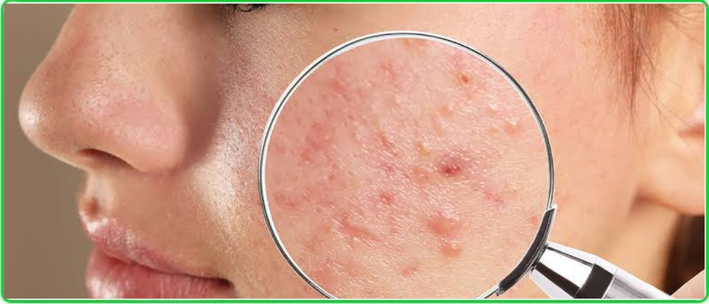
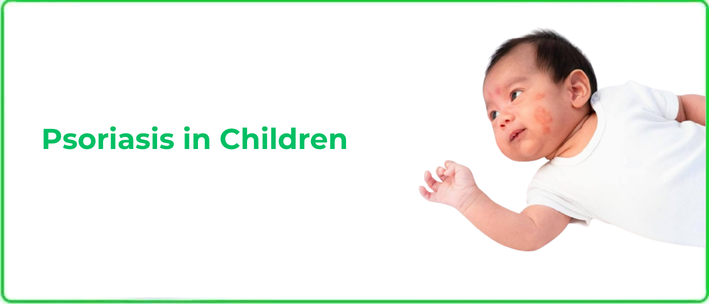
Atopic dermatitis is one of the most common chronic skin conditions in children. It often appears during infancy and may persist for many years. In Dubai’s hot and dry climate, flare-ups occur more frequently: intense sun exposure, dry air, dust, and constant air conditioning weaken the skin’s natural barrier. However, with timely diagnosis and proper care, atopic dermatitis can be successfully managed, providing children with comfort and long-term relief.
Why Atopic Dermatitis Develops
The primary factor is genetic predisposition. Children with atopic skin naturally have fewer lipids, causing rapid moisture loss and increased sensitivity to external irritants. Even mild triggers—dust, animal hair, fragrances, certain fabrics, harsh water, or specific foods—can provoke inflammation.
Other contributing factors include stress, overheating, frequent bathing with aggressive cleansers, and improper skincare routines.
Without adequate treatment, inflammation may become chronic, leading to persistent itching, cracks, dryness, and a high risk of secondary infections.
How the Condition Manifests
According to Dr. Kristina Evdoshenko, PhD, dermatologist at KindCare Medical Center (Dubai), atopic dermatitis in infants typically appears on the cheeks, arms, and body. In older children, the condition more commonly affects flexural areas—the elbows, behind the knees, the neck, and wrists.
Typical symptoms include: redness, intense itching, dryness, flaking, and small cracks. Over time, the skin becomes thin, reactive—even to water—and is easily infected.
Modern Treatment Approaches
Atopic dermatitis treatment is always personalized and includes several key components:
- Restoring the skin barrier — regular use of emollients and ceramide-based creams to retain moisture and strengthen the skin.
- Medical therapy — safe anti-inflammatory and antihistamine medications tailored to the child’s condition.
- Trigger elimination — selecting hypoallergenic foods, soft natural fabrics, and maintaining an appropriate indoor environment.
- Advanced device-based therapy — phototherapy and BBL treatments help reduce inflammation, relieve itching, and extend remission periods.
Prevention and Daily Care
To reduce flare-ups, parents should:
- maintain indoor humidity between 40–60%;
- avoid overheating and synthetic clothing;
- use fragrance-free, child-safe cleansers;
- apply moisturizer immediately after bathing while the skin is still damp.
Conclusion
Atopic dermatitis is not a life sentence. With proper care, trigger control, and expert supervision, the condition can be effectively managed, allowing children to live comfortably and actively.
Book an appointment with Dr. Kristina Evdoshenko, PhD, at KindCare Medical Center (Dubai) for accurate diagnosis and a personalized treatment plan tailored to your child’s needs.