Teenage Acne Treatment in Dubai | Pediatric Dermatologist at KindCare Medical Center
Teenage acne is one of the most common skin conditions during puberty. Hormonal changes stimulate the sebaceous glands, which can lead to clogged pores, blackheads, whiteheads, inflammatory breakouts and increased skin oiliness. Moderate or severe acne may also result in post-inflammatory pigmentation and acne scars and can significantly affect a teenager’s confidence and emotional well-being.
In Dubai, additional factors such as heat, sweating, intense sun exposure, dust and the use of heavy skincare or cosmetic products may contribute to irritation and breakouts.
At KindCare Medical Center in Dubai, teenage acne is treated by Dr. Yulia Zykova, Dermatologist, Venereologist and Trichologist with more than 28 years of clinical experience, who treats children from birth as well as adult patients.
Why Does Teenage Acne Develop?
Acne is not simply a cosmetic problem. It is a chronic inflammatory condition involving the sebaceous glands and hair follicles.
Several factors contribute to the development of acne:
- increased sebum production;
- blocked pores caused by abnormal skin cell turnover;
- activity of Cutibacterium acnes;
- inflammation;
- hormonal changes during puberty;
- genetic predisposition.
Stress, certain cosmetic products and inappropriate skincare routines may also aggravate acne.
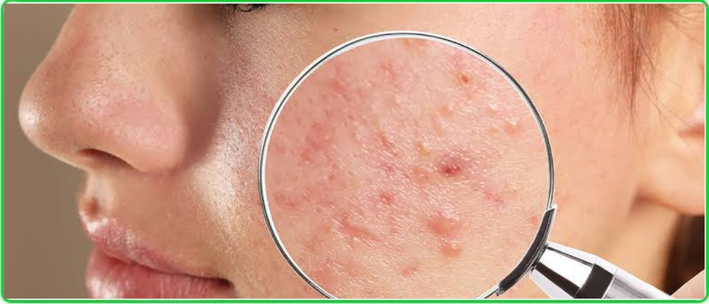
What Does Teenage Acne Look Like?
Acne can appear in different forms, including:
- blackheads (open comedones);
- whiteheads (closed comedones);
- inflammatory papules;
- pustules;
- deep and painful nodules;
- dark or red marks after inflammation;
- acne scars.
Breakouts most commonly affect the face but may also appear on the chest, shoulders and back.
Starting appropriate acne treatment for teenagers early can significantly reduce the risk of persistent pigmentation and permanent acne scarring.
Common Mistakes in Teenage Acne Treatment
One of the most common mistakes is trying to “dry out” acne as much as possible.
Harsh cleansers, alcohol-based toners, aggressive scrubs and frequent peeling can damage the skin barrier, increase irritation and make acne more difficult to manage.
Teenagers should also avoid:
- squeezing or picking pimples;
- combining multiple strong acne products without medical advice;
- constantly changing skincare products;
- using topical or oral antibiotics without a dermatologist’s recommendation;
- applying strong acids or home chemical peels;
- skipping daily sun protection.
Squeezing deep inflammatory lesions is particularly risky because it may increase the likelihood of acne scars and post-inflammatory hyperpigmentation.
Modern Acne Treatment for Teenagers
Treatment is selected according to the type and severity of acne, the teenager’s age, skin sensitivity and the risk of scarring.
- Medical Acne Treatment
For mild to moderate acne, a dermatologist may recommend topical treatments containing retinoids, benzoyl peroxide, azelaic acid or other appropriate medications.
More significant inflammatory acne may require additional treatment. Oral medications are considered only when clinically indicated and should be prescribed and monitored by a dermatologist.
The aim is to control inflammation, prevent new breakouts and reduce the risk of permanent scarring.
- Professional Dermatology Procedures
Selected professional procedures may complement medical acne treatment when appropriate.
Depending on the condition of the skin, a dermatologist may consider:
- professional facial cleansing;
- medical chemical peels;
- selected light or laser-based treatments;
- procedures for post-inflammatory pigmentation;
- acne scar treatments.
Professional procedures should be selected according to the patient’s age, skin type and current stage of acne.
It is important to understand that laser and aesthetic procedures do not replace appropriate medical treatment for active acne.
Acne Scar and Post-Acne Treatment
Even after active acne improves, teenagers may be left with red or brown marks, uneven skin texture or scars.
Once active inflammation is adequately controlled, the dermatologist can create a personalised post-acne treatment plan.
Depending on the type of skin changes, treatment may include chemical peels, BBL, selected laser technologies or other dermatological procedures.
The most appropriate option depends on the type of acne scars, pigmentation, skin phototype and individual characteristics.
Daily Skincare for Teenage Acne
A good teenage skincare routine does not need to be complicated.
A basic routine may include:
- gentle cleansing morning and evening;
- a non-comedogenic moisturiser;
- prescribed acne treatment;
- daily broad-spectrum sunscreen;
- skincare products appropriate for oily or acne-prone skin.
In Dubai, SPF 50+ sun protection is particularly important. Intense sun exposure can make post-inflammatory pigmentation darker and cause acne marks to remain visible for longer.
Does Diet Affect Teenage Acne?
There is no single “acne diet” that works for every teenager. However, some studies suggest that a high-glycaemic diet may be associated with more severe acne in certain individuals.
Instead of restrictive diets, teenagers should generally follow a balanced and varied diet. If parents notice a consistent relationship between specific foods and worsening breakouts, this can be discussed with a dermatologist.
When Should a Teenager See a Dermatologist?
A consultation with a dermatologist in Dubai is particularly recommended when:
- acne is becoming progressively worse;
- deep or painful nodules appear;
- acne scars begin to develop;
- persistent pigmentation remains after breakouts;
- over-the-counter products are not helping;
- acne affects the chest or back;
- the teenager feels embarrassed, anxious or distressed because of their skin.
Parents should not simply wait for a teenager to “grow out of acne.” Early professional treatment can significantly reduce the risk of long-term skin changes.
Teenage Acne Treatment at KindCare Medical Center in Dubai
At KindCare Medical Center, Dr. Yulia Zykova provides diagnosis and personalised treatment for teenage acne based on the patient’s age, skin type, severity of inflammation and individual needs.
A treatment programme may combine medical acne therapy, professional skincare, post-acne prevention and modern treatments for pigmentation and acne scars.
The goal is not simply to temporarily reduce breakouts but to control inflammation, protect the skin barrier and prevent permanent acne marks and scarring.
Book a consultation with Dr. Yulia Zykova at KindCare Medical Center in Dubai to receive a safe, personalised treatment plan for teenage acne and the prevention of post-acne pigmentation and scars.