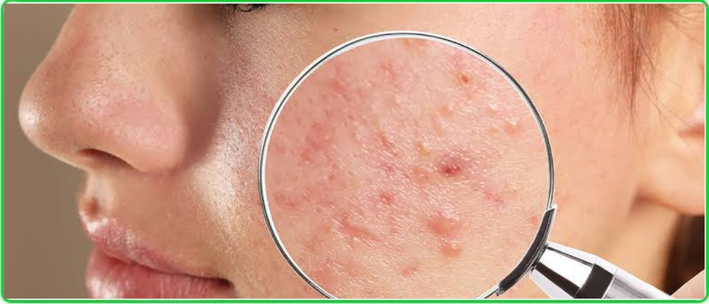
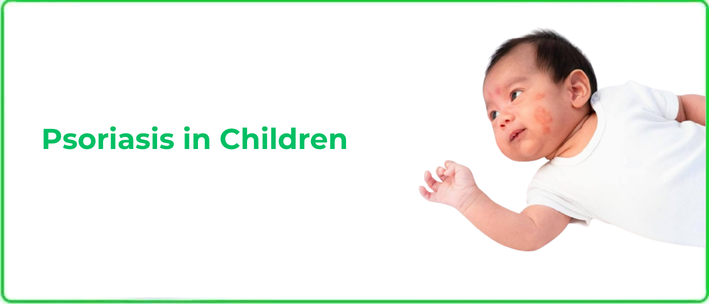
Heat rash is one of the most common skin concerns in newborns, especially in Dubai’s hot climate. A baby’s delicate skin is extremely sensitive to overheating, moisture, and poor ventilation. When sweat cannot evaporate properly, the sweat glands become irritated, leading to small red bumps, redness, and discomfort. Although heat rash itself is not dangerous, improper care may cause inflammation and worsen the baby’s condition.
How to Recognize Heat Rash
According to Dr. Kristina Evdoshenko, PhD, dermatologist at KindCare Medical Center (Dubai), heat rash appears as tiny pink or clear blisters. They are most commonly found:
- in skin folds,
- under the diaper area,
- on the neck, back, and chest.
These areas may look moist, irritated, and slightly swollen. Without proper care, the rash can become inflamed, causing itching, burning, fussiness, and sleep disturbances.
Main Causes
- Overheating due to heavy or synthetic clothing
- Poor ventilation and high room temperature
- Excessive humidity and sweating
- Using thick creams and oils that block the skin’s ability to breathe
Treatment and Prevention
The main goal is to prevent overheating and create a comfortable environment for the baby’s skin.
- Dress your baby in lightweight, breathable clothing made from natural fabrics.
- Keep the room temperature between 22–24°C (71–75°F).
- Give regular air baths and ventilate the room frequently.
- After bathing, gently pat the skin dry without rubbing.
- Use baby creams containing zinc, panthenol, or aloe vera, which help soothe and dry the irritated skin.
If needed, a doctor may recommend mild antiseptic solutions or medicated powders to reduce inflammation.
When to See a Doctor
Consult a dermatologist if:
- the rash persists longer than 2–3 days;
- the skin becomes bright red or painful;
- you notice pustules or signs of infection;
- the baby is irritable, scratching, or having trouble sleeping.
It is important to rule out conditions with similar symptoms, such as allergic dermatitis, bacterial infection, or fungal inflammation — all of which require different treatment approaches.
Conclusion
Heat rash is a common and easily manageable condition when proper skincare and prevention are followed. By maintaining a healthy environment and gentle care routine, you can help your newborn stay comfortable and protect their sensitive skin.
Book an appointment with Dr. Kristina , PhD, at KindCare Medical Center (Dubai) for professional guidance on newborn skincare and early prevention of recurring rashes.