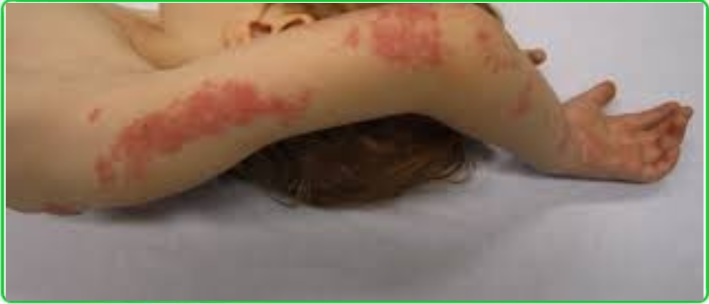
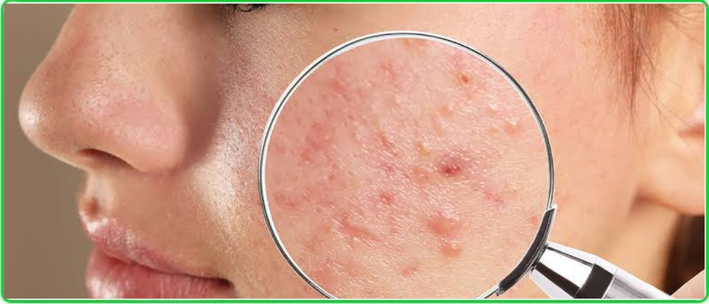
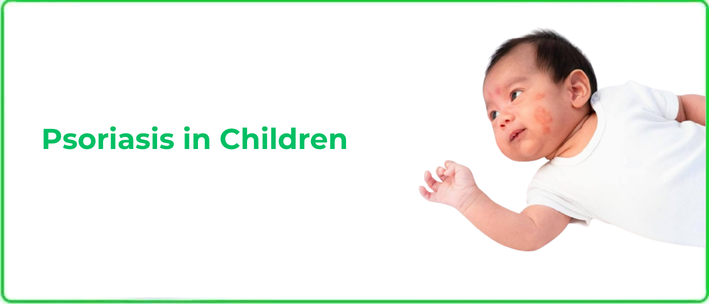
The appearance of a rash in a child is one of the most common reasons for parental concern. In Dubai’s international environment—where children from different countries attend schools and nurseries—the risk of viral infections is higher. Chickenpox, measles, and rubella may look similar at first, but they require different approaches to treatment and isolation. Correct identification of the rash helps prevent complications and protects other children from infection.
Why Viral Rashes Occur
Most viral infections are spread through airborne droplets. The incubation period can range from a few days to three weeks. Early symptoms often resemble a common cold: fever, runny nose, weakness, irritability.
Only after some time does a rash appear, and its pattern and location help the doctor identify which virus is responsible.
How to Distinguish the Most Common Viral Rashes
- Chickenpox (Varicella)
Begins with mild fever and itching. The skin develops small fluid-filled blisters — clear, round “dew drops.” They quickly rupture, dry out, and form crusts. Chickenpox rash appears in waves, so new blisters and crusted lesions coexist. - Measles
A more severe infection, accompanied by high fever, dry barking cough, conjunctivitis, and sensitivity to light. The rash is bright red and blotchy. It first appears on the face and behind the ears, then spreads down the body. - Rubella (German measles)
Presents as fine pink spots with minimal itching. Swollen lymph nodes in the neck and behind the ears are common. Fever is mild. Rubella is usually mild in children but dangerous for pregnant women due to the risk of congenital abnormalities.
Expert’s Comment
According to Dr. Kristina Evdoshenko, PhD, dermatologist at KindCare Medical Center (Dubai):
“Viral rashes often imitate allergic or bacterial conditions. Only an in-person examination allows us to determine the true cause. We assess the appearance of the rash, the child’s general condition, fever, mucous membranes, and the presence of itching. When needed, we perform laboratory tests to confirm the diagnosis.”
When to See a Doctor
Seek immediate medical attention if:
- the child has a high fever;
- the rash spreads rapidly;
- signs of intoxication appear (weakness, vomiting, refusal to eat);
- the rash becomes bleeding or develops pustules;
- the child is unusually sleepy or lethargic.
Important: using corticosteroid creams without medical supervision can worsen viral infections.
Conclusion
Viral rashes require careful monitoring and professional evaluation. At the first signs of illness, the child should be isolated and examined by a specialist to prevent complications and protect others.
Book an appointment with Dr. Kristina Evdoshenko, PhD, at KindCare Medical Center (Dubai) for accurate diagnosis and safe management of viral skin infections in children.