Pediatrician in Dubai | Treatment of Insect and Animal Bites at KindCare Medical Center
Insect and animal bites are common in children, particularly in the warm climate of the UAE. Mosquitoes, wasps, bees, and other insects usually cause mild local skin reactions. However, some children may develop a severe allergic reaction, significant swelling, or a secondary infection at the bite site.
Animal bites and scratches require particular attention. In addition to skin and soft-tissue injuries, they may carry a risk of bacterial infection, tetanus, and, in certain situations, rabies. Parents should know how to provide appropriate first aid and when their child needs urgent medical assessment.
At KindCare Medical Center in Dubai, children are assessed by Dr. Irina Ivanova, Pediatrician with more than 30 years of clinical experience. Dr. Ivanova evaluates the child’s general condition and the type of injury and determines whether additional treatment or preventive measures are required.
Insect Bites in Children
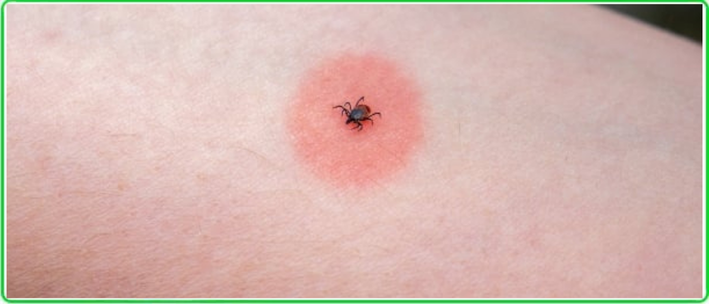
A typical local reaction to an insect bite or sting may include:
- Redness
- Mild swelling
- Itching
- Tenderness or pain
- A small rash or blister
The severity of the reaction depends on the type of insect and the child’s individual sensitivity.
First Aid for an Insect Bite
If your child is otherwise well:
- Gently wash the affected area with soap and water.
- Apply a cold compress for approximately 10–20 minutes, with a cloth between the cold object and the skin.
- Try to prevent scratching, as broken skin can increase the risk of secondary infection.
- If itching is significant, consult a doctor about an age-appropriate antihistamine or topical treatment.
- Monitor your child’s general condition and the appearance of the affected area.
If a bee stinger remains in the skin, it should be removed as soon as possible while avoiding unnecessary trauma to the surrounding tissue.
When Is Emergency Medical Care Required?
Seek immediate emergency medical attention if your child develops:
- Difficulty breathing or wheezing
- Swelling of the lips, tongue, face, or throat
- Widespread hives
- Severe weakness, dizziness, or loss of consciousness
- Repeated vomiting
- Rapid deterioration in general condition
These symptoms may indicate anaphylaxis, a severe and potentially life-threatening allergic reaction that requires immediate emergency treatment.
Medical assessment is also recommended after multiple bee or wasp stings, bites or stings around the mouth or eyes, or if redness, swelling, and pain continue to worsen.
Animal Bites: Why Can They Be Dangerous?
Even a small bite or scratch can allow bacteria to enter the skin and cause infection.
Bites from dogs, cats, and wild animals may result in:
- Skin and soft-tissue injuries
- Bacterial wound infections
- Damage to tendons, nerves, or joints in deeper wounds
- Risk of tetanus
- Potential exposure to rabies
Rabies is a fatal viral disease once clinical symptoms develop, but it can be prevented with prompt and appropriate post-exposure prophylaxis. For this reason, parents should never wait for symptoms to appear after a potentially risky exposure.
What Should You Do If an Animal Bites Your Child?
- Immediately wash and flush the wound thoroughly with soap and running water for approximately 15 minutes.
- If the wound is bleeding, apply gentle pressure with clean or sterile gauze.
- Seek medical assessment to evaluate the wound and risk of infection.
- Tell the doctor what type of animal was involved, whether it was a pet, stray, or wild animal, and whether its vaccination status is known.
- Do not attempt to close a deep wound yourself or give antibiotics without medical advice.
Prompt medical evaluation is particularly important following contact with a stray, wild, or unknown animal, or when the animal’s vaccination status cannot be confirmed.
Is Vaccination Required After an Animal Bite?
The appropriate treatment is determined individually according to the type of exposure, the animal involved, the condition of the wound, the child’s vaccination history, and the epidemiological risk.
After an animal bite, a doctor may need to assess the need for:
- Rabies post-exposure prophylaxis
- Tetanus vaccination or booster
- Immunoglobulin in specific situations
- Antibiotic treatment when there is a significant risk of bacterial infection
Decisions regarding rabies post-exposure prophylaxis should be made by qualified healthcare professionals according to current medical recommendations and local UAE protocols.
How to Prevent Insect and Animal Bites in the UAE
Parents can reduce the risk by following several simple precautions:
- Do not allow children to approach stray or wild animals.
- Teach children not to touch or feed unfamiliar dogs and cats.
- Use age-appropriate insect repellents.
- Choose protective clothing in areas with large numbers of insects.
- Use mosquito nets for babies when appropriate.
- Do not apply insect repellent to a young child’s hands, irritated or damaged skin, or around the eyes and mouth.
Pediatric Care at KindCare Medical Center
At KindCare Medical Center in Dubai, parents can seek professional medical assessment following an insect or animal bite. Dr. Irina Ivanova, Pediatrician with more than 30 years of clinical experience, can examine the child, assess the severity of an allergic reaction or wound, and determine the appropriate next steps.
Depending on the clinical situation, treatment may include wound care, medication, tetanus prevention, or referral for rabies post-exposure prophylaxis in accordance with UAE requirements.
Protect Your Child After an Insect or Animal Bite
Most insect bites in children resolve without serious complications, but a severe allergic reaction requires immediate emergency care. Any potentially dangerous animal bite should be properly cleaned and medically assessed for the risk of infection, tetanus, and rabies.
Book an appointment with Dr. Irina Ivanova at KindCare Medical Center in Dubai if your child has been bitten or scratched by an insect or animal and requires professional assessment, treatment, or advice on further prevention.