Pediatric Dermatologist in Dubai | Psoriasis Treatment for Children at KindCare Medical Center
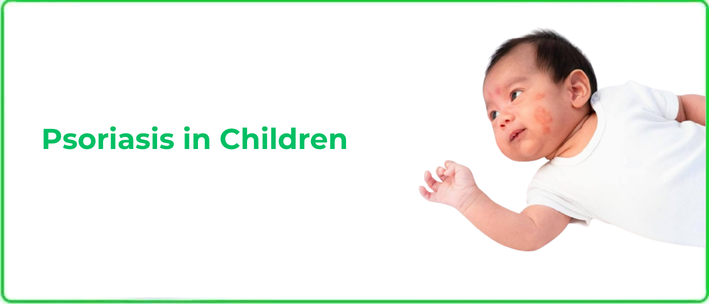
Psoriasis in children is a chronic immune-mediated skin condition that can develop at any age. In addition to physical symptoms such as redness, scaling, dryness and itching, psoriasis may significantly affect a child’s emotional well-being, confidence, participation in sports and social interaction.
In Dubai, environmental factors such as dry air conditioning, heat, sweating, frequent swimming and sudden temperature changes between outdoor and indoor environments may contribute to skin dryness and irritation. These factors do not cause psoriasis, but they may aggravate symptoms in some children.
At KindCare Medical Center in Dubai, pediatric and adult skin conditions are diagnosed and treated by Dr. Yulia Zykova, Dermatologist, Venereologist and Trichologist with more than 28 years of clinical experience, who sees children from birth as well as adult patients.
What Causes Psoriasis in Children?
Psoriasis is not an infection and is not contagious. It develops as a result of a combination of genetic predisposition and changes in immune system activity, leading to inflammation and an accelerated turnover of skin cells.
Common psoriasis triggers in children may include:
- upper respiratory infections, including streptococcal throat infections;
- emotional stress;
- skin injuries, scratching or irritation;
- certain medications;
- excessive skin dryness;
- changes in climate and environmental conditions.
The development of new psoriasis lesions in areas where the skin has been scratched or injured is known as the Koebner phenomenon.
What Does Psoriasis Look Like in Children?
Typical psoriasis may appear as well-defined red or pink patches or plaques covered with scaling. However, psoriasis in children does not always look exactly the same as it does in adults, which can make self-diagnosis difficult.
Commonly affected areas include:
- elbows and knees;
- scalp;
- behind the ears;
- trunk;
- face;
- skin folds;
- palms and soles.
Children may also experience itching, dryness, skin sensitivity, painful cracks or discomfort.
There are several forms of psoriasis, including plaque psoriasis, guttate psoriasis, inverse psoriasis and pustular psoriasis. An accurate diagnosis should therefore be made by a dermatologist.
Scalp Psoriasis in Children
Scalp psoriasis may cause persistent scaling, redness and itching. Parents sometimes mistake it for dandruff or seborrheic dermatitis.
If scaling is persistent, thick plaques develop, or redness extends beyond the hairline, it is advisable to consult a pediatric dermatologist in Dubai for an accurate diagnosis.
Diagnosis of Childhood Psoriasis at KindCare Medical Center
In many cases, psoriasis can be diagnosed through a detailed examination of the skin and medical history.
Dr. Yulia Zykova evaluates the appearance and distribution of the lesions, the condition of the scalp and nails, family history and possible triggers.
It is important to differentiate psoriasis from other common childhood skin conditions, including:
- atopic dermatitis;
- seborrheic dermatitis;
- contact dermatitis;
- fungal skin infections;
- certain bacterial skin conditions.
Additional tests or consultations with other specialists may be recommended when clinically indicated.
Modern Psoriasis Treatment for Children
Psoriasis treatment in children is always individualised according to the child’s age, type of psoriasis, severity, affected body areas and impact on quality of life.
- Daily Skin Care
Regular use of moisturisers and emollients can help restore the skin barrier and reduce dryness, scaling and discomfort.
Gentle cleansers without harsh ingredients or unnecessary fragrances are generally preferable for sensitive skin.
- Topical Treatment
Depending on the diagnosis and severity, a dermatologist may prescribe topical anti-inflammatory treatments, keratolytic agents or other medications appropriate for the child’s age and the affected area.
Extra caution is required when treating sensitive areas such as the face and skin folds.
- Phototherapy
For more widespread psoriasis, medical phototherapy, such as narrowband UVB therapy, may be considered when appropriate.
Treatment should be performed according to medical indications and under specialist supervision.
- Systemic and Biologic Treatment
Moderate-to-severe psoriasis that cannot be adequately controlled with topical therapy may require systemic treatment.
For selected pediatric patients, modern biologic therapies approved for specific age groups may also be considered. These treatments require appropriate medical assessment, monitoring and follow-up.
Can BBL, MOXI or Cosmetic Lasers Treat Childhood Psoriasis?
BBL, MOXI and cosmetic fractional lasers are not standard treatments for psoriasis in children. Skin trauma during active psoriasis may potentially trigger new lesions through the Koebner phenomenon.
For this reason, any laser or energy-based procedure in a child with psoriasis should only be considered by a dermatologist when there is a specific medical indication.
Lifestyle and Skin Care for Children With Psoriasis
Good daily habits can help reduce irritation and support the skin barrier. Parents should encourage children to:
- moisturise the skin regularly;
- avoid scratching and unnecessary skin trauma;
- wear comfortable, breathable clothing;
- avoid excessively hot showers;
- use appropriate sun protection;
- maintain healthy sleep and physical activity;
- follow the dermatologist’s treatment plan even when symptoms improve.
In Dubai, additional attention may be needed after swimming and after spending long periods in strongly air-conditioned environments.
Emotional Support for Children With Psoriasis
Visible skin conditions can affect a child’s confidence, particularly during school age and adolescence. Some children may feel embarrassed about their skin or avoid sports and social activities.
It is important to explain that psoriasis is not contagious and is not caused by poor hygiene. When psoriasis significantly affects emotional well-being or daily life, additional psychological support may also be beneficial.
When Should You See a Dermatologist?
A medical consultation is recommended if the rash spreads rapidly, becomes painful or severely itchy, cracks develop, signs of infection appear, or previously effective treatment no longer controls the symptoms.
Parents should also inform the doctor if a child with psoriasis develops joint pain, swelling or stiffness, as psoriasis can occasionally be associated with inflammatory joint disease.
Pediatric Psoriasis Treatment at KindCare Medical Center in Dubai
Psoriasis is a chronic condition, but modern dermatology offers effective ways to control symptoms, reduce flare-ups and maintain a child’s quality of life.
Book a consultation with Dr. Yulia Zykova at KindCare Medical Center in Dubai if your child has persistent redness, scaling, itching or suspected psoriasis. Early diagnosis and an individualised treatment plan can help control the condition and support healthy skin throughout childhood.