chronic headache

Chronic Headache: What Lies Behind the Symptom

Chronic Headache: What Lies Behind the Symptom

chronic headache

Introduction
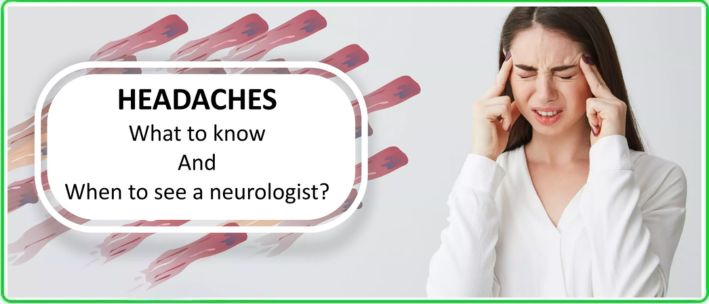
Headache is one of the most common neurological complaints. However, when the pain becomes frequent and interferes with daily life, it’s no longer a simple sign of fatigue. Chronic headache may indicate an underlying condition — from migraine or cervical spine disorders to vascular or neurological diseases.
At KindCare Medical Center (Dubai), experienced neurologists perform detailed diagnostics to determine the exact cause of the pain and create an effective, individualized treatment plan aimed at long-term relief and prevention of recurrence.

Why Headache Becomes Chronic
If headache occurs more than 15 days per month, it is considered chronic. The causes vary and may include:
Migraine — pulsating pain, often accompanied by nausea, sensitivity to light, and sound.
Tension-type headache — typically caused by stress, fatigue, or long hours at the computer.
Cervical osteochondrosis — compression of nerves and blood vessels in the neck leading to pain and dizziness.
Vascular disorders or hypertension.
Hormonal imbalance, sleep disturbances, anemia, or vitamin deficiency.

Diagnostics at KindCare Medical Center
Diagnosis begins with a full neurological examination and laboratory testing. When needed, doctors perform MRI or CT scans of the brain, and ultrasound of the neck and cerebral vessels to identify the true source of pain — vascular, muscular, or neurological.
Additional consultations with related specialists such as an ophthalmologist, cardiologist, or endocrinologist may also be recommended.

Treatment Methods
According to neurologists at KindCare Medical Center, therapy is always individualized and may include:
• Medications to relieve pain and inflammation;
• Vitamin B complex and drugs that improve cerebral circulation;
• Physiotherapy, massage, and posture correction;
• Advanced treatments such as botulinum toxin therapy, IV infusion therapy, and neuromodulation for migraine prevention.
Equally important is lifestyle adjustment — proper hydration, balanced nutrition, sufficient rest, and stress management.

When to See a Neurologist
Seek immediate medical attention if:
• The pain becomes severe or sudden;
• It is accompanied by vision or speech disturbances, weakness, or numbness;
• Painkillers no longer help.

Conclusion
Chronic headache is not a condition to ignore — it’s the body’s way of signaling an underlying problem.
Schedule a consultation with a neurologist at KindCare Medical Center (Dubai) to receive accurate diagnostics, effective treatment, and lasting relief from chronic headaches.

Authors

recent articles

Vaccinations Before Nursery and School in Dubai: How to Prepare Properly

Vaccinations Before Nursery and School in Dubai: How to Prepare Properly Why It Matters When enrolling a child in Nursery, Pre-KG, KG, or Primary School in Dubai, parents must provide an up-to-date...

RF Eye Treatment: Gentle Tightening of Eyelids and Smoothing Crow’s Feet Without Blepharoplasty

RF Eye Treatment: Gentle Tightening of Eyelids and Smoothing Crow’s Feet Without Blepharoplasty The skin around the eyes is the thinnest and most delicate area of the face. It loses elasticity faster...

Exion RF Microneedling: Micro-Needling Combined with RF for Firmer, Tighter Skin

Exion RF Microneedling: Micro-Needling Combined with RF for Firmer, Tighter Skin If you are looking for an advanced solution to restore skin firmness and elasticity without surgery, Exion RF...

RF Face and Neck Lifting: How Radiofrequency Technology Rejuvenates the Skin

RF Face and Neck Lifting: How Radiofrequency Technology Rejuvenates the Skin Modern aesthetic medicine offers advanced non-surgical skin tightening solutions, and RF lifting of the face and neck is...
Myths about neurology

Myths About Neurology: What Every Patient Should Know

Myths About Neurology: What Every Patient Should Know

Myths about neurology

Introduction
Neurology is surrounded by many misconceptions. Some patients delay visiting a neurologist, relying on online advice or friends’ recommendations. Unfortunately, this often leads to wasted time and more complicated treatment later.
At KindCare Medical Center (Dubai), we aim to dispel the most common myths about neurology and show that modern neurological care is safe, painless, and highly effective.

Myth 1: “You only see a neurologist for serious diseases”

This is one of the biggest misconceptions.
A neurologist doesn’t treat only stroke or epilepsy. Headaches, insomnia, chronic fatigue, dizziness, tinnitus, or delayed speech development in children — all of these are reasons to see a specialist.
Early consultation helps identify the root cause of symptoms and prevent serious complications.

Myth 2: “EEG and other tests are painful or dangerous”

Diagnostic methods such as EEG, quantitative EEG (qEEG or Brain Mapping), MRI, and neuropsychological testing are completely safe and painless.
They don’t expose patients to radiation or discomfort.
On the contrary — these tools give doctors an accurate picture of brain function, allowing for precise and personalized treatment.

Myth 3: “Neurological problems are treated only with pills”

Medication plays an important role, but it’s only part of the therapy.
Modern neurology combines medication, physiotherapy, neurofeedback, magnetic stimulation, cognitive training, and rehabilitation programs.
This comprehensive approach targets the underlying causes, not just symptoms, helping patients recover faster and reduce their need for medication.

Myth 4: “Children outgrow neurological problems”

Parents often believe that speech delay, tics, or attention difficulties will disappear on their own.
However, the nervous system develops most actively in early childhood — and without proper guidance, missed time can’t always be recovered.
Early diagnosis and therapy dramatically improve a child’s chances of healthy development and emotional stability.

Myth 5: “If a diagnosis is made, nothing can be done”

This is far from true.
Today’s neurology offers advanced methods to reduce symptoms, improve cognitive function, and enhance quality of life — even in chronic conditions.
With the right treatment and rehabilitation, the nervous system can adapt and recover its balance.

Conclusion

Neurology is no longer something to fear — it’s one of the most innovative and patient-friendly areas of medicine.
Modern diagnostics such as Brain Mapping (qEEG) and therapies like Neurofeedback and Magnetic Stimulation are safe, non-invasive, and suitable for patients of all ages.
At KindCare Medical Center (Dubai), we take a comprehensive and compassionate approach, helping every patient — from children to adults — restore their neurological health and live an active, balanced life.

recent articles

Vaccinations Before Nursery and School in Dubai: How to Prepare Properly

Vaccinations Before Nursery and School in Dubai: How to Prepare Properly Why It Matters When enrolling a child in Nursery, Pre-KG, KG, or Primary School in Dubai, parents must provide an up-to-date...

RF Eye Treatment: Gentle Tightening of Eyelids and Smoothing Crow’s Feet Without Blepharoplasty

RF Eye Treatment: Gentle Tightening of Eyelids and Smoothing Crow’s Feet Without Blepharoplasty The skin around the eyes is the thinnest and most delicate area of the face. It loses elasticity faster...

Exion RF Microneedling: Micro-Needling Combined with RF for Firmer, Tighter Skin

Exion RF Microneedling: Micro-Needling Combined with RF for Firmer, Tighter Skin If you are looking for an advanced solution to restore skin firmness and elasticity without surgery, Exion RF...

RF Face and Neck Lifting: How Radiofrequency Technology Rejuvenates the Skin

RF Face and Neck Lifting: How Radiofrequency Technology Rejuvenates the Skin Modern aesthetic medicine offers advanced non-surgical skin tightening solutions, and RF lifting of the face and neck is...
neurofeedback, medication

Comprehensive Approach in Neurology: Medication, Physiotherapy and Neurofeedback

Comprehensive Approach in Neurology: Medication, Physiotherapy and Neurofeedback

neurofeedback, medication

Introduction
Modern neurology goes far beyond prescribing medication. Effective treatment requires an integrated approach that addresses all aspects of the nervous system — from biochemical balance to brain function and recovery.
At KindCare Medical Center (Dubai), we combine medication therapy, physiotherapy, and innovative neurorehabilitation techniques such as Neurofeedback and Magnetic Stimulation. This multidisciplinary strategy helps restore neurological function faster, reduce symptoms, and improve the patient’s overall quality of life.

Medication Therapy

Medications play a key role in stabilizing the nervous system and managing neurological symptoms. They help correct neurotransmitter imbalances, relieve pain, and support recovery processes.
• For headaches and migraines, medications are used to relieve pain and prevent recurrence.
• For epilepsy, anticonvulsants help reduce the frequency and intensity of seizures.
• For sleep disturbances or anxiety, mild corrective treatments help balance neural activity without causing dependency.
Each treatment plan is personalized — taking into account the patient’s age, medical history, and overall health condition.

Physiotherapy

Physiotherapy complements medication by enhancing circulation, improving neuromuscular communication, and accelerating recovery.
At KindCare Medical Center, we use advanced, non-invasive physiotherapy methods:
Shockwave therapy (ESWT) — relieves muscle spasms and stimulates tissue regeneration.
Spinal traction therapy — reduces nerve root compression and restores mobility.
Electromyostimulation (EMS) — activates muscles, restoring tone and strength.
Laser therapy — reduces inflammation and accelerates tissue healing.
Ultrasound therapy — improves microcirculation and speeds up recovery at the cellular level.
All procedures are safe, painless, and performed in a relaxing environment — suitable for both adults and children.

Neurofeedback Therapy

Neurofeedback is a cutting-edge, non-invasive method of brain training based on EEG monitoring. The patient receives visual or auditory feedback about their brain activity and learns to regulate it in real time.
This method is proven effective for:
ADHD and speech development delay in children;
anxiety, panic attacks, and sleep disorders;
chronic headaches and migraines;
post-stroke and traumatic brain injury rehabilitation.
Neurofeedback is completely safe, drug-free, and often presented in a game-like format, making it especially comfortable and engaging for children.

Conclusion

A comprehensive approach in neurology allows not only to relieve symptoms but also to restore healthy brain and nerve function.
At KindCare Medical Center (Dubai), we combine medication therapy, physiotherapy, and neurotechnologies — including Neurofeedback and Magnetic Stimulation — to help patients regain focus, energy, and emotional balance.
Our goal is to restore your neurological health with precision, care, and compassion.

recent articles

Vaccinations Before Nursery and School in Dubai: How to Prepare Properly

Vaccinations Before Nursery and School in Dubai: How to Prepare Properly Why It Matters When enrolling a child in Nursery, Pre-KG, KG, or Primary School in Dubai, parents must provide an up-to-date...

RF Eye Treatment: Gentle Tightening of Eyelids and Smoothing Crow’s Feet Without Blepharoplasty

RF Eye Treatment: Gentle Tightening of Eyelids and Smoothing Crow’s Feet Without Blepharoplasty The skin around the eyes is the thinnest and most delicate area of the face. It loses elasticity faster...

Exion RF Microneedling: Micro-Needling Combined with RF for Firmer, Tighter Skin

Exion RF Microneedling: Micro-Needling Combined with RF for Firmer, Tighter Skin If you are looking for an advanced solution to restore skin firmness and elasticity without surgery, Exion RF...

RF Face and Neck Lifting: How Radiofrequency Technology Rejuvenates the Skin

RF Face and Neck Lifting: How Radiofrequency Technology Rejuvenates the Skin Modern aesthetic medicine offers advanced non-surgical skin tightening solutions, and RF lifting of the face and neck is...
modern diagnostic methods in neurology

Modern Diagnostic Methods in Neurology

Modern Diagnostic Methods in Neurology

modern diagnostic methods in neurology

Introduction
Accurate diagnosis is the foundation of effective neurological treatment. Modern medicine offers a wide range of safe, non-invasive methods that allow physicians to assess how the nervous system functions at different levels — from brain activity to peripheral nerves.
At KindCare Medical Center (Dubai), we use advanced technologies to detect even subtle abnormalities and develop individualized treatment plans for every patient.

Electroencephalogram (EEG) and Quantitative EEG (qEEG, Brain Mapping)

The EEG is a classical neurological test that records the brain’s electrical activity. It is used to detect epilepsy, seizures, sleep disorders, headaches, developmental delays in children, and other neurological conditions.

Quantitative EEG (qEEG, or Brain Mapping) represents the next generation of diagnostic technology. In addition to recording brain signals, it includes a computer-based analysis that generates colorful brain activity maps.
This method helps to:
• Identify areas of hyperactivity or reduced function;
• Evaluate the balance between different brainwave rhythms;
• Create personalized protocols for neurofeedback, magnetic stimulation, or pharmacotherapy.

While traditional EEG shows the brain’s general electrical patterns, Brain Mapping provides a detailed “map” that pinpoints the source of imbalance and guides targeted treatment.

MRI (Magnetic Resonance Imaging)

MRI produces high-resolution images of the brain and spinal cord.
It is essential for detecting tumors, strokes, congenital malformations, and inflammatory or degenerative conditions.
Unlike EEG or qEEG, MRI visualizes brain structure rather than function, which is why it is often combined with functional studies for a complete diagnostic picture.

Neuropsychological Testing

This method evaluates cognitive abilities — memory, attention, language, reasoning, and emotional regulation.
It helps determine how neurological changes affect daily functioning.
Neuropsychological testing is particularly useful in cases of developmental delay, dementia, post-stroke rehabilitation, traumatic brain injury, or chronic stress disorders.

Electroneuromyography (ENMG)

ENMG assesses the performance of peripheral nerves and muscles using mild electrical impulses.
The test measures the speed and strength of signal transmission to detect neuropathies, radiculopathies, or muscle weakness.
It is recommended for patients experiencing numbness, tingling, or reduced limb strength.

Conclusion

Modern neurology combines structural and functional diagnostic tools:
EEG and qEEG (Brain Mapping) assess brain activity, MRI evaluates anatomy, neuropsychological testing analyzes cognitive function, and ENMG examines nerve and muscle health.
At KindCare Medical Center (Dubai), all these advanced diagnostic methods are available in one place — ensuring accurate, safe, and comprehensive evaluation for every patient.

recent articles

Vaccinations Before Nursery and School in Dubai: How to Prepare Properly

Vaccinations Before Nursery and School in Dubai: How to Prepare Properly Why It Matters When enrolling a child in Nursery, Pre-KG, KG, or Primary School in Dubai, parents must provide an up-to-date...

RF Eye Treatment: Gentle Tightening of Eyelids and Smoothing Crow’s Feet Without Blepharoplasty

RF Eye Treatment: Gentle Tightening of Eyelids and Smoothing Crow’s Feet Without Blepharoplasty The skin around the eyes is the thinnest and most delicate area of the face. It loses elasticity faster...

Exion RF Microneedling: Micro-Needling Combined with RF for Firmer, Tighter Skin

Exion RF Microneedling: Micro-Needling Combined with RF for Firmer, Tighter Skin If you are looking for an advanced solution to restore skin firmness and elasticity without surgery, Exion RF...

RF Face and Neck Lifting: How Radiofrequency Technology Rejuvenates the Skin

RF Face and Neck Lifting: How Radiofrequency Technology Rejuvenates the Skin Modern aesthetic medicine offers advanced non-surgical skin tightening solutions, and RF lifting of the face and neck is...
how neurology works in kindcare

How a Neurology Consultation Works at KindCare Medical Center

How a Neurology Consultation Works at KindCare Medical Center

how neurology works in kindcare

Introduction
For many patients, visiting a neurologist can feel stressful — some worry about painful procedures or complex diagnoses. In reality, a neurology consultation is a completely safe and painless process designed to identify and correct nervous system disorders at an early stage.
At KindCare Medical Center (Dubai), we create a calm and comfortable environment for both adults and children, ensuring that every patient feels confident and at ease during their visit.


Stages of the Consultation

  1. Initial Discussion
    The appointment begins with a detailed conversation. The neurologist reviews your complaints, medical history, lifestyle, sleep quality, nutrition, and stress levels.
    For pediatric patients, parents are asked about speech development, motor skills, and behavior to assess the child’s neurological milestones.
  2. Neurological Examination
    Next, the doctor performs a physical examination to evaluate coordination, reflexes, muscle tone, and sensory function.
    All procedures are gentle, non-invasive, and completely painless.
  3. Diagnostic Procedures
    If necessary, the neurologist may recommend additional studies.
    At KindCare Medical Center, we offer advanced diagnostic options, including:
    Quantitative EEG (qEEG or Brain Mapping) – an advanced method to assess brain activity and functional balance;
    EEG and Neuropsychological Testing – to evaluate memory, attention, and cognitive performance;
    MRI and Laboratory Tests – to rule out structural or metabolic disorders;
    • A full range of additional neurological and functional assessments.

All examinations are performed in a relaxed setting using state-of-the-art medical technology.


Why a Neurology Consultation Is Important

The nervous system regulates the activity of all organs in the body, so even minor dysfunctions can manifest as headaches, dizziness, insomnia, numbness, or developmental delays in children.
A consultation helps identify the root cause of symptoms, evaluate the health of the nervous system, and develop a personalized treatment or prevention plan.


Why Patients Choose KindCare Medical Center

  • Safe, non-invasive diagnostic methods.
    • A comprehensive approach — from consultation to testing and treatment in one place.
    • Individualized therapy and neurorehabilitation programs.
    • A welcoming atmosphere and attentive care for adults and children alike.


Conclusion
A neurology consultation at KindCare Medical Center (Dubai) is the first step toward confidence in your health.
We combine expert medical care with advanced technologies such as Brain Mapping (qEEG) to deliver personalized, evidence-based solutions for every patient.
Our mission is to ensure that you and your family feel safe, supported, and confident that your neurological health is in expert hands.

recent articles

Vaccinations Before Nursery and School in Dubai: How to Prepare Properly

Vaccinations Before Nursery and School in Dubai: How to Prepare Properly Why It Matters When enrolling a child in Nursery, Pre-KG, KG, or Primary School in Dubai, parents must provide an up-to-date...

RF Eye Treatment: Gentle Tightening of Eyelids and Smoothing Crow’s Feet Without Blepharoplasty

RF Eye Treatment: Gentle Tightening of Eyelids and Smoothing Crow’s Feet Without Blepharoplasty The skin around the eyes is the thinnest and most delicate area of the face. It loses elasticity faster...

Exion RF Microneedling: Micro-Needling Combined with RF for Firmer, Tighter Skin

Exion RF Microneedling: Micro-Needling Combined with RF for Firmer, Tighter Skin If you are looking for an advanced solution to restore skin firmness and elasticity without surgery, Exion RF...

RF Face and Neck Lifting: How Radiofrequency Technology Rejuvenates the Skin

RF Face and Neck Lifting: How Radiofrequency Technology Rejuvenates the Skin Modern aesthetic medicine offers advanced non-surgical skin tightening solutions, and RF lifting of the face and neck is...
When to see a neurologist

When to See a Neurologist: Warning Signs in Adults and Children

When to See a Neurologist: Warning Signs in Adults and Children

When to see a neurologist

Introduction

A neurologist is a doctor who specializes in the diagnosis, treatment, and prevention of nervous system disorders. This field of medicine covers a wide range of conditions — from headaches and insomnia to the aftereffects of stroke and epilepsy. However, many patients delay visiting a neurologist, believing that symptoms will “go away on their own” or thinking it is only necessary in extreme cases. As a result, the condition progresses, and treatment becomes longer and more complex.

At KindCare Medical Center, we provide both adult and pediatric neurology consultations, helping patients of all ages maintain the health of their nervous system. In this article, we will review the symptoms that should never be ignored and explain why early medical intervention is the key to successful treatment.

Why It’s Important to See a Neurologist Early

The nervous system controls all body functions — from muscle movement to thought processes. When it malfunctions, a wide range of symptoms can appear. The earlier treatment begins, the greater the chance of preventing complications and restoring normal body function.

 Facts:

  • In 70% of cases, patients visit a neurologist when the problem has already become chronic.
  • Early detection of neurological disorders can shorten rehabilitation time by 2–3 times.

Warning Signs in Adults

  1. Recurring or worsening headaches
    If pain does not improve with over-the-counter medication, appears suddenly, or is accompanied by nausea, vision changes, or weakness — urgent evaluation is needed.
  2. Dizziness and loss of balance
    May be linked to impaired brain blood flow or vestibular disorders.
  3. Numbness or weakness in the arms or legs
    Often a sign of spinal issues, nerve compression, or circulatory problems.
  4. Speech, vision, or memory problems
    Possible indicators of stroke, dementia, or inflammatory conditions.
  5. Seizures or involuntary muscle twitches
    Require mandatory evaluation, including EEG.
  6. Chronic fatigue or insomnia
    Often associated with neurological or psycho-emotional disorders.


Warning Signs in Children

  1. Delayed speech or motor development
    If a child is significantly behind peers in speech, coordination, or self-care skills, a neurological evaluation is recommended.
  2. Frequent headaches or dizziness
    In children, these may be related to vision issues, vascular conditions, or increased intracranial pressure.
  3. Tics, stuttering, ADHD
    A neurologist can provide targeted therapy and, if needed, introduce methods such as neurofeedback.
  4. Seizures or fainting
    Even a single episode requires examination.
  5. Sleep and behavior problems
    May result from both emotional factors and brain function disturbances.

Diagnostic Methods at KindCare Medical Center

For both adults and children, we use:

  • EEG — to assess brain electrical activity.
  • Quantitative EEG (Brain Mapping) – to assess brain function and guide personalized treatment
  • MRI — to detect structural changes.
  • Neuropsychological testing — to evaluate memory, attention, and cognitive functions.
  • Laboratory tests — to rule out metabolic causes.

Treatment and Rehabilitation

Depending on the diagnosis, we may use:

  • Medication therapy — to relieve symptoms and correct dysfunction.
  • Physiotherapy and massage — to restore function.
  • Neurofeedback, Transcranial Magnetic Stimulation (TMS) — for ADHD, anxiety, insomnia, and concentration improvement.
  • Rehabilitation programs — after stroke, trauma, or severe infections.

When to Seek Immediate Medical Attention

Contact a neurologist urgently if you experience:

  • sudden weakness or numbness on one side of the body;
  • sudden vision or speech loss;
  • severe unexplained headache;
  • seizures or loss of consciousness.

These may be signs of a stroke or other acute conditions.

Conclusion

A neurologist is not only a “doctor for serious cases” but also a specialist you should see for prevention and early detection of problems. Regular check-ups can help maintain a healthy nervous system for years to come.

 Book an appointment at KindCare Medical Center to receive a diagnosis and an individual treatment plan — for both adults and children.

recent articles

Vaccinations Before Nursery and School in Dubai: How to Prepare Properly

Vaccinations Before Nursery and School in Dubai: How to Prepare Properly Why It Matters When enrolling a child in Nursery, Pre-KG, KG, or Primary School in Dubai, parents must provide an up-to-date...

RF Eye Treatment: Gentle Tightening of Eyelids and Smoothing Crow’s Feet Without Blepharoplasty

RF Eye Treatment: Gentle Tightening of Eyelids and Smoothing Crow’s Feet Without Blepharoplasty The skin around the eyes is the thinnest and most delicate area of the face. It loses elasticity faster...

Exion RF Microneedling: Micro-Needling Combined with RF for Firmer, Tighter Skin

Exion RF Microneedling: Micro-Needling Combined with RF for Firmer, Tighter Skin If you are looking for an advanced solution to restore skin firmness and elasticity without surgery, Exion RF...

RF Face and Neck Lifting: How Radiofrequency Technology Rejuvenates the Skin

RF Face and Neck Lifting: How Radiofrequency Technology Rejuvenates the Skin Modern aesthetic medicine offers advanced non-surgical skin tightening solutions, and RF lifting of the face and neck is...
ADHD in Children

ADHD in Children: Diagnosis, Treatment, and Behavior Management

ADHD in Children: Diagnosis, Treatment, and Behavior Management

ADHD in Children

Introduction

Attention Deficit Hyperactivity Disorder (ADHD) is one of the most common neurobehavioral disorders in children. According to the World Health Organization, ADHD symptoms occur in 5–8% of school-aged children. This condition is not caused by “poor parenting” or “laziness” — it has a neurological basis and requires a comprehensive treatment approach.

At KindCare Medical Center, we provide pediatric neurology consultations and help families raising a child with ADHD develop an effective management strategy — from medication to neurofeedback and behavioral therapy.

What Is ADHD?

ADHD is a developmental disorder of the nervous system in which attention regulation, impulse control, and activity levels are impaired.
It can present in three forms:

  • Predominantly inattentive type — the child is easily distracted, loses items, and forgets assignments.
  • Predominantly hyperactive-impulsive type — the child is constantly on the move, interrupts others, and cannot wait for their turn.
  • Combined type — a mix of both inattentive and hyperactive-impulsive symptoms.

Symptoms of ADHD

In preschool children:

  • Cannot sit still, even during meals.
  • Frequently interrupts adults.
  • Easily distracted by sounds or objects.

In primary school children:

  • Does not finish tasks.
  • Forgets instructions and loses items.
  • Has difficulty focusing on schoolwork.

In teenagers:

  • Struggles with self-organization.
  • Has difficulty controlling emotions.
  • Experiences conflicts with peers and teachers.

 Important: If symptoms persist for more than 6 months and interfere with learning or social interactions, a consultation with a neurologist is necessary.

Causes of ADHD

  • Genetic predisposition — higher risk if ADHD is present in the family.
  • Brain development differences — dysfunction in areas responsible for attention control.
  • Pregnancy and birth complications — fetal hypoxia, premature birth, delivery complications.
  • Environmental and social factors — chronic stress, adverse family environment.

ADHD Diagnosis at KindCare Medical Center

We take a comprehensive approach:

  1. Medical history — discussion with parents and analysis of the child’s developmental history.
  2. Behavioral assessment — using international rating scales (Conners, SNAP-IV).
  3. Neurological examination — to rule out organic brain pathology.
  4. Additional tests — EEG to assess brain activity, psychological testing.

ADHD Treatment: A Comprehensive Approach

Treatment at KindCare Medical Center is tailored individually, considering the child’s age, ADHD type, and any associated issues.

  1. Behavioral Therapy
    • Training parents in behavior management techniques.
    • Establishing a structured daily routine.
    • Positive reinforcement of desired behaviors.
  2. Medication Therapy
    • Used when symptoms significantly interfere with learning and adaptation.
    • Prescribed only by a neurologist after full evaluation.
  3. Neurofeedback
    • A modern brain training method using EEG sensors and computer software.
    • The child plays interactive games while the program provides real-time feedback, teaching the brain to regulate activity in targeted areas.
    • Effective for ADHD, speech delay, tics, and anxiety.
    • Painless, safe, and engaging for children due to the game-like format.
  4. Supportive Sessions with a Speech Therapist or Psychologist
    • Recommended if speech or emotional difficulties are present.

The Role of Parents in Treatment

  • Follow the doctor’s recommendations consistently.
  • Maintain a calm and predictable home environment.
  • Limit screen time and stimulating activities before bedtime.
  • Support the child rather than punishing them for behavior linked to ADHD.

Why Treat ADHD?

Without specialist help, ADHD can lead to:

  • poor academic performance;
  • difficulties in communication;
  • low self-esteem;
  • increased risk of depression and anxiety in adolescence.

Conclusion

ADHD is not a sentence — it is a developmental feature that can be effectively managed with a comprehensive approach. The earlier intervention begins, the greater the chance to help the child reach their full potential.

 Book an appointment with a pediatric neurologist at KindCare Medical Center to receive an accurate diagnosis and create an effective ADHD treatment plan, including modern neurofeedback therapy.

recent articles

Vaccinations Before Nursery and School in Dubai: How to Prepare Properly

Vaccinations Before Nursery and School in Dubai: How to Prepare Properly Why It Matters When enrolling a child in Nursery, Pre-KG, KG, or Primary School in Dubai, parents must provide an up-to-date...

RF Eye Treatment: Gentle Tightening of Eyelids and Smoothing Crow’s Feet Without Blepharoplasty

RF Eye Treatment: Gentle Tightening of Eyelids and Smoothing Crow’s Feet Without Blepharoplasty The skin around the eyes is the thinnest and most delicate area of the face. It loses elasticity faster...

Exion RF Microneedling: Micro-Needling Combined with RF for Firmer, Tighter Skin

Exion RF Microneedling: Micro-Needling Combined with RF for Firmer, Tighter Skin If you are looking for an advanced solution to restore skin firmness and elasticity without surgery, Exion RF...

RF Face and Neck Lifting: How Radiofrequency Technology Rejuvenates the Skin

RF Face and Neck Lifting: How Radiofrequency Technology Rejuvenates the Skin Modern aesthetic medicine offers advanced non-surgical skin tightening solutions, and RF lifting of the face and neck is...
Migraine in Adults and Children

Migraine in Adults and Teenagers: Modern Approaches to Treatment

Migraine in Adults and Teenagers: Modern Approaches to Treatment

Migraine in Adults and Children

Introduction

A migraine is much more than just a headache. It is a neurological condition characterized by recurring attacks of pain, often so intense that a person cannot continue with their usual activities. Statistics show that about 15% of the population suffers from migraines, and the condition can begin in both teenage years and adulthood.

At KindCare Medical Center, we help patients of all ages—from schoolchildren to seniors—effectively control migraines and significantly improve their quality of life.

What Is a Migraine?

A migraine is a chronic neurological disorder in which headache attacks may be accompanied by:

  • nausea and vomiting;
  • increased sensitivity to light and sound;
  • visual disturbances (so-called “aura”);
  • numbness or weakness in the limbs;
  • speech difficulties.

Attacks can last from 4 hours to 3 days and may occur several times a month or even more frequently.

Migraines in Teenagers

In children and adolescents, migraines often present with atypical symptoms:

  • the pain may be bilateral;
  • attacks are often shorter (1–2 hours);
  • vegetative symptoms such as pallor, sweating, and chills may be more pronounced.

 Important: If a teenager experiences repeated episodes of headache, a neurological evaluation is necessary to rule out other conditions.

Causes and Triggers of Migraines

Although the exact mechanisms behind migraine development are not fully understood, it is known to be linked to vascular dysfunction and increased nervous system sensitivity.

Common triggers include:

  • stress and fatigue;
  • hormonal fluctuations (in women—menstrual cycle);
  • lack or excess of sleep;
  • certain foods (chocolate, smoked products, coffee, alcohol);
  • strong smells, bright light, loud noises;
  • changes in weather and atmospheric pressure.

Migraine Diagnosis at KindCare Medical Center

  1. Detailed medical history — determining the frequency, duration, and nature of the pain, as well as associated symptoms.
  2. Neurological examination — ruling out other neurological conditions.
  3. Diagnostic tests — MRI, EEG, and blood tests if necessary.
  4. Headache diary — helps identify triggers and evaluate treatment effectiveness.

Modern Approaches to Migraine Treatment

At KindCare Medical Center, treatment is always personalized and focuses on two main goals: relieving attacks and preventing their recurrence.

  1. Relieving an Attack
  • Specific medications (triptans) — act on brain vessels to stop the pain.
  • Nonsteroidal anti-inflammatory drugs (NSAIDs) — reduce inflammation and pain.
  • Anti-nausea medications.
  1. Prevention
  • Preventive medications — beta-blockers, antidepressants, anticonvulsants (as indicated).
  • Lifestyle adjustments — regular sleep, trigger-free diet, stress reduction.
  • Physiotherapy — improves blood circulation and reduces muscle tension.
  • Neurofeedback — trains the nervous system to reduce stress responses and stabilize brain activity.

Migraines and Hormonal Factors

In women, migraines are often linked to fluctuations in estrogen levels. These may include:

  • menstrual migraines;
  • migraines during pregnancy or postpartum;
  • exacerbations during menopause.

In such cases, we work in collaboration with a gynecologist to select the safest and most effective therapy.

Treating Migraines in Teenagers

  • Eliminating triggers such as irregular meals, overexertion, and dehydration.
  • Using gentle medication regimens.
  • Applying non-drug methods — neurofeedback, relaxation techniques, and schedule adjustments.
  • Teaching parents to recognize early signs of an attack.

When to Seek Urgent Medical Help

Immediate medical attention is needed if:

  • the headache starts suddenly and is extremely severe;
  • there is speech, vision, or movement disturbance;
  • the pain is accompanied by high fever and neck stiffness;
  • there is a loss of consciousness.

These symptoms may indicate life-threatening conditions.

Conclusion

Migraines are a condition that can—and should—be managed. Modern treatment methods make it possible to significantly reduce the frequency and intensity of attacks, restoring work capacity and quality of life.

 Book an appointment with a neurologist at KindCare Medical Center — we will create a personalized treatment plan, including the latest migraine prevention techniques for both adults and teenagers.

recent articles

Vaccinations Before Nursery and School in Dubai: How to Prepare Properly

Vaccinations Before Nursery and School in Dubai: How to Prepare Properly Why It Matters When enrolling a child in Nursery, Pre-KG, KG, or Primary School in Dubai, parents must provide an up-to-date...

RF Eye Treatment: Gentle Tightening of Eyelids and Smoothing Crow’s Feet Without Blepharoplasty

RF Eye Treatment: Gentle Tightening of Eyelids and Smoothing Crow’s Feet Without Blepharoplasty The skin around the eyes is the thinnest and most delicate area of the face. It loses elasticity faster...

Exion RF Microneedling: Micro-Needling Combined with RF for Firmer, Tighter Skin

Exion RF Microneedling: Micro-Needling Combined with RF for Firmer, Tighter Skin If you are looking for an advanced solution to restore skin firmness and elasticity without surgery, Exion RF...

RF Face and Neck Lifting: How Radiofrequency Technology Rejuvenates the Skin

RF Face and Neck Lifting: How Radiofrequency Technology Rejuvenates the Skin Modern aesthetic medicine offers advanced non-surgical skin tightening solutions, and RF lifting of the face and neck is...
best-neurologist-in-dubai

Your Neurological Health Matters: Top Neurologists in Dubai

best-neurologist-in-dubai

Still googling Neurologist Near Me? KindCare Medical Center is here to provide you with the best Neurologist for your neurological disorders. Expert Neurological Care is paramount here, addressing everything from migraines to complex neurological disorders. Our best Neurologist in Dubai offers cutting-edge treatments and personalized care plans. Experience a seamless blend of innovation and compassion at this premier medical facility, ensuring your neurological health is in expert hands. Finding the top neurology doctor in Dubai is a journey that can significantly impact your health and well-being.

Dubai, a city known for its luxurious lifestyle and state-of-the-art facilities, also boasts some of the best medical professionals in the world. When it comes to neurological care, Dubai does not fall short.

Best Neurologist in Dubai | Neurologist Near Me

Dr. Timur at KindCare Medical Clinic in Dubai is one of the best and top neurologists in Dubai. He has professional experience of more than 12 years in a government neurological hospital in Russia. He is expert and qualified in diagnosing and treatment of all neurology related disorders in adults and children. He received postgraduate education study as a Specialist Neurologist at the Altai State Medical University, Russia.

Why Neurology Matters

  • Neurology is a branch of medicine dealing with disorders of the nervous system.
  • This includes the brain, spinal cord, and peripheral nerves.
  • Neurological disorders can range from common issues like headaches and migraines to more complex conditions like epilepsy, Parkinson’s disease, and multiple sclerosis.
  • Understanding the importance of neurological health is crucial.
  • Our nervous system controls every function in our body, from movement to thought processes.
  • When something goes wrong, it can severely impact our quality of life.
  • This is why finding the top neurologist in Dubai is essential for those needing specialized care.

You might be looking for pediatrician near me

The Journey to Finding the Best Neurologist

Imagine you’re experiencing unexplained headaches. These headaches are persistent, affecting your daily activities and overall happiness. You’ve tried over-the-counter medications, but nothing seems to work. At this point, you realize you need professional medical help. This is where the top neurologist in Dubai comes into play. Dubai’s medical landscape is rich with specialists.
However, finding the top neurologist can feel overwhelming. You start your search online, looking at reviews and ratings. You ask friends and family for recommendations. Each step brings you closer to finding an expert who can make a difference.

What Sets the Top Neurologist in Dubai Apart?

A combination of expertise, experience, and patient care characterizes the top neurologist in Dubai. These professionals often have extensive training from renowned medical institutions worldwide. Their experience in diagnosing and treating various neurological disorders is vast.
Moreover, they are often involved in cutting-edge research, bringing the latest advancements in neurology to their practice. KindCare Neurologist is widely recognized as a top neurologist in Dubai.
KindCare Neurologists have over 20 years of experience and have trained in prestigious institutions in Europe, Russia, and the United States. His patients praise his thorough approach, compassion, and dedication to finding the best treatment plans.

Comprehensive Neurological Care

KindCare Medical Clinic’s Neurology department is one of the hallmarks of the top neurologists in Dubai: the comprehensive care they provide. This includes diagnosis, treatment, patient education, and ongoing support. Neurological conditions often require long-term management, and having a neurologist who is committed to your journey can make a significant difference.

Consider Sarah’s story.

  • Sarah moved to Dubai a few years ago and started experiencing seizures.
  • She was terrified and unsure of where to turn.
  • After some research, she found KindCare Neurology Department.
  • From the first consultation, she felt reassured.
  • KindCare’s neurologist – Dr. Timur explained her condition in detail, outlining the treatment options and what she could expect.
  • KindCare Medical Center Neurologist provided resources and support, making her feel confident in her care plan.
  • Today, Sarah manages her condition effectively and leads a fulfilling life, thanks to KindCare, the top neurologist in Dubai.

Advanced Diagnostic Tools and Treatments

  • The top neurologist in Dubai at KindCare Clinic has access to the latest diagnostic tools and treatments.
  • Dubai’s neurologists like Dr. Timur are at the forefront of medical technology, from advanced imaging techniques like MRI and CT scans to innovative treatment options such as deep brain stimulation.
  • For instance, when John started experiencing memory loss, he feared the worst.
  • He visited KindCare Medical Center’s Neurology Department Doctors, who used advanced imaging to diagnose John’s condition accurately.
  • It turned out to be early-stage Alzheimer’s disease.
  • With a comprehensive treatment plan that included medication, lifestyle changes, and support, John was able to manage his symptoms and maintain his quality of life.

Personalized Patient Care

Personalized care is another crucial aspect that defines the top neurologist in Dubai.
Every patient is unique, and so are their medical needs.
Top neurologists take the time to understand each patient’s condition, lifestyle, and preferences to tailor their treatment plans accordingly.

Take Maria’s case.

  • Maria, a professional dancer, suffered from chronic migraines that were jeopardizing her career.
  • After visiting several doctors without relief, she found the KindCare Neurology department.
  • KindCare Best neurologist took the time to understand her lifestyle and the triggers for her migraines.
  • Together, they developed a treatment plan that included medication, dietary adjustments, and stress management techniques.
  • Today, Maria continues to dance professionally, free from the debilitating migraines.

The Role of Support Staff

It’s not just the neurologist who plays a vital role in patient care.
The support staff, including nurses and administrative personnel, contribute significantly to the overall experience.
The top neurologist in Dubai ensures their team is well-trained, compassionate, and ready to assist patients at every step.
When Raj experienced numbness in his legs, he was anxious and needed immediate attention.
He visited a top neurology clinic in Dubai, where the support staff made him feel at ease.
They efficiently handled his appointments, provided clear instructions, and were always available to answer his questions.
This level of care and professionalism is a testament to the standard of neurological care in Dubai.

Multidisciplinary Approach

Many neurologists adopt a multidisciplinary approach to patient care.
This means collaborating with other specialists, such as neurosurgeons, physical therapists, and psychologists, to provide holistic treatment.
This approach ensures that all aspects of a patient’s condition are addressed, leading to better outcomes.
For example, A patient suffered a stroke and needed comprehensive rehabilitation.
KindCare Medical Center coordinated with specialists, including physical and speech therapists, to develop a tailored rehabilitation plan.
This collaborative effort helped patient regain his independence and improve his quality of life.

Staying Updated with Medical Advancements

Neurology is constantly evolving, with new research and treatments emerging regularly.
The top neurologist in Dubai stays updated with these advancements, ensuring that their patients receive the best possible care.
KindCare Best Neurology Doctor, for instance, regularly attends international conferences and workshops.
They are involved in ongoing research and are part of a global network of neurologists.
This commitment to continuous learning ensures that his patients benefit from the latest medical knowledge and treatments.

Conclusion:

Choosing the best neurologist is a decision that can profoundly impact your health and well-being.
It’s about finding a specialist who combines expertise, experience, and compassionate care.
It’s about someone who will walk you through your journey, providing support and the best possible treatment.
Dubai offers some of the finest neurological care in the world.
Whether you’re dealing with migraines, epilepsy, or more complex neurological conditions, there’s a neurologist that is ready to help you regain your quality of life.
In the end, the stories of real people, like Sarah, John, Maria, and Omar, highlight the incredible impact of finding the right neurologist.
These stories remind us that expert neurological care is about treating symptoms and transforming lives.
So, if you’re searching for the best neurology specialist Dubai, remember to look for someone who listens, understands, and is dedicated to your well-being.
Your health is worth it; the right neurologist can make all the difference.

recent articles

Vaccinations Before Nursery and School in Dubai: How to Prepare Properly

Vaccinations Before Nursery and School in Dubai: How to Prepare Properly Why It Matters When enrolling a child in Nursery, Pre-KG, KG, or Primary School in Dubai, parents must provide an up-to-date...

RF Eye Treatment: Gentle Tightening of Eyelids and Smoothing Crow’s Feet Without Blepharoplasty

RF Eye Treatment: Gentle Tightening of Eyelids and Smoothing Crow’s Feet Without Blepharoplasty The skin around the eyes is the thinnest and most delicate area of the face. It loses elasticity faster...

Exion RF Microneedling: Micro-Needling Combined with RF for Firmer, Tighter Skin

Exion RF Microneedling: Micro-Needling Combined with RF for Firmer, Tighter Skin If you are looking for an advanced solution to restore skin firmness and elasticity without surgery, Exion RF...

RF Face and Neck Lifting: How Radiofrequency Technology Rejuvenates the Skin

RF Face and Neck Lifting: How Radiofrequency Technology Rejuvenates the Skin Modern aesthetic medicine offers advanced non-surgical skin tightening solutions, and RF lifting of the face and neck is...