How to Properly Perform Nasal Irrigation in Children and Adults
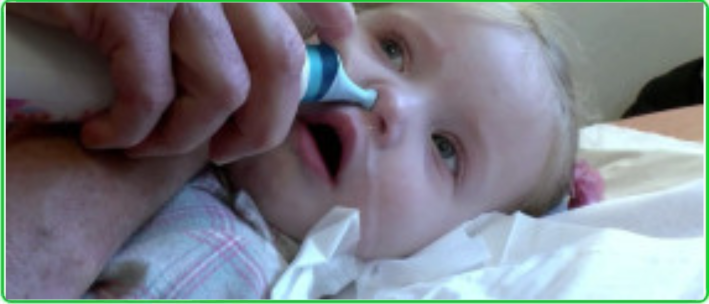
Many parents and adult patients believe they know how to rinse the nose correctly. At first glance, it seems simple: take a spray or a bottle with saline and squeeze it into the nostril. Yet this is precisely where the main error lies. In most cases, nasal irrigation is confused with simple spraying (nasal douching), and the procedure is performed incorrectly.
As a result, instead of the expected benefits—mucosal cleansing, reduction of inflammation, and improved breathing—the rinse may be ineffective. Parents often ask, “We are doing everything right, so why isn’t it working?” Adults may be convinced that a quick spray is enough, without understanding the crucial difference between light humidification and a true therapeutic lavage.
Dear patients, it is essential not only to know the indications for nasal rinsing but also to clearly understand the difference between irrigation and spraying, the proper technique, and age-related limitations.
From Ancient Practice to Modern Clinical Protocols
Nasal rinsing is one of the oldest health practices still in use today. The earliest descriptions are found in the Indian treatise Hatha Yoga Pradipika, where yogis practiced Jala Neti—nasal cleansing with saline—as part of daily hygiene.
In Europe, interest appeared much later, only at the end of the 19th century, when nasal irrigation began to be regarded as an important element in managing respiratory diseases.
The journey from ancient yogic rituals to modern clinical protocols shows that nasal irrigation is not a trivial household habit but a globally recognized method of prevention and treatment in otorhinolaryngology.
What Is Irrigation Therapy?
Irrigation therapy (also known as nasal lavage, or Proetz method “cuckoo” in clinical settings) is a procedure designed to eliminate viral, bacterial, fungal pathogens and allergens from the nasal cavity, paranasal sinuses, and nasopharynx.
Today it is firmly integrated into international and national guidelines, including EPOS (European Position Paper on Rhinosinusitis and Nasal Polyps) and ARIA (Allergic Rhinitis and its Impact on Asthma). These standards recognize nasal irrigation as a core element of comprehensive treatment for upper airway disease.
The procedure is safe, free of systemic contraindications, and even permitted during pregnancy.
Irrigation Solutions
A healthy nasal mucosa provides protection through:
- Ciliated epithelium (ciliated, goblet, and basal cells).
- Mucociliary transport, ensuring continuous clearance of mucus, pathogens, and particles.
- Mucus secretion, which increases during inflammation or decreases with atrophy.
The primary goal of nasal irrigation is to maintain optimal hydration of the mucosa, preserving its physiological barrier function. Solutions achieve this by:
- Elimination: mechanical removal of viruses, bacteria, allergens, and triggers.
- Irrigation: therapeutic effects of mineral salts.
- Improvement of mucociliary clearance: reducing edema, facilitating airflow, lowering inflammatory mediators.
Additionally, saline solutions provide antimicrobial, antiviral, and antifungal activity, enhancing therapeutic outcomes.
Types of solutions
- Isotonic (0.9% NaCl): physiologic, well tolerated, suitable for daily hygiene, prophylaxis, acute and chronic rhinitis.
- Low-hypertonic (1.5–3% salt): reduce mucosal edema, effective in acute/chronic rhinosinusitis and allergic rhinitis. Limit use to 5–7 days in acute episodes.
- Hypertonic (>3%): strong osmotic effect, rarely used; may cause burning/dryness.
- Buffered/combined: enriched with iodine, magnesium, zinc, etc.; stimulate local immunity and ciliary function.
- Medicated solutions: with antiseptics, antibiotics, corticosteroids; prescribed by a physician, usually postoperatively or in hospital.
Safety considerations
- Maximum duration of hypertonic use in acute settings: 5–7 days.
- Perform rinsing at least 20–30 minutes before going outdoors in cold weather.
- Temporary mild discomfort, sneezing, or leakage for up to 15 minutes is possible.
Indications (Evidence Level A)
- Acute viral rhinitis (common cold, influenza).
- Acute and chronic sinusitis (maxillary, frontal, ethmoidal).
- Allergic rhinitis.
- Atrophic, hypertrophic, and vasomotor rhinitis.
- Adenoiditis in children.
- Pre- and postoperative care in sinonasal surgery.
- Routine hygiene and prophylaxis of upper respiratory infections.
Evidence-Based Practice
- Large-volume irrigation (120–150 ml in children, >200 ml in adults) is superior to simple sprays (Cochrane, ICOR 2016).
- Recommended to begin 24–48 hours postoperatively (ICOR 2016).
- EPOS-2020: irrigation is mandatory in chronic rhinosinusitis and odontogenic CRS after surgery.
Eastern European Protocols
No unified standards exist for volume, concentration, frequency, or duration. Examples include:
- Chronic rhinitis (J31.0): rinsing with 0.5–2% sodium bicarbonate, 1% iodine/potassium iodide, or 0.9% NaCl, 3–4 times/day for 10–14 days.
- Chronic sinusitis (J32): Proetz irrigations 3–5 times, or maxillary puncture with antiseptic lavage.
- Puncture in acute sinusitis remains debated due to risks (bleeding, orbital penetration, air embolism) and does not always improve outcomes.
Contraindications
- Complete nasal obstruction.
- Acute otitis media or exacerbation of chronic otitis.
- Frequent epistaxis.
- Adenoid hypertrophy grade III.
- Benign/malignant nasal tumors.
- Individual intolerance of solution components.
Modern Irrigation Devices
- Jane Nasal Irrigator: soft tip, suitable for infants.
- Sinu Salt Bottle System (250 ml): manual pressure control for adults/children.
- NeilMed Sinus Rinse / Sinugator: pulsating stream, convenient for regular use.
- Naväge powered suction system: automated saline flow and suction.
- SinuPulse Elite: pulsatile irrigation with pressure control, effective for mucociliary clearance.
- Neti Pot: traditional gravity-based pot, simple but technique-dependent.
- Otosan Nasal Wash Kit: device + pre-measured sachets, suitable for routine use.
Device comparison
Device type | Best for | Advantages |
Infant syringe/irrigator | Babies, toddlers | Gentle, soft, easy to control |
Bottle systems | Children & adults | Affordable, simple, adjustable flow |
Pulsating irrigators | CRS patients, frequent users | Deep irrigation, pressure adjustable |
Electronic suction systems | Intensive users | Comfort, automation, effective clearance |
Neti Pot | Traditional users | Low-cost, eco-friendly, no pressure |
The Proetz Method (“Cuckoo”)
- Preparation: Performed only in ENT office. Suitable for children ≥5 years (who can cooperate).
- Technique: Patient lies on back, head extended. Solution introduced into one nostril while suction removes fluid from the other. Patient repeats “ku-ku” to seal the soft palate. Negative pressure draws fluid into sphenoid and posterior ethmoid sinuses. Duration 5–10 min, usually 5–7 sessions.
- Aftercare: Rest 15–20 min, avoid exertion or cold air exposure for 1–2 hours. Mild throat irritation or congestion may occur transiently.
“Fencing” Method in Infants (>6 months)
- Preparation: isotonic/slightly hypertonic solution, ~30 °C, continuous spray.
- Position: child reclined at 30°, head turned to side, parent gently stabilizes cheek/shoulder (“fencing pose”).
- Procedure: nozzle placed in upper nostril, spray angled 45° toward opposite inner canthus, 3-second gentle stream (~6 ml). Fluid exits lower nostril. Repeat on other side.
- Aftercare: assist child in nasal exhalation (“blowing”), collect secretions with tissue. Check nasal patency. Most children tolerate well (FLACC <5).
Stepwise Irrigation in Children (4–12 years)
- Device: 120 ml bottle. Dissolve 1 g sachet in warm water.
- Position: child bends forward 90°, face parallel to floor.
- Procedure: apply bottle to nostril, gentle squeeze → solution exits other nostril. Repeat both sides.
- Aftercare: blow nose with mouth open; optional suction with empty bottle to remove residual fluid.
Irrigation in Adolescents and Adults (≥12 years)
- Device: 240 ml bottle. Dissolve 2 g sachet in warm water.
- Position: lean forward 90°, face parallel to floor.
- Procedure: squeeze bottle gently → solution flows out contralateral nostril. Repeat both sides.
- Aftercare: blow nose with mouth open; suction with empty bottle for residual clearance.
Clinical Expertise at KindCare Medical Center
At KindCare Medical Center (Dubai), Dr. Maryna Kryshtopava not only prescribes nasal irrigation as part of therapy but also personally trains parents and patients in proper technique. During consultation, you will learn:
- how to safely rinse the nose in children and adults;
- which solutions are appropriate in each case;
- which devices are best suited for different ages;
- how to adapt the procedure to individual needs and health conditions.
This ensures patients receive not only medical treatment but also practical skills to maintain airway health in daily life.
Contact Us +971 4 33 88 5 88
recent articles