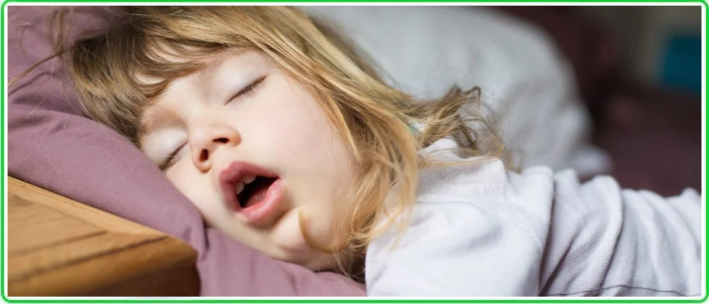
A child sleeps, snores… and suddenly the breathing stops. The brain “invents” a dream about a narrow tunnel or deep water, and a sharp gasp for air brings the child back to reality. This is not just a bad dream — it’s sleep apnea.
Snoring in Children Is Not Harmless
Snoring in a child is a sign of possible serious breathing disorders during sleep, including sleep apnea. According to modern international recommendations, all children should be screened for snoring as part of regular check-ups.
If parents say “Yes” when asked whether their child snores, the next step is a consultation with an ENT specialist.
Main Causes of Snoring and Sleep Apnea in Children
The most common causes include:
- Adenotonsillar hypertrophy (enlarged adenoids and tonsils) — the leading cause of sleep apnea in children.
- Chronic rhinitis or allergies that block nasal breathing.
- Anatomical airway features such as narrow nasal passages or jaw structure.
- Obesity, which increases soft tissue volume in the throat.
- Neurological disorders affecting breathing control.
- Post-infectious complications after colds, flu, or other respiratory diseases.
Diagnostic and Treatment Methods
According to the American Academy of Pediatrics:
- All children and adolescents should be screened for the presence of snoring.
- If snoring and/or signs of sleep apnea are present, endoscopic examination of the nose, pharynx, and larynxshould be performed.
- The first-line treatment for adenotonsillar hypertrophy is adenotonsillectomy (removal of adenoids and tonsils).
- Postoperative follow-up is mandatory, with additional treatment if necessary.
- For children with excess body weight, weight reduction is recommended.
- In mild cases of apnea or with residual postoperative symptoms, nasal corticosteroids may be prescribed.
Modern Surgical Approach
In advanced ENT clinics at the KindCare Medical center, adenotonsillectomy is performed with:
- Optical instruments for precision.
- Continuous endoscopic control to reduce complications.
- Safe anesthesia tailored to children.
- Quick recovery — most children go home within 2–3 hours.
- No traumatic memories thanks to gentle post-op care.
Why Follow-Up Care Matters
Even after successful surgery, follow-up is critical to:
- Confirm improvement in breathing and sleep.
- Detect any return of symptoms.
- Add extra treatments if necessary (medications, weight management).
When to See a Doctor Immediately
Make an appointment with a pediatric ENT if your child has:
- Constant or frequent snoring.
- Pauses in breathing during sleep.
- Restless sleep or frequent awakenings.
- Daytime sleepiness, irritability, or hyperactivity.
- Delayed speech or physical development.
Dr. Maryna Kryshtopava, PhD, Associate Professor, ENT Specialist: “So that sleep doesn’t turn into a nightmare — seek ENT help on time.”