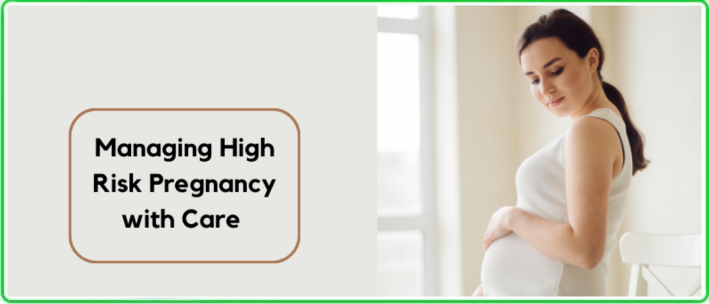

High-Risk Pregnancy: What It Is and How to Minimize the Risks

High-Risk Pregnancy: What It Is and How to Minimize the Risks

high risk pregnancy

A high-risk pregnancy is a condition in which the mother or baby has an increased likelihood of developing serious complications. In such cases, professional monitoring and a comprehensive approach to care are especially important.

At KindCare Medical Center, Dr. Surayo Nazarova — obstetrician-gynecologist, Doctor of Medical Sciences, Associate Professor, with over 30 years of experience — provides expert management of high-risk pregnancies, helping to protect the health of both mother and baby.


Main Risk Factors

A pregnancy may be considered “high-risk” in the following situations:

  • maternal age over 35;
  • chronic conditions such as hypertension or diabetes;
  • complications in previous pregnancies;
  • multiple pregnancy;
  • risk of preterm birth;
  • thrombophilia during pregnancy;
  • intrauterine growth restriction (IUGR);
  • preeclampsia and eclampsia.


How to Minimize Risks

To reduce the likelihood of complications and ensure the safest possible pregnancy, it is important to:

  • begin prenatal care early with a gynecologist;
  • strictly follow medical recommendations;
  • undergo regular check-ups, ultrasounds, and lab tests;
  • monitor blood sugar and blood pressure;
  • receive emotional and psychological support.


Individualized Care at KindCare Medical Center

Every patient at KindCare receives a personalized pregnancy care plan, tailored to her age, health status, and specific needs. This approach helps minimize risks and prepares expectant mothers for a safe delivery.

Authors

recent articles

Infection Testing: When and Why Should You Get Tested?

Infection Testing: When and Why Should You Get Tested? Many infections develop silently without causing noticeable symptoms. However, even in the absence of signs, bacterial, viral, fungal, and...

How Hormonal Imbalance Affects Women’s Health

How Hormonal Balance Affects Women’s Health Hormones are biologically active substances that regulate nearly every function in a woman’s body. They influence the menstrual cycle...

Menopause: Myths and Facts

Menopause: Myths and Facts Menopause is a natural stage in every woman’s life, marking the end of reproductive function as ovarian hormone production gradually declines. It typically occurs...

Prevention and Treatment of Inflammatory Diseases of the Cervix

Prevention and Treatment of Inflammatory Diseases of the Cervix Inflammatory diseases of the cervix are among the most common reasons women visit a gynecologist. In many cases, these conditions...

Comments are closed.