Pediatrician in Dubai | Child Travel First Aid Kit
Traveling with a child can be an exciting experience for the whole family, but it also requires careful preparation to protect your child’s health. Long flights, changes in climate and time zones, unfamiliar foods, different water sources, hot weather, and increased sun exposure can all affect a child’s well-being. Extra preparation is especially important when traveling with a baby or a child with allergies or chronic medical conditions.
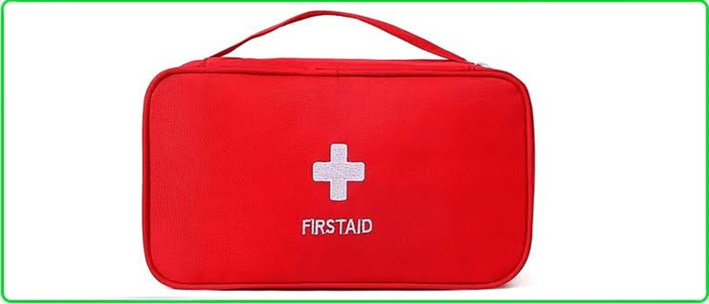
A properly prepared child travel first aid kit can help parents respond quickly to fever, digestive problems, allergic reactions, insect bites, or minor injuries while away from home.
At KindCare Medical Center in Dubai, parents can consult an experienced pediatrician before traveling with a child. The doctor can assess your child’s health, review the vaccination schedule, and provide personalized travel recommendations based on the child’s age, destination, and length of the trip.
How to Prepare Your Child for Travel
- Health Check and Vaccinations
Before a long-distance or international trip, consider scheduling a pediatric check-up. This is particularly important for babies, children with allergies or chronic conditions, and those who have recently recovered from an infection.
A pediatrician can review your child’s vaccination history and determine whether any additional preventive measures may be recommended for the destination.
- Medical Insurance
International medical insurance for your child can provide access to medical care in case of illness or injury abroad. Before departure, check the insurance conditions, emergency contact numbers, and procedure for obtaining medical assistance at your destination.
- Medical Care at Your Destination
Save the addresses and contact details of nearby pediatric clinics and hospitals, as well as local emergency numbers.
If your child takes regular medication, bring enough for the entire trip, with some additional supply where appropriate. Keep medicines in their original packaging and check any airline or destination-country requirements for carrying prescription medication.
- Food and Hydration
Food and water safety are particularly important when traveling with young children. If the safety of local tap water is uncertain, bottled water may be a more appropriate option for drinking and preparing children’s food.
In hot climates, offer fluids regularly. Babies and young children can become dehydrated more quickly than adults, particularly during fever, vomiting, diarrhea, or prolonged exposure to heat.
Child Travel First Aid Kit: What Should You Pack?
The exact contents of a travel first aid kit for children depend on the child’s age, medical history, and travel destination. A basic kit may include:
Fever and Pain Relief
- Paracetamol or ibuprofen in an age-appropriate formulation
- Digital thermometer
Medication doses for children are often based on body weight, so ask your pediatrician about the correct dose before traveling.
Diarrhea and Vomiting
- Oral rehydration solution (ORS)
- Any additional medications recommended specifically by your child’s doctor
During gastroenteritis, preventing dehydration and replacing lost fluids and electrolytes are key priorities. Anti-diarrheal or anti-vomiting medicines should not be given to children without appropriate medical advice.
Allergies and Insect Bites
- An age-appropriate antihistamine recommended by your pediatrician
- Treatment for itching or irritation following insect bites
- Child-appropriate insect repellent
Minor Injuries and Wound Care
- Antiseptic solution
- Sterile wipes
- Adhesive plasters in different sizes
- Sterile gauze and bandages
Sun and Skin Protection
- Children’s sunscreen with SPF 50+
- Hat and sun-protective clothing
- Products for irritated skin
- Age-appropriate insect repellent, such as products containing picaridin or IR3535
Which Medicines Should You Avoid Giving Without Medical Advice?
Avoid filling a travel kit with antibiotics, anti-diarrheal medicines, anti-vomiting drugs, or prescription medications simply “just in case.” These treatments may not be appropriate for every illness and can sometimes make diagnosis or treatment more difficult.
Medication doses should also not be guessed, particularly in young children. Before traveling, a pediatrician can prepare an individualized medication list and explain when and how each medicine should be used.
When Does a Child Need Urgent Medical Attention?
Seek prompt medical care if your child develops:
- Signs of significant dehydration
- Repeated vomiting or inability to keep fluids down
- Difficulty breathing
- Significant swelling of the face, lips, or tongue
- Seizures
- Loss of consciousness or unusual drowsiness
- Significant head injury
- Deep wounds or uncontrolled bleeding
- High fever accompanied by deterioration in the child’s general condition
With fever, the temperature itself is not the only factor to consider. The child’s age, activity level, breathing, hydration, and other symptoms are also important.
Pediatric Travel Tips for Parents
- Check the expiry dates of all medicines before departure.
- Keep medications in their original packaging.
- Carry essential regular medications in your hand luggage.
- Offer water regularly during long flights.
- Protect children from direct sunlight and overheating.
- Take regular breaks during long car journeys so children can move and rest.
- Be cautious when introducing unfamiliar foods, especially for young children or those with food allergies.
Prepare for Your Trip with a Pediatrician at KindCare Medical Center
At KindCare Medical Center in Dubai, parents can receive a personalized pre-travel pediatric consultation, review their child’s vaccination schedule, and discuss prevention of gastrointestinal infections, allergic reactions, insect bites, sunburn, heat-related illness, and dehydration.
A pediatrician can also help prepare an individual child travel first aid kit based on your child’s age, weight, medical history, medications, and travel destination.
Book a consultation with a pediatrician at KindCare Medical Center before your trip to prepare your child for travel and make your family holiday as safe, healthy, and comfortable as possible.