Summer Ear Infections: How to Prevent Ear Problems After Swimming in Dubai
Over the years of practicing as an ENT specialist, I have noticed an interesting paradox. Many people are afraid of earwax, yet very few understand how important it actually is. It is often considered a sign of poor hygiene, when in reality it is one of the body’s most effective natural defense mechanisms. Sometimes, the best way to keep your ears healthy is simply not to interfere with their normal function.
According to a 2019 evidence-based review (Otitis Externa: Investigation and Evidence-Based Treatment. Wiegand S, Berner R, Schneider A, Lundershausen E, Dietz A. Dtsch Arztebl Int. 2019;116(13):224–234. DOI: 10.3238/arztebl.2019.0224), approximately 10% of people experience otitis externa at least once in their lifetime, while swimmers develop the condition about five times more often. More than 90% of cases are bacterial, most commonly caused by Pseudomonas aeruginosa and Staphylococcus aureus.
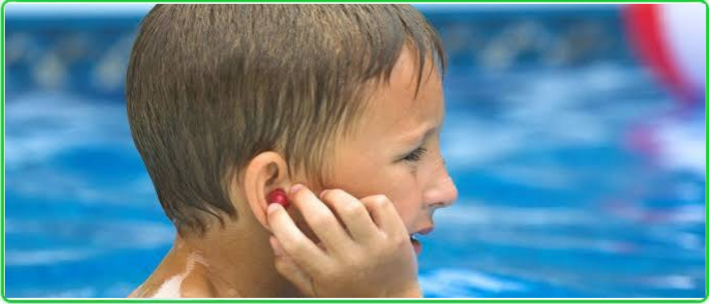
Summer in Dubai is the peak season for swimming in the sea and pools. However, it is also the time when ENT clinics see a sharp increase in patients complaining of ear pain, itching, discharge, and hearing loss. In most cases, these symptoms are caused by otitis—an inflammation of the ear that develops after water becomes trapped in the ear canal, allowing infection to develop.
Imagine a small cave that is warm, poorly ventilated, and able to retain moisture. For bacteria, this is exactly what the external ear canal looks like. If microorganisms could choose where to live, they would probably find it an ideal environment. Fortunately, in a healthy ear they are held back by an unexpected protector—earwax.
Earwax is much more than a simple lubricant. It maintains the ear canal’s naturally acidic environment, contains antimicrobial proteins, repels water, and protects the skin barrier. After prolonged exposure to water, this protective barrier may become weakened, making the skin vulnerable to bacterial and fungal infections.
The ears are also designed to clean themselves. Skin cells slowly migrate from the eardrum outward, like a tiny conveyor belt, naturally carrying earwax, dust, and debris out of the ear canal. This is why most people do not need to clean their ears with cotton swabs.
Why, then, can one person swim every day without any problems while another develops an ear infection after a single dive? Certain people are naturally at higher risk, especially those with chronic skin conditions such as eczema, narrow ear canals, hearing aids, frequent earbud use, minor skin injuries, or habitual cotton swab use. People with diabetes deserve particular attention, as they are more likely to develop fungal ear infections or complicated bacterial infections, and healing tends to be slower.
Every summer, the external ear canal faces a real challenge. Seawater, swimming pools, heat, perspiration, and constant transitions between outdoor temperatures and air conditioning alter the environment that normally protects the ear from infection. This is why otitis externa is often called “the disease of summer.”
Types of Summer Ear Infections
- Otitis Externa (“Swimmer’s Ear”)
- Develops when moisture softens the skin of the ear canal, allowing bacteria to penetrate.
- Symptoms include itching, pain when touching the ear, swelling, and discharge.
- Middle Ear Infection (Otitis Media)
- More common in children after frequent diving or upper respiratory infections.
- Symptoms include ear pain, fever, and temporary hearing loss.
- Fungal Ear Infection (Otomycosis)
- Particularly common in hot, humid climates and in people with diabetes or weakened immune systems.
- Often develops after frequent swimming or prolonged antibiotic use.
- Symptoms include intense itching, white or black discharge, and a sensation of a blocked ear.
Why the Risk Is Higher in Dubai
- Warm seawater and swimming pools. High temperatures create ideal conditions for bacterial growth.
- Frequent use of earbuds and earplugs. These can cause tiny injuries to the ear canal, making infection more likely.
- Hot and humid climate. Heat combined with frequent swimming creates a “greenhouse effect” inside the ear.
- Diabetes. Diabetes weakens the skin’s natural defenses and the immune system, increasing the risk of severe fungal ear infections.
How to Care for Your Ears After Swimming
- Remove trapped water immediately by tilting your head and gently shaking it.
- Dry the outer ear carefully with a soft towel. Avoid inserting cotton swabs deep into the ear canal.
- Use preventive ear drops after swimming when recommended by your doctor. Antiseptic or alcohol-based drying drops may help reduce the risk of infection.
- Wear swimming earplugs, especially for children with recurrent ear infections and adults who have had ear surgery.
- Treat colds and allergies promptly, as nasal congestion increases the risk of ear infections.
- Keep chronic medical conditions under control. For people with diabetes, maintaining healthy blood sugar levels promotes healing and reduces infection risk.
When Should You See an ENT Specialist Immediately?
Seek medical attention if:
- Ear pain lasts longer than 24 hours.
- You notice pus, blood, or fungal discharge.
- Your hearing suddenly decreases.
- Your child becomes unusually irritable, refuses to eat, or repeatedly pulls on their ear.
- A patient with diabetes develops significant itching, discharge, or pain, as this may indicate fungal otitis requiring specialized treatment.
Modern ENT Care in Dubai
At KindCare Medical Center, Dr. Maryna Kryshtopava, ENT Specialist, provides comprehensive diagnosis and treatment of summer ear infections, including:
- Ear endoscopy for accurate diagnosis.
- Evidence-based local treatment with antiseptics, antifungal medications, and antibiotics when indicated.
- Individual selection of preventive ear drops.
- Education on proper ear care for children and adults after swimming.
- Personalized recommendations for patients with diabetes and children who are at increased risk of severe ear infections.
Frequently Asked Questions
Can I use hydrogen peroxide in my ears after swimming?
No. Hydrogen peroxide may irritate the delicate skin of the ear canal. It is better to use pharmacy-approved ear drops recommended by your doctor.
Can I dive if I am prone to ear infections?
Yes, but only with properly fitted swimming earplugs and after consulting an ENT specialist.
Should children’s ears be cleaned with cotton swabs?
No. Cotton swabs can damage the skin of the ear canal and increase the risk of infection. Simply dry the outer ear with a towel after bathing.
How often should a child see an ENT specialist in Dubai?
Children who experience recurrent ear infections should have a preventive ENT examination at least twice a year.
Conclusion
Summer in Dubai is the perfect time to enjoy the beach and swimming pools, but it also increases the risk of ear infections. Following simple ear care practices, using preventive ear drops when recommended, and protecting the ears during swimming can significantly reduce the risk of otitis.
At KindCare Medical Center, Dr. Maryna Kryshtopava provides expert diagnosis, treatment, and prevention of summer ear infections, helping both children and adults enjoy the sea and pool safely throughout the season.
Contact Us +971 4 33 88 5 88
recent articles