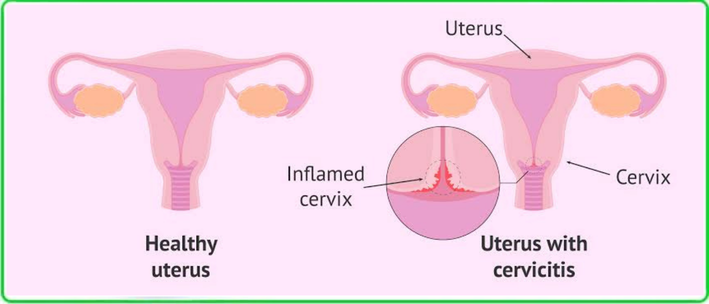
Inflammatory diseases of the cervix are among the most common reasons women visit a gynecologist. In many cases, these conditions develop without noticeable symptoms and are discovered only during a routine gynecological examination. However, the absence of symptoms does not mean the condition is harmless. Chronic cervical inflammation may lead to structural changes in cervical tissue, reproductive health problems, cervical dysplasia, and, if left untreated, may increase the risk of precancerous and cancerous changes.
At KindCare Medical Center, diagnosis and treatment of cervical diseases are provided by Dr. Surayo Nazarova, Consultant Obstetrician & Gynecologist, MD, PhD, Associate Professor, with more than 30 years of clinical experience. She follows international evidence-based guidelines and develops an individualized treatment plan based on each patient’s age, reproductive goals, medical history, and diagnostic findings.
What Are Inflammatory Diseases of the Cervix?
The cervix serves as a protective barrier, preventing infections from entering the uterus. When this natural defense is compromised, inflammatory and pathological conditions may develop.
The most common cervical conditions include:
- Cervicitis – inflammation of the cervical lining caused by bacterial, viral, or fungal infections.
- True cervical erosion – damage to the cervical epithelium resulting from infection, inflammation, or trauma.
- Cervical ectopy (pseudo-erosion) – displacement of glandular cells onto the outer surface of the cervix. This is often a normal physiological finding in young women but requires proper evaluation.
- Cervical dysplasia – abnormal changes in cervical cells considered a precancerous condition that requires careful monitoring and, when necessary, treatment.
It is important to understand that not every cervical erosion requires surgical treatment. Only a comprehensive gynecological examination can determine whether the findings represent a normal anatomical variation or a condition requiring medical intervention.
Common Causes
Several factors may contribute to the development of cervical inflammation, including:
- Sexually transmitted infections (HPV, chlamydia, gonorrhea, mycoplasma, herpes, and others)
- Chronic bacterial or fungal infections
- Vaginal microbiome imbalance
- Hormonal changes
- Cervical trauma following childbirth, miscarriage, or gynecological procedures
- Weakened immune system
- Chronic pelvic inflammatory disease
Symptoms You Should Never Ignore
Many women experience no symptoms in the early stages, making regular gynecological check-ups essential.
When symptoms occur, they may include:
- Unusual vaginal discharge with an unpleasant odor
- Bleeding after sexual intercourse or a gynecological examination
- Lower abdominal discomfort or pelvic pain
- Burning or itching in the intimate area
- Pain during sexual intercourse
- Menstrual irregularities
Any of these symptoms should prompt an appointment with a gynecologist as soon as possible.
Advanced Diagnosis at KindCare Medical Center
To establish an accurate diagnosis, Dr. Surayo Nazarova may recommend:
- Comprehensive gynecological examination
- Video colposcopy with extended colposcopic evaluation
- Pap smear (liquid-based cervical cytology)
- High-risk HPV testing
- PCR testing for genital infections
- Bacteriological cultures
- Pelvic ultrasound examination
- Targeted cervical biopsy with histopathological analysis when indicated
A comprehensive diagnostic approach not only identifies the underlying cause of inflammation but also enables early detection of precancerous and malignant cervical conditions.
Modern Treatment Options
Treatment is tailored individually according to the diagnosis and underlying cause.
At KindCare Medical Center, available treatment options include:
- Medical therapy (antibiotics, antiviral, or antifungal medications)
- Restoration of healthy vaginal microbiota
- Anti-inflammatory treatment
- Radiofrequency cervical treatment
- Laser treatment for cervical lesions
- Cryotherapy (cryodestruction)
- Advanced regenerative therapies, including Sciton diVa, which supports vaginal mucosal regeneration and improves tissue quality in women with chronic inflammatory changes, postpartum tissue damage, or age-related vaginal changes
- Surgical treatment only when clinically indicated
Each treatment plan is developed after a thorough evaluation to ensure the safest and most effective outcome.
How to Reduce the Risk of Cervical Disease
Preventive care plays a crucial role in protecting cervical health.
Doctors recommend:
- Annual gynecological examinations
- Regular Pap smears and HPV screening according to age and medical recommendations
- Early diagnosis and treatment of genital infections
- Practicing safe sex by using barrier protection
- Maintaining a healthy immune system
- Avoiding self-medication and unnecessary antibiotic use
- Receiving HPV vaccination when appropriate
Why Early Treatment Matters
Without timely medical care, inflammatory cervical diseases may become chronic, cause cervical scarring, affect fertility, complicate future pregnancies, and increase the risk of cervical dysplasia and cervical cancer.
Early diagnosis dramatically improves treatment success and helps preserve women’s reproductive health.
Schedule Your Consultation at KindCare Medical Center
If you are experiencing unusual discharge, pelvic discomfort, postcoital bleeding, or if it has been more than a year since your last gynecological examination, schedule a consultation with Dr. Surayo Nazarova at KindCare Medical Center. Our comprehensive diagnostic services, evidence-based treatment, and personalized approach help detect cervical conditions early, provide effective treatment, and protect your long-term reproductive health.