Laser surgery has brought a true revolution to otorhinolaryngology (ENT). It has become a precise and minimally invasive alternative to traditional operations and has quickly been recognized as the “gold standard” in treating diseases of the larynx, pharynx, and nose. Thanks to its high precision and the ability to simultaneously cut and coagulate tissues, the laser minimizes trauma, reduces the risk of complications, and accelerates healing.
What Is Laser Surgery?
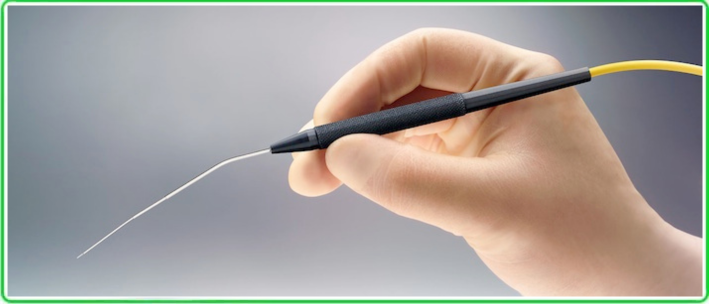
A laser (Light Amplification by Stimulated Emission of Radiation) is a focused beam of high-energy light that can:
- cut tissues,
- vaporize pathological growths,
- coagulate blood vessels.
The first laser used in ENT practice was the CO₂ laser (1960s), which quickly became the “gold standard” for laryngeal and pharyngeal surgery. Today, various types of lasers are applied, each with specific features and indications:
Laser Type | Wavelength (nm) | Application |
|---|
CO₂ | 10,600 | Laryngology, pharyngeal surgery, skin lesions |
Nd:YAG | 1,064 | Vascular lesions, tumors |
KTP | 532 | Vascular pathologies, tonsillectomy |
Diode | 800–980 | Tonsillectomy, adenoidectomy, turbinate reduction |
Laser surgery is non-contact: the surgeon does not use a scalpel but directs the light beam, which reduces infection risk and accelerates recovery.
Advantages of Laser Surgery
- High precision – minimal damage to healthy tissues.
- Minimal blood loss – vessels coagulate during the incision.
- Sterility – natural bactericidal effect of the laser.
- Less pain – often performed under local anesthesia.
- Faster recovery – patients return to daily life sooner.
- No scarring – especially important for facial areas and vocal cords.
Laser vs. Traditional Surgery
The optimal surgical method can only be determined after consultation with an ENT specialist. Laser surgery is not always superior to conventional techniques—each method has its own benefits and limitations. The choice depends on the diagnosis, age, anatomy, and surgeon’s expertise.
Indications for Laser Surgery
Laser ENT surgery may be recommended for:
- Chronic rhinitis and nasal obstruction,
- Enlarged adenoids in children,
- Chronic tonsillitis and recurrent sore throats,
- Nasal and nasopharyngeal polyps,
- Benign laryngeal lesions (nodules, cysts, papillomas),
- Chronic otitis with impaired drainage,
- Frequent nosebleeds.
How the Procedure Is Performed
- Diagnostic stage – endoscopic examination and ENT consultation.
- Anesthesia – local or general depending on the case.
- Laser application – targeted treatment of the pathological area.
- Duration – 30–60 minutes.
- Same-day discharge – in most cases, the patient can go home the same day.
Preparing for Laser Surgery
- Complete examination: blood tests, ECG, consultation with a physician/anesthesiologist.
- Inform your doctor about all medications.
- Stop anticoagulants or blood-thinning drugs (e.g., aspirin, warfarin, ibuprofen, diclofenac) 5–7 days before surgery (only with medical approval).
On the day of surgery:
- For general anesthesia – come fasting.
- For local anesthesia – a light breakfast is allowed.
- Avoid makeup, creams, or perfumes on the face and neck area.
Recovery After Surgery
- Minimal pain and discomfort.
- Swelling usually resolves within 2–5 days.
- Bleeding is rare.
- Full recovery of breathing or voice – 1–2 weeks.
- Light activity and computer work – after 2–3 days.
- Sports and heavy exercise – after 3–4 weeks (with doctor’s approval).
- Final results are typically assessed 4–6 weeks after surgery.
Laser Surgery in Children
Laser ENT surgery in children can be used for:
- Hypertrophy of adenoids and tonsils,
- Nasal obstruction,
- Laryngeal nodules/papillomas,
- Certain types of ear disease.
Benefits for children:
- Gentle and minimally invasive,
- Less pain and bleeding,
- Quick rehabilitation,
- No scarring.
The Future of Laser ENT Surgery
Technological progress is making laser procedures even more precise and safer. The future includes:
- Femtosecond and ultrashort-pulse lasers,
- Integration with navigation systems,
- Robot-assisted surgery,
- Personalized treatment protocols.
Laser ENT Surgery at KindCare Medical Center (Dubai)
At KindCare Medical Center (Dubai), laser ENT surgeries are performed using advanced equipment and minimally invasive techniques. Our specialist: Dr. Maryna Kryshtopava – ENT surgeon, PhD, Associate Professor, with over 23 years of experience, expert in laser and endoscopic surgery of the nose, sinuses, tonsils, and larynx.
We provide:
- Accurate diagnostics (endoscopy, laboratory tests),
- Selection of the safest and most effective surgical method,
- Reliable anesthesia and patient comfort,
- Fast recovery and ongoing follow-up care.
Our goal is to ensure every surgery is safe, effective, and comfortable, helping patients restore free breathing, a healthy voice, and a better quality of life.