
Child Growth and Weight Standards: When to Worry

Child Growth and Weight Standards: When to Worry

Child Growth and Weight

Growth and weight are among the most important indicators of a child’s overall health. These parameters reflect not only genetics but also nutrition quality, physical activity levels, and proper functioning of the endocrine and other body systems.

At Kind Care Medical Center (Dubai), pediatricians regularly monitor these measurements and identify possible causes when deviations occur. Minor fluctuations are normal, but persistent delays or rapid weight gain require medical attention.

Why Monitoring Growth and Weight Matters

  1. Assessing overall health
    Healthy growth patterns indicate balanced physical development and proper functioning of vital systems.
  2. Early detection of medical conditions
    Falling behind in height or gaining too much or too little weight may signal endocrine disorders, gastrointestinal issues, chronic diseases, or even genetic conditions.
  3. Evaluating nutrition and lifestyle
    Regular tracking helps adjust a child’s diet and activity level before problems become more serious.

How Growth Standards Are Determined

  • Pediatricians use WHO percentile charts, which show how a child compares to peers of the same age and gender.
  • Body Mass Index (BMI) for children is calculated with age and gender in mind, unlike adult BMI.
  • Family growth potential is evaluated — parental height helps predict a child’s expected height range.

When Parents Should Be Concerned

  • Child’s height or weight falls below the 3rd percentile or above the 97th percentile.
  • A sudden shift in growth velocity — significant slowdown or unexpected acceleration.
  • Disproportionate indicators, such as low height but excessive weight, or vice versa.
  • Signs of chronic illness, poor appetite, lethargy, or increased fatigue.

Factors That Influence Growth and Weight

  • Genetics: inherited growth patterns and family height.
  • Nutrition: adequacy of essential nutrients, protein, vitamins, and minerals.
  • Physical activity: active children typically demonstrate more harmonious growth.
  • Health status: endocrine disorders, gastrointestinal diseases, or kidney conditions can affect growth.
  • Sleep: growth hormone is produced primarily at night, making quality sleep essential.

How Growth and Weight Are Assessed at Kind Care Medical Center

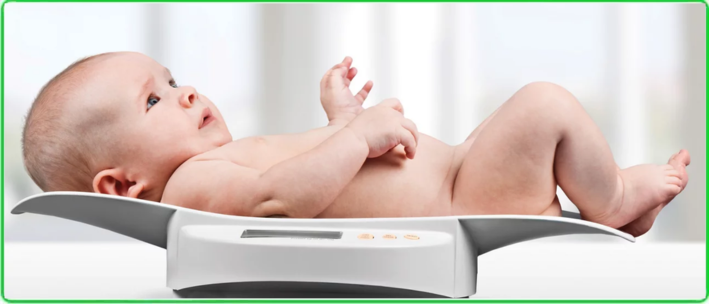
  • Accurate measurements using certified medical equipment.
  • Evaluation of growth trends over time, considering family height.
  • Comparison with international WHO standards.
  • Additional laboratory or instrumental diagnostics when necessary.
  • Personalized recommendations on nutrition, activity levels, and lifestyle habits.

Conclusion

Monitoring your child’s height and weight is an essential part of safeguarding their long-term health. Early detection of abnormalities allows timely intervention and helps ensure healthy development.

 Book an appointment with a pediatrician at Kind Care Medical Center (Dubai) to assess your child’s growth and weight and receive a personalized care plan.

Authors

recent articles

Headache Prevention: The Role of Lifestyle and Daily Routine

Headache Prevention: The Role of Lifestyle and Daily Routine Headaches are among the most common complaints in both adults and children. Frequent episodes can significantly affect quality of life...

Dangerous Types of Headaches That Require Immediate Medical Attention

Dangerous Types of Headaches That Require Immediate Medical Attention IntroductionHeadache is one of the most common complaints among patients, but not every headache is harmless. In some cases, it...

Tension Headache: How Stress Affects the Brain

Tension Headache: How Stress Affects the Brain IntroductionA constant feeling of pressure in the head, tightness in the temples, fatigue, and irritability — these are familiar symptoms for many office...

Diarrhea in Children: How to Help and When to See a Doctor

Diarrhea in Children: How to Help and When to See a Doctor Pediatrician in Dubai – Diagnosis and Treatment of Childhood Gastrointestinal Infections Diarrhea in children is one of the most common...

Comments are closed.