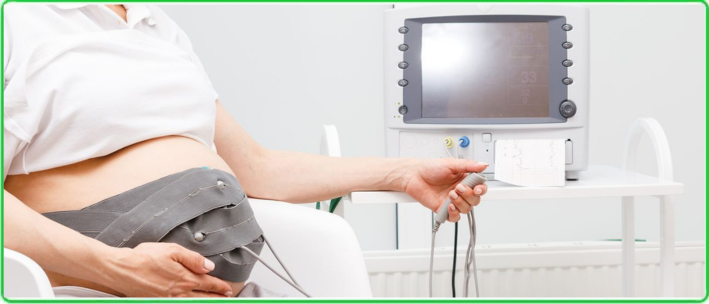
Fetal Monitoring: Ultrasound and Advanced Methods of Pregnancy Care
The health of a baby begins long before birth. Fetal monitoring during pregnancy is a comprehensive medical approach that allows doctors to assess fetal development, placental function, and overall well-being at every stage of pregnancy. Regular and accurate monitoring helps detect potential complications early and significantly reduces pregnancy and delivery risks.
At KindCare Medical Center in Dubai, prenatal care is provided according to international obstetric standards. Dr. Surayo Nazarova uses advanced diagnostic technologies, including expert-level ultrasound and functional fetal assessment methods, to ensure the safest possible pregnancy outcomes.
Key Methods of Fetal Monitoring
- Pregnancy Ultrasound (Ultrasound Scan)
Ultrasound is the cornerstone of prenatal diagnostics and is completely safe for both mother and baby. Pregnancy ultrasound in Dubai allows specialists to:
- accurately determine gestational age;
- assess fetal growth, size, and estimated weight;
- evaluate placental condition and amniotic fluid volume;
- detect congenital abnormalities and developmental markers.
Expert ultrasound equipment provides high-resolution imaging for precise assessment.
- Doppler Ultrasound (Dopplerometry)
Doppler ultrasound during pregnancy measures blood flow between the mother, placenta, and fetus. This method is essential for identifying placental insufficiency, fetal hypoxia, and circulation abnormalities, particularly in high-risk pregnancies. - Cardiotocography (CTG)
CTG fetal monitoring records the baby’s heart rate along with uterine activity. It helps assess fetal well-being, especially in the third trimester, and is widely used to monitor fetal response to movement and contractions. - Biophysical Profile (BPP)
The biophysical profile of the fetus is a comprehensive assessment combining fetal movements, breathing activity, muscle tone, heart rate patterns, and amniotic fluid volume. It provides a real-time overview of fetal health and adaptation inside the womb.
When Enhanced Fetal Monitoring Is Required
More frequent and detailed monitoring is recommended in cases of:
- high-risk pregnancy;
- chronic maternal conditions such as diabetes, hypertension, or thyroid disorders;
- suspected intrauterine growth restriction (IUGR);
- multiple pregnancy (twins or more);
- history of pregnancy complications or adverse outcomes.
Why Choose KindCare Medical Center
- certified expert-class diagnostic equipment;
- accurate interpretation by an experienced obstetric specialist;
- individualized pregnancy monitoring plans;
- compliance with international pregnancy care guidelines.
Conclusion
Fetal monitoring plays a vital role in ensuring a healthy pregnancy and a safe delivery. Modern diagnostic methods allow early detection of potential risks and timely medical intervention.
Book your pregnancy ultrasound and fetal monitoring appointment at KindCare Medical Center Dubai to ensure expert care and peace of mind throughout your pregnancy.
