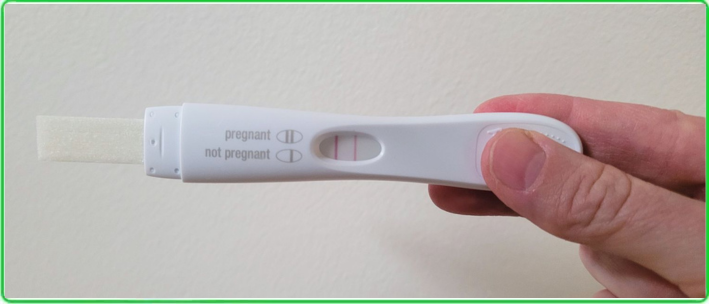
Proper pregnancy care is impossible without regular laboratory tests and medical screenings. Prenatal examinations help assess the mother’s health, detect potential complications early, and ensure the healthy development of the baby. A trimester-based testing plan is the foundation of modern antenatal care.
At KindCare Medical Center in Dubai, Dr. Nazarova creates an individualized pregnancy monitoring plan, taking into account gestational age, medical history, and each patient’s unique health needs.
First Trimester (up to 12 weeks)
The first trimester is a critical stage when the baby’s organs and systems begin to form. Early testing helps identify infections, genetic risks, and baseline maternal health indicators.
Recommended tests include:
- blood group and Rh factor;
- HIV, syphilis, hepatitis B and C screening;
- complete blood count (CBC);
- urinalysis;
- TORCH screening (toxoplasmosis, rubella, cytomegalovirus, herpes);
- screening for sexually transmitted infections (STIs);
- first prenatal screening — ultrasound combined with biochemical blood tests.
These assessments help evaluate chromosomal risk and identify infections that may affect fetal development.
Second Trimester (13–27 weeks)
During the second trimester, the focus shifts to monitoring fetal growth and preventing pregnancy-related complications.
Key examinations include:
- repeat CBC and urinalysis;
- detailed anomaly ultrasound at 20–22 weeks;
- oral glucose tolerance test (OGTT) to screen for gestational diabetes;
- hemoglobin monitoring to detect and prevent anemia.
Regular testing allows timely detection of metabolic and developmental abnormalities.
Third Trimester (28 weeks and beyond)
The third trimester focuses on fetal well-being and preparation for delivery.
Recommended examinations:
- CBC and urinalysis;
- growth ultrasound at 32–34 weeks to assess fetal position and placental status;
- cardiotocography (CTG) to monitor fetal heart rate;
- Doppler ultrasound to evaluate uteroplacental blood flow.
These methods ensure that the baby is developing properly and tolerating the intrauterine environment.
Personalized Pregnancy Care at KindCare Medical Center
At KindCare Medical Center Dubai, patients benefit from:
- certified, expert-level diagnostic equipment;
- international antenatal care standards;
- personalized testing schedules;
- clear explanations of all results and recommendations.
Conclusion
Following a structured pregnancy screening plan by trimester helps ensure a smooth pregnancy and a healthy delivery. Timely diagnostics provide confidence and allow early prevention of complications.
Book your pregnancy check-up at KindCare Medical Center Dubai to receive personalized antenatal care and professional medical support throughout every trimester.