Infection Testing

Infection Testing: When and Why Should You Get Tested?

Infection Testing: When and Why Should You Get Tested?

Infection Testing

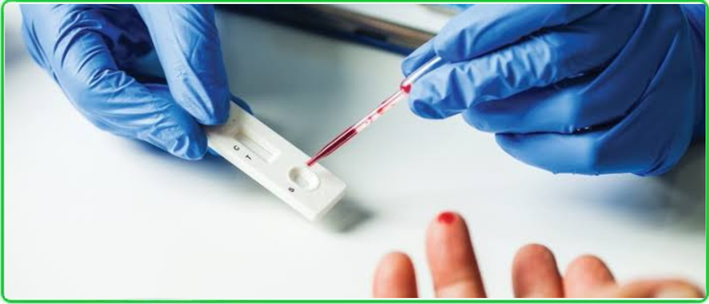
Many infections develop silently without causing noticeable symptoms. However, even in the absence of signs, bacterial, viral, fungal, and sexually transmitted infections (STIs) can lead to chronic inflammation, fertility problems, pregnancy complications, and other serious health conditions. Comprehensive infection screening is an essential part of preventive healthcare and plays a key role in protecting a woman’s reproductive health.

At KindCare Medical Center in Dubai, comprehensive infection testing and treatment are provided by Dr. Surayo Nazarova, Consultant Obstetrician & Gynecologist, MD, PhD, Associate Professor, with more than 30 years of clinical experience. Using advanced laboratory diagnostics and evidence-based medical protocols, Dr. Nazarova can identify infections at an early stage—even before symptoms develop.

Why Is Infection Testing Important?

Many infections remain asymptomatic for months or even years while continuing to damage reproductive organs. Early diagnosis allows timely treatment and significantly reduces the risk of long-term complications.

Without appropriate testing and treatment, infections may lead to:

  • Chronic pelvic inflammatory disease (PID)
  • Infertility
  • Recurrent miscarriage
  • Pregnancy complications
  • Ectopic pregnancy
  • Chronic pelvic pain
  • Cervical dysplasia
  • Increased risk of cervical cancer associated with high-risk Human Papillomavirus (HPV)

Routine infection screening helps detect health problems before they become serious.

When Should You Get Tested?

Your gynecologist may recommend infection testing if you experience:

  • Unusual vaginal discharge
  • Unpleasant odor or changes in vaginal discharge
  • Itching, burning, or irritation in the intimate area
  • Lower abdominal or pelvic pain
  • Pain during sexual intercourse
  • Irregular menstrual cycles
  • Unprotected sexual intercourse
  • Planning a pregnancy
  • Pregnancy
  • Multiple or new sexual partners
  • Routine annual gynecological examinations

Even if you feel completely healthy, preventive testing is recommended because many infections produce no symptoms in their early stages.


Which Infections Can Be Detected?

At KindCare Medical Center, comprehensive laboratory testing is available for a wide range of infections, including:

  • Human Papillomavirus (HPV)
  • Chlamydia
  • Gonorrhea
  • Trichomoniasis
  • Mycoplasma
  • Ureaplasma
  • Genital herpes
  • Candidiasis (yeast infection)
  • Bacterial vaginosis
  • Other bacterial, viral, and fungal infections

Additional laboratory investigations may be recommended based on your medical history and symptoms.

Advanced Diagnostic Methods

To ensure accurate diagnosis, Dr. Surayo Nazarova utilizes modern laboratory techniques, including:

  • PCR (Polymerase Chain Reaction) testing
  • Bacterial cultures
  • Vaginal microbiology (smear testing)
  • Pap smear (cervical cytology)
  • High-risk HPV testing
  • Blood tests for infectious diseases
  • Serological testing

A comprehensive diagnostic approach helps identify the infectious organism, determine disease activity, evaluate antibiotic sensitivity when necessary, and detect chronic inflammatory conditions.

How to Prepare for Infection Testing

To obtain the most reliable results, patients are generally advised to:

  • Avoid sexual intercourse for 24–48 hours before testing.
  • Avoid using vaginal creams, suppositories, antiseptics, or douches unless prescribed.
  • Schedule testing outside of menstruation whenever possible.
  • Follow any additional preparation instructions provided by your physician.

Proper preparation helps maximize the accuracy of laboratory results.

What Happens If an Infection Is Found?

Most infections can be successfully treated when diagnosed early.

Based on your test results, Dr. Surayo Nazarova will develop an individualized treatment plan, which may include:

  • Antibiotic therapy
  • Antiviral medications
  • Antifungal treatment
  • Restoration of healthy vaginal microbiota
  • Follow-up laboratory testing after treatment
  • Examination and treatment of sexual partners when appropriate

Self-medication or inappropriate antibiotic use may lead to antibiotic resistance, recurrent infections, and chronic disease.

Why Choose KindCare Medical Center?

  • Experienced Consultant Obstetrician & Gynecologist with over 30 years of experience.
  • Advanced laboratory diagnostics.
  • Accurate and timely test results.
  • Personalized treatment plans.
  • Comprehensive diagnosis and treatment in one location.
  • Complete privacy and confidentiality.
  • International standards of women’s healthcare.

Schedule Your Infection Screening in Dubai

Routine infection testing is one of the most effective ways to protect your reproductive health, prevent chronic inflammatory diseases, and reduce the risk of long-term complications.

Don’t wait for symptoms to appear. Regular gynecological check-ups and modern laboratory diagnostics allow infections to be detected and treated at the earliest possible stage.

Book a consultation with Dr. Surayo Nazarova at KindCare Medical Center for comprehensive infection testing in Dubai and receive expert, personalized care using the latest diagnostic and treatment methods.

Authors

recent articles

Infection Testing: When and Why Should You Get Tested?

Infection Testing: When and Why Should You Get Tested? Many infections develop silently without causing noticeable symptoms. However, even in the absence of signs, bacterial, viral, fungal, and...

How Hormonal Imbalance Affects Women’s Health

How Hormonal Balance Affects Women’s Health Hormones are biologically active substances that regulate nearly every function in a woman’s body. They influence the menstrual cycle...

Menopause: Myths and Facts

Menopause: Myths and Facts Menopause is a natural stage in every woman’s life, marking the end of reproductive function as ovarian hormone production gradually declines. It typically occurs...

Prevention and Treatment of Inflammatory Diseases of the Cervix

Prevention and Treatment of Inflammatory Diseases of the Cervix Inflammatory diseases of the cervix are among the most common reasons women visit a gynecologist. In many cases, these conditions...
hormonal imbalance

How Hormonal Imbalance Affects Women’s Health

How Hormonal Balance Affects Women's Health

hormonal imbalance

Hormones are biologically active substances that regulate nearly every function in a woman’s body. They influence the menstrual cycle, ovulation, fertility, pregnancy, metabolism, skin and hair health, cardiovascular function, bone density, emotional well-being, and energy levels. Even a minor hormonal imbalance can lead to noticeable symptoms, affect reproductive health, and reduce overall quality of life.

At KindCare Medical Center in Dubai, comprehensive diagnosis and treatment of hormonal disorders are provided by Dr. Surayo Nazarova, Consultant Obstetrician & Gynecologist, MD, PhD, Associate Professor, with more than 30 years of clinical experience. Using advanced laboratory diagnostics and an individualized approach, Dr. Nazarova identifies the underlying cause of hormonal imbalance and develops a personalized treatment plan tailored to each patient’s age, lifestyle, and reproductive goals.

Why Is Hormonal Balance So Important?

The endocrine system functions as a highly coordinated network. A disruption in the production of even one hormone can affect multiple organs and body systems.

Key Female Hormones and Their Functions

  • Estrogen – regulates the menstrual cycle and supports healthy skin, vaginal tissues, bones, and the cardiovascular system.
  • Progesterone – prepares the body for pregnancy, supports implantation, and helps maintain a regular menstrual cycle.
  • Testosterone – contributes to energy levels, muscle strength, libido, and overall well-being.
  • Follicle-Stimulating Hormone (FSH) and Luteinizing Hormone (LH) – regulate ovarian function, ovulation, and egg maturation.
  • Prolactin – is essential for breastfeeding, but elevated levels may interfere with ovulation and fertility.
  • Thyroid Hormones (TSH, Free T3, and Free T4) – regulate metabolism, body weight, mood, heart function, and reproductive health.

Symptoms of Hormonal Imbalance

Hormonal disorders may present differently depending on a woman’s age and the underlying cause.

Common symptoms include:

  • Irregular menstrual cycles
  • Heavy or painful periods
  • Absence of ovulation
  • Difficulty conceiving
  • Unexplained weight gain or weight loss
  • Hair loss
  • Acne and changes in skin quality
  • Fatigue and low energy
  • Mood swings, anxiety, or irritability
  • Sleep disturbances
  • Reduced libido
  • Vaginal dryness
  • Hot flashes and excessive sweating

If you experience any of these symptoms, it is important to seek professional evaluation rather than self-medicating.

Common Causes of Hormonal Disorders

Hormonal imbalance can result from a variety of medical and lifestyle factors, including:

  • Chronic stress
  • Thyroid disorders
  • Polycystic Ovary Syndrome (PCOS)
  • Pituitary gland disorders
  • Pelvic inflammatory diseases
  • Vitamin and mineral deficiencies
  • Poor nutrition
  • Obesity or rapid weight loss
  • Perimenopause and menopause
  • Other endocrine disorders

Accurate diagnosis is essential to determine the exact cause and provide appropriate treatment.

Advanced Hormonal Assessment at KindCare Medical Center

To evaluate hormonal health, Dr. Surayo Nazarova may recommend:

  • Female hormone blood tests performed on specific days of the menstrual cycle
  • Thyroid function testing (TSH, Free T3, and Free T4)
  • Prolactin, Anti-Müllerian Hormone (AMH), and additional hormone testing when indicated
  • Pelvic ultrasound
  • Follicular monitoring (folliculometry) to assess ovulation
  • Endocrinology consultation when necessary

A comprehensive diagnostic approach allows early detection of hormonal disorders and helps create the most effective individualized treatment plan.

Modern Treatment for Hormonal Imbalance

Treatment is always personalized according to the underlying cause and the patient’s health goals.

Your treatment plan may include:

  • Medical therapy to correct hormone deficiencies or excess hormone production
  • Modern hormonal contraceptives to regulate the menstrual cycle
  • Bioidentical Hormone Replacement Therapy (BHRT) for women experiencing symptoms of perimenopause or menopause
  • Management of thyroid disorders in collaboration with an endocrinologist
  • Nutritional counseling
  • Correction of vitamin and mineral deficiencies
  • Lifestyle recommendations, including exercise, stress management, and healthy sleep habits

This comprehensive approach focuses not only on relieving symptoms but also on addressing the underlying cause of hormonal imbalance.

Why Choose KindCare Medical Center?

  • More than 30 years of expertise in women’s health.
  • Advanced hormonal laboratory diagnostics.
  • Personalized treatment plans for every patient.
  • International standards of gynecological and endocrine care.
  • Comprehensive diagnostic services in one location.
  • Complete privacy, comfort, and compassionate medical care.

Schedule Your Hormonal Health Assessment

Hormonal balance plays a vital role in every aspect of a woman’s health—from reproductive function and fertility to physical appearance, emotional well-being, and long-term health. Early diagnosis and appropriate treatment can prevent complications, restore hormonal balance, and significantly improve quality of life.

Book a consultation with Dr. Surayo Nazarova at KindCare Medical Center for a comprehensive hormonal evaluation in Dubai. With advanced diagnostic technologies, evidence-based treatment, and personalized care, we help women restore hormonal balance and maintain optimal health at every stage of life.

recent articles

Infection Testing: When and Why Should You Get Tested?

Infection Testing: When and Why Should You Get Tested? Many infections develop silently without causing noticeable symptoms. However, even in the absence of signs, bacterial, viral, fungal, and...

How Hormonal Imbalance Affects Women’s Health

How Hormonal Balance Affects Women’s Health Hormones are biologically active substances that regulate nearly every function in a woman’s body. They influence the menstrual cycle...

Menopause: Myths and Facts

Menopause: Myths and Facts Menopause is a natural stage in every woman’s life, marking the end of reproductive function as ovarian hormone production gradually declines. It typically occurs...

Prevention and Treatment of Inflammatory Diseases of the Cervix

Prevention and Treatment of Inflammatory Diseases of the Cervix Inflammatory diseases of the cervix are among the most common reasons women visit a gynecologist. In many cases, these conditions...
Menopause

Menopause: Myths and Facts

Menopause: Myths and Facts

Menopause

Menopause is a natural stage in every woman’s life, marking the end of reproductive function as ovarian hormone production gradually declines. It typically occurs between the ages of 45 and 55, although hormonal changes often begin several years earlier during perimenopause. Despite being a normal biological process, menopause is surrounded by many misconceptions that prevent women from seeking medical care and receiving effective treatment for symptoms that can significantly affect their quality of life.

Today, modern gynecology offers safe and evidence-based solutions to manage menopausal symptoms, reduce long-term health risks, and help women maintain an active, healthy lifestyle.

At KindCare Medical Center in Dubai, women receive comprehensive menopause care from Dr. Surayo Nazarova, Consultant Obstetrician & Gynecologist, MD, PhD, Associate Professor, with more than 30 years of clinical experience. She follows international medical guidelines and develops individualized treatment plans, including bioidentical hormone replacement therapy (BHRT) when clinically appropriate.

Myth 1: Menopause Is a Disease

Fact: Menopause is not an illness. It is a natural biological transition caused by declining estrogen production.

However, hormonal changes can cause a variety of symptoms and increase the risk of certain medical conditions. Regular follow-up with an experienced gynecologist helps women maintain their health and prevent complications.

Myth 2: Hot Flashes and Sleep Problems Are Something You Just Have to Live With

Fact: Hot flashes, night sweats, insomnia, mood changes, anxiety, and fatigue are among the most common symptoms of menopause, but they should not simply be tolerated.

Modern menopause treatment can significantly reduce or even eliminate these symptoms. Depending on your medical history and individual needs, treatment may include lifestyle modifications, non-hormonal therapies, or personalized bioidentical hormone replacement therapy (BHRT).

Myth 3: Hormone Therapy Is Dangerous for Every Woman

Fact: This is one of the most common misconceptions.

Modern bioidentical hormone replacement therapy (BHRT) is prescribed only after a comprehensive medical evaluation and careful assessment of potential risks and contraindications. When appropriately selected and monitored by an experienced physician, BHRT is considered safe and highly effective for many women.

In addition to relieving menopausal symptoms, hormone therapy may help:

  • Maintain bone density
  • Reduce the risk of osteoporosis
  • Support cardiovascular health
  • Improve vaginal health and relieve dryness
  • Enhance sleep quality
  • Improve sexual health and overall quality of life

Myth 4: You No Longer Need a Gynecologist After Menopause

Fact: Regular gynecological examinations become even more important after menopause.

As women age, the risk of developing conditions such as:

  • Endometrial hyperplasia
  • Endometrial polyps
  • Cervical disease
  • Ovarian cysts and tumors
  • Endometrial cancer
  • Cervical cancer
  • Breast diseases

continues to increase.

Even women without symptoms should have a comprehensive gynecological examination at least once a year.

When Should You See a Gynecologist?

Schedule an appointment if you experience:

  • Frequent or severe hot flashes
  • Night sweats
  • Sleep disturbances
  • Mood swings or anxiety
  • Reduced libido
  • Vaginal dryness, burning, or discomfort
  • Pain during intercourse
  • Urinary leakage
  • Frequent urination
  • Any vaginal bleeding after menopause

Postmenopausal bleeding should always be evaluated promptly by a gynecologist.

Comprehensive Menopause Assessment at KindCare Medical Center

To evaluate your health and develop the most appropriate treatment plan, Dr. Surayo Nazarova may recommend:

  • Comprehensive gynecological examination
  • Pelvic ultrasound
  • Hormonal blood tests
  • Pap smear and HPV screening
  • Colposcopy when indicated
  • Mammography or breast ultrasound
  • Bone mineral density assessment (DEXA scan)
  • Endocrinology consultation when necessary

This comprehensive approach helps detect potential health problems early and allows treatment to be tailored to each woman’s individual needs.

Modern Menopause Treatment

At KindCare Medical Center, every treatment plan is personalized.

Depending on your symptoms and examination results, your care may include:

  • Bioidentical Hormone Replacement Therapy (BHRT)
  • Non-hormonal treatment options
  • Management of vaginal dryness and genitourinary syndrome of menopause
  • Nutritional and lifestyle counseling
  • Correction of vitamin D, calcium, and other nutritional deficiencies
  • Osteoporosis prevention
  • Advanced aesthetic gynecology treatments to improve intimate health, vaginal tissue quality, and overall quality of life

Why Choose KindCare Medical Center?

  • More than 30 years of expertise in women’s health.
  • International standards of gynecological care.
  • Personalized menopause management.
  • Comprehensive diagnostic services in one location.
  • Holistic approach to women’s health.
  • Complete privacy, comfort, and compassionate care.

Take Control of Your Health During Menopause

Menopause is not the end of an active life—it is the beginning of a new stage that can be lived with confidence, comfort, and excellent health. With early evaluation and individualized treatment, most menopausal symptoms can be effectively managed while reducing the risk of future health complications.

Book a consultation with Dr. Surayo Nazarova at KindCare Medical Center for expert menopause treatment in Dubai and receive a personalized care plan based on the latest evidence-based medical guidelines and modern bioidentical hormone therapy when appropriate.

recent articles

Infection Testing: When and Why Should You Get Tested?

Infection Testing: When and Why Should You Get Tested? Many infections develop silently without causing noticeable symptoms. However, even in the absence of signs, bacterial, viral, fungal, and...

How Hormonal Imbalance Affects Women’s Health

How Hormonal Balance Affects Women’s Health Hormones are biologically active substances that regulate nearly every function in a woman’s body. They influence the menstrual cycle...

Menopause: Myths and Facts

Menopause: Myths and Facts Menopause is a natural stage in every woman’s life, marking the end of reproductive function as ovarian hormone production gradually declines. It typically occurs...

Prevention and Treatment of Inflammatory Diseases of the Cervix

Prevention and Treatment of Inflammatory Diseases of the Cervix Inflammatory diseases of the cervix are among the most common reasons women visit a gynecologist. In many cases, these conditions...
Cervix

Prevention and Treatment of Inflammatory Diseases of the Cervix

Prevention and Treatment of Inflammatory Diseases of the Cervix

Cervix

Inflammatory diseases of the cervix are among the most common reasons women visit a gynecologist. In many cases, these conditions develop without noticeable symptoms and are discovered only during a routine gynecological examination. However, the absence of symptoms does not mean the condition is harmless. Chronic cervical inflammation may lead to structural changes in cervical tissue, reproductive health problems, cervical dysplasia, and, if left untreated, may increase the risk of precancerous and cancerous changes.

At KindCare Medical Center, diagnosis and treatment of cervical diseases are provided by Dr. Surayo Nazarova, Consultant Obstetrician & Gynecologist, MD, PhD, Associate Professor, with more than 30 years of clinical experience. She follows international evidence-based guidelines and develops an individualized treatment plan based on each patient’s age, reproductive goals, medical history, and diagnostic findings.

What Are Inflammatory Diseases of the Cervix?

The cervix serves as a protective barrier, preventing infections from entering the uterus. When this natural defense is compromised, inflammatory and pathological conditions may develop.

The most common cervical conditions include:

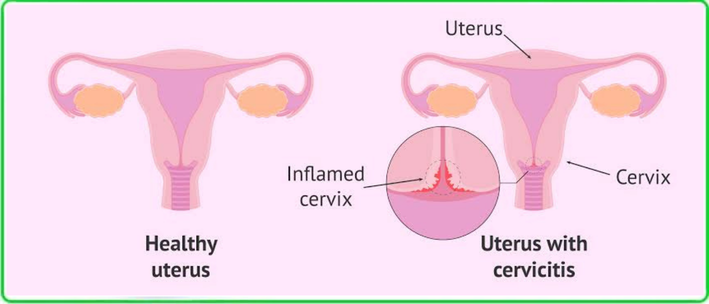
  • Cervicitis – inflammation of the cervical lining caused by bacterial, viral, or fungal infections.
  • True cervical erosion – damage to the cervical epithelium resulting from infection, inflammation, or trauma.
  • Cervical ectopy (pseudo-erosion) – displacement of glandular cells onto the outer surface of the cervix. This is often a normal physiological finding in young women but requires proper evaluation.
  • Cervical dysplasia – abnormal changes in cervical cells considered a precancerous condition that requires careful monitoring and, when necessary, treatment.

It is important to understand that not every cervical erosion requires surgical treatment. Only a comprehensive gynecological examination can determine whether the findings represent a normal anatomical variation or a condition requiring medical intervention.

Common Causes

Several factors may contribute to the development of cervical inflammation, including:

  • Sexually transmitted infections (HPV, chlamydia, gonorrhea, mycoplasma, herpes, and others)
  • Chronic bacterial or fungal infections
  • Vaginal microbiome imbalance
  • Hormonal changes
  • Cervical trauma following childbirth, miscarriage, or gynecological procedures
  • Weakened immune system
  • Chronic pelvic inflammatory disease

Symptoms You Should Never Ignore

Many women experience no symptoms in the early stages, making regular gynecological check-ups essential.

When symptoms occur, they may include:

  • Unusual vaginal discharge with an unpleasant odor
  • Bleeding after sexual intercourse or a gynecological examination
  • Lower abdominal discomfort or pelvic pain
  • Burning or itching in the intimate area
  • Pain during sexual intercourse
  • Menstrual irregularities

Any of these symptoms should prompt an appointment with a gynecologist as soon as possible.

Advanced Diagnosis at KindCare Medical Center

To establish an accurate diagnosis, Dr. Surayo Nazarova may recommend:

  • Comprehensive gynecological examination
  • Video colposcopy with extended colposcopic evaluation
  • Pap smear (liquid-based cervical cytology)
  • High-risk HPV testing
  • PCR testing for genital infections
  • Bacteriological cultures
  • Pelvic ultrasound examination
  • Targeted cervical biopsy with histopathological analysis when indicated

A comprehensive diagnostic approach not only identifies the underlying cause of inflammation but also enables early detection of precancerous and malignant cervical conditions.

Modern Treatment Options

Treatment is tailored individually according to the diagnosis and underlying cause.

At KindCare Medical Center, available treatment options include:

  • Medical therapy (antibiotics, antiviral, or antifungal medications)
  • Restoration of healthy vaginal microbiota
  • Anti-inflammatory treatment
  • Radiofrequency cervical treatment
  • Laser treatment for cervical lesions
  • Cryotherapy (cryodestruction)
  • Advanced regenerative therapies, including Sciton diVa, which supports vaginal mucosal regeneration and improves tissue quality in women with chronic inflammatory changes, postpartum tissue damage, or age-related vaginal changes
  • Surgical treatment only when clinically indicated

Each treatment plan is developed after a thorough evaluation to ensure the safest and most effective outcome.

How to Reduce the Risk of Cervical Disease

Preventive care plays a crucial role in protecting cervical health.

Doctors recommend:

  • Annual gynecological examinations
  • Regular Pap smears and HPV screening according to age and medical recommendations
  • Early diagnosis and treatment of genital infections
  • Practicing safe sex by using barrier protection
  • Maintaining a healthy immune system
  • Avoiding self-medication and unnecessary antibiotic use
  • Receiving HPV vaccination when appropriate

Why Early Treatment Matters

Without timely medical care, inflammatory cervical diseases may become chronic, cause cervical scarring, affect fertility, complicate future pregnancies, and increase the risk of cervical dysplasia and cervical cancer.

Early diagnosis dramatically improves treatment success and helps preserve women’s reproductive health.

Schedule Your Consultation at KindCare Medical Center

If you are experiencing unusual discharge, pelvic discomfort, postcoital bleeding, or if it has been more than a year since your last gynecological examination, schedule a consultation with Dr. Surayo Nazarova at KindCare Medical Center. Our comprehensive diagnostic services, evidence-based treatment, and personalized approach help detect cervical conditions early, provide effective treatment, and protect your long-term reproductive health.

recent articles

Infection Testing: When and Why Should You Get Tested?

Infection Testing: When and Why Should You Get Tested? Many infections develop silently without causing noticeable symptoms. However, even in the absence of signs, bacterial, viral, fungal, and...

How Hormonal Imbalance Affects Women’s Health

How Hormonal Balance Affects Women’s Health Hormones are biologically active substances that regulate nearly every function in a woman’s body. They influence the menstrual cycle...

Menopause: Myths and Facts

Menopause: Myths and Facts Menopause is a natural stage in every woman’s life, marking the end of reproductive function as ovarian hormone production gradually declines. It typically occurs...

Prevention and Treatment of Inflammatory Diseases of the Cervix

Prevention and Treatment of Inflammatory Diseases of the Cervix Inflammatory diseases of the cervix are among the most common reasons women visit a gynecologist. In many cases, these conditions...
Intimate health after childbirth

Intimate Health After Childbirth: How to Restore Comfort and Confidence

Intimate Health After Childbirth: How to Restore Comfort and Confidence

Intimate health after childbirth

Postpartum Recovery in Dubai | Gynecologist at KindCare Medical Center

Childbirth places significant stress on a woman’s body, particularly on the pelvic floor muscles and vaginal tissues. After delivery, many women experience discomfort, reduced vaginal tone, dryness, decreased sensitivity, and sometimes urinary leakage. These changes are common and natural — but they should not be ignored.

At KindCare Medical Center, postpartum recovery in Dubai is led by Dr. Surayo Nazarova, MD, PhD, an experienced obstetrician-gynecologist with over 30 years of practice. The clinic offers advanced, minimally invasive solutions for restoring intimate health after childbirth.

Common Postpartum Changes

  • Vaginal muscle relaxation
    • Reduced elasticity of vaginal tissues
    • Scarring after tears or episiotomy
    • Hormonal changes causing dryness
    • Stress urinary incontinence
    • Feeling of pelvic heaviness

If you experience these symptoms, consulting a qualified gynecologist in Dubai is essential for early evaluation and treatment.

Modern Postpartum Recovery Treatments in Dubai

Sciton diVa Vaginal Laser Treatment Dubai

This advanced laser procedure stimulates collagen production, improves blood circulation, enhances tissue tone, and restores vaginal moisture. It is safe, minimally invasive, and requires little downtime.

 PRP Therapy Dubai

Platelet-rich plasma injections promote tissue healing and regeneration, improving sensitivity and mucosal recovery.

 Pelvic Floor Therapy & Kegel Exercises

Strengthens muscles and supports effective urinary incontinence treatment in Dubai.

 Hormonal Therapy

Recommended when significant hormonal imbalance or vaginal atrophy is present.

Why Early Recovery Matters

Without proper rehabilitation, symptoms may worsen over time, leading to chronic inflammation, decreased quality of intimate life, and pelvic organ prolapse. Early intervention significantly improves long-term outcomes.

Why Choose KindCare Medical Center

Modern non-surgical technologies
Personalized treatment plans
Expert medical supervision
Confidential and supportive environment
Comprehensive women’s health care in Dubai

Conclusion

Postpartum intimate health is an important part of overall well-being. Modern gynecology in Dubai offers safe and effective ways to restore vaginal tone, comfort, and confidence after childbirth.

 Book your consultation with Dr. Surayo Nazarova at KindCare Medical Center to receive a personalized postpartum recovery plan in Dubai.

recent articles

Infection Testing: When and Why Should You Get Tested?

Infection Testing: When and Why Should You Get Tested? Many infections develop silently without causing noticeable symptoms. However, even in the absence of signs, bacterial, viral, fungal, and...

How Hormonal Imbalance Affects Women’s Health

How Hormonal Balance Affects Women’s Health Hormones are biologically active substances that regulate nearly every function in a woman’s body. They influence the menstrual cycle...

Menopause: Myths and Facts

Menopause: Myths and Facts Menopause is a natural stage in every woman’s life, marking the end of reproductive function as ovarian hormone production gradually declines. It typically occurs...

Prevention and Treatment of Inflammatory Diseases of the Cervix

Prevention and Treatment of Inflammatory Diseases of the Cervix Inflammatory diseases of the cervix are among the most common reasons women visit a gynecologist. In many cases, these conditions...
gynecology after 40

Gynecology After 40: What Every Woman Should Check

Gynecology After 40: What Every Woman Should Check

gynecology after 40

Gynecologist in Dubai | Women’s Health 40+ at KindCare Medical Center

After the age of 40, a woman’s body begins to undergo significant hormonal changes. Estrogen levels gradually decline, menstrual cycles may become irregular, and new health risks emerge. This stage of life requires increased attention to preventive care and regular visits to a trusted gynecologist in Dubai.

At KindCare Medical Center, consultations are led by Dr. Surayo Nazarova, MD, PhD, Associate Professor and experienced obstetrician-gynecologist with over 30 years of practice. She helps women navigate perimenopause and menopause comfortably while maintaining health, vitality, and confidence.

Why Age 40+ Is a Special Period

  • Beginning of perimenopause with hormonal fluctuations
    • Changes in fertility and menstrual patterns
    • Increased risk of fibroids, ovarian cysts, endometriosis, and tumors
    • Higher risk of osteoporosis and cardiovascular disease due to estrogen decline

Regular screening with a women’s health specialist in Dubai is essential for early detection and prevention.

Essential Screenings After 40

  1. Annual Gynecological Examination

A comprehensive pelvic exam should be performed at least once a year, or every 6 months if chronic conditions are present.

  1. Pelvic Ultrasound in Dubai

Helps detect fibroids, cysts, polyps, and inflammatory conditions. Recommended annually.

  1. Pap Smear (Cervical Cancer Screening)

A Pap smear in Dubai identifies precancerous and cancerous changes in the cervix. Typically recommended every 1–3 years depending on previous results.

  1. Colposcopy

Performed when indicated or as preventive screening every 2–3 years.

  1. Mammogram or Breast Ultrasound

A mammogram in Dubai is recommended every 1–2 years after 40, especially with family history of breast cancer.

  1. Hormonal Testing

Evaluates menopausal status and helps determine whether hormone replacement therapy (HRT) is needed.

  1. Infection Screening

Periodic testing prevents chronic inflammation and long-term complications.

Comprehensive Care at KindCare Medical Center

Dr. Nazarova provides an integrative approach to women’s health after 40. When needed, additional services include:

  • Endocrinology consultation
    • Bone density testing (DEXA scan)
    • Cardiovascular assessment
    • Personalized hormone replacement therapy (HRT)

This menopause clinic in Dubai focuses on both reproductive and overall health.

Prevention Tips for Women Over 40

  • Maintain a healthy weight and stay physically active
    • Ensure adequate calcium and vitamin D intake
    • Avoid smoking and limit alcohol
    • Attend regular screenings even without symptoms

Conclusion

Women’s health after 40 requires proactive monitoring. Early diagnosis and preventive care significantly reduce the risk of serious conditions and preserve quality of life.

 Book your appointment with a gynecologist in Dubai at KindCare Medical Center for comprehensive screening and personalized care during this important stage of life.

recent articles

Infection Testing: When and Why Should You Get Tested?

Infection Testing: When and Why Should You Get Tested? Many infections develop silently without causing noticeable symptoms. However, even in the absence of signs, bacterial, viral, fungal, and...

How Hormonal Imbalance Affects Women’s Health

How Hormonal Balance Affects Women’s Health Hormones are biologically active substances that regulate nearly every function in a woman’s body. They influence the menstrual cycle...

Menopause: Myths and Facts

Menopause: Myths and Facts Menopause is a natural stage in every woman’s life, marking the end of reproductive function as ovarian hormone production gradually declines. It typically occurs...

Prevention and Treatment of Inflammatory Diseases of the Cervix

Prevention and Treatment of Inflammatory Diseases of the Cervix Inflammatory diseases of the cervix are among the most common reasons women visit a gynecologist. In many cases, these conditions...
Treatment of Inflamatory diseases

Treatment of Inflammatory Diseases of the Female Reproductive System

Treatment of Inflammatory Diseases of the Female Reproductive System

Treatment of Inflamatory diseases

Inflammatory diseases of the female reproductive system are among the most common reasons women seek gynecological care. These conditions may present acutely with pronounced symptoms or develop chronically, when signs are mild but the disease gradually affects menstrual regularity, fertility, and overall well-being. Without timely treatment, chronic inflammation can lead to serious complications, including infertility and chronic pelvic pain.

At KindCare Medical Center, treatment of gynecological inflammatory conditions is provided by Dr. Surayo Nazarova, OB-GYN, MD, Associate Professor, with more than 30 years of clinical experience. Her approach combines modern diagnostic methods with evidence-based international treatment protocols to ensure safe and effective recovery.

Main Causes of Gynecological Inflammation

The most common causes include:

  • sexually transmitted infections (STIs), such as chlamydia, gonorrhea, trichomoniasis, mycoplasma, and ureaplasma;
  • nonspecific bacterial infections caused by imbalance of vaginal microflora;
  • viral infections, including human papillomavirus (HPV) and herpes virus;
  • hypothermia, which reduces local immune defense;
  • hormonal imbalances that weaken the protective function of the mucosa.

Symptoms That Should Not Be Ignored

You should consult a gynecologist promptly if you experience:

  • abnormal vaginal discharge with unpleasant odor or unusual color;
  • itching, burning, or dryness in the intimate area;
  • pain during sexual intercourse;
  • persistent lower abdominal pain;
  • menstrual cycle irregularities;
  • fever in acute inflammatory conditions.

Even mild discomfort may indicate a serious problem. Self-treatment often leads to chronic disease and complications.

Types of Inflammatory Gynecological Conditions

Common inflammatory diseases include:

  • vulvitis — inflammation of the external genital area;
  • vaginitis (colpitis) — inflammation of the vaginal mucosa;
  • cervicitis — inflammation of the cervix;
  • endometritis — inflammation of the uterine lining;
  • salpingo-oophoritis — inflammation of the fallopian tubes and ovaries.

Diagnostic Approach at KindCare Medical Center

Accurate diagnosis is essential for effective treatment. Evaluation may include:

  • gynecological examination;
  • pelvic ultrasound;
  • vaginal smear for microflora;
  • PCR testing for infections;
  • bacterial culture with antibiotic sensitivity testing.

Principles of Treatment

Treatment is individualized and may involve:

  1. Etiological therapy — antibiotics, antiviral, or antifungal medications targeting the underlying cause.
  2. Local therapy — vaginal suppositories, creams, and antiseptic solutions.
  3. Restoration of vaginal microflora — probiotics and prebiotics.
  4. Physiotherapy — laser and magnetic therapies to improve blood circulation and tissue regeneration.
  5. Supportive care — vitamins, dietary correction, and management of associated conditions.

Prevention of Inflammatory Diseases

To reduce the risk of gynecological inflammation, it is recommended to:

  • maintain proper intimate hygiene;
  • use barrier contraception with new or casual partners;
  • avoid hypothermia;
  • refrain from using aggressive intimate care products;
  • undergo preventive gynecological check-ups at least once a year.

Advantages of Treatment at KindCare Medical Center

  • individualized treatment plans based on laboratory results;
  • modern medications with minimal side effects;
  • advanced restorative technologies, including Sciton diVa for chronic inflammation and mucosal health improvement;
  • complete confidentiality and a respectful, patient-centered approach.

Conclusion

Inflammatory diseases of the female reproductive system require timely diagnosis and professional treatment. Early medical care significantly increases the chances of full recovery without long-term consequences for reproductive health.

Book a consultation with Dr. Surayo Nazarova at KindCare Medical Center (Dubai) to receive an accurate diagnosis and effective treatment in a comfortable and confidential environment.

recent articles

Infection Testing: When and Why Should You Get Tested?

Infection Testing: When and Why Should You Get Tested? Many infections develop silently without causing noticeable symptoms. However, even in the absence of signs, bacterial, viral, fungal, and...

How Hormonal Imbalance Affects Women’s Health

How Hormonal Balance Affects Women’s Health Hormones are biologically active substances that regulate nearly every function in a woman’s body. They influence the menstrual cycle...

Menopause: Myths and Facts

Menopause: Myths and Facts Menopause is a natural stage in every woman’s life, marking the end of reproductive function as ovarian hormone production gradually declines. It typically occurs...

Prevention and Treatment of Inflammatory Diseases of the Cervix

Prevention and Treatment of Inflammatory Diseases of the Cervix Inflammatory diseases of the cervix are among the most common reasons women visit a gynecologist. In many cases, these conditions...
preventive gynecologiccal checkup

Preventive Gynecological Check-Up: Once a Year Is Essential

Preventive Gynecological Check-Up: Once a Year Is Essential

preventive gynecologiccal checkup

Regular visits to a gynecologist are the foundation of women’s health care. Even if you feel well, important changes can occur in the body without obvious symptoms. A preventive gynecological check-up helps detect hidden conditions at an early stage, prevent complications, and preserve reproductive and hormonal health for many years.

At KindCare Medical Center, consultations are provided by Dr. Surayo Nazarova, OB-GYN, MD, Associate Professor, with more than 30 years of clinical experience. Her approach combines international diagnostic standards with personalized, attentive care for every patient.

Why a Preventive Gynecological Examination Is Important

An annual gynecological check-up allows:

  • early detection of conditions such as cervical erosion, ovarian cysts, uterine fibroids, polyps, and inflammatory diseases, which often develop without symptoms;
  • prevention of complications and chronic progression of untreated conditions;
  • monitoring of hormonal health, especially after the age of 35–40 and during menopause;
  • proper preparation for pregnancy by identifying and correcting potential risks in advance.

What Is Included in a Preventive Visit at KindCare Medical Center

A comprehensive gynecological examination includes:

  1. Medical history and consultation
    The doctor discusses symptoms, menstrual cycle characteristics, past illnesses, medications, and reproductive plans.
  2. Gynecological examination
    Assessment of the external genital area, vagina, and cervix using standard clinical techniques.
  3. Pelvic ultrasound (U/S)
    Helps identify hidden abnormalities and evaluate the size and structure of the uterus and ovaries.
  4. Vaginal swab and Pap smear (cytology)
    Used to detect infections, microflora imbalance, and precancerous cervical changes.
  5. Colposcopy
    Performed when indicated for a detailed examination of the cervix under magnification.

How Often Should You See a Gynecologist?

  • women under 40 — once a year, even without symptoms;
  • women over 40 or with chronic conditions — every 6–8 months;
  • in case of cycle irregularities, pain, abnormal discharge, or discomfort — immediately, without waiting for a scheduled visit.

Conditions Commonly Detected During Preventive Exams

  • cervical erosion or ectopy;
  • vaginitis and cervicitis;
  • uterine fibroids;
  • ovarian cysts;
  • hormonal imbalances.

Why Experience Matters

Accurate diagnosis depends not only on equipment but also on the physician’s expertise. Dr. Surayo Nazarova carefully interprets test results, explains findings in detail, and develops an individualized treatment and prevention plan for each patient.

How to Prepare for Your Appointment

  • schedule the visit outside menstruation (ideally days 4–7 of the cycle);
  • avoid vaginal douching or intimate products on the day of the exam;
  • refrain from sexual intercourse 1–2 days before the appointment.

Advantages of Preventive Care at KindCare Medical Center

  • expert-class diagnostic equipment;
  • complete confidentiality;
  • possibility to complete all examinations in one visit;
  • personalized approach and a comfortable, respectful environment.

Conclusion

A preventive gynecological check-up once a year is not a formality but a key step toward long-term health, disease prevention, and quality of life.

📍 Book your appointment with Dr. Surayo Nazarova at KindCare Medical Center (Dubai) and receive a comprehensive gynecological evaluation in one visit.

recent articles

Infection Testing: When and Why Should You Get Tested?

Infection Testing: When and Why Should You Get Tested? Many infections develop silently without causing noticeable symptoms. However, even in the absence of signs, bacterial, viral, fungal, and...

How Hormonal Imbalance Affects Women’s Health

How Hormonal Balance Affects Women’s Health Hormones are biologically active substances that regulate nearly every function in a woman’s body. They influence the menstrual cycle...

Menopause: Myths and Facts

Menopause: Myths and Facts Menopause is a natural stage in every woman’s life, marking the end of reproductive function as ovarian hormone production gradually declines. It typically occurs...

Prevention and Treatment of Inflammatory Diseases of the Cervix

Prevention and Treatment of Inflammatory Diseases of the Cervix Inflammatory diseases of the cervix are among the most common reasons women visit a gynecologist. In many cases, these conditions...
colposcopic

Colposcopy: Why It Is Needed and What It Shows

Colposcopy: Why It Is Needed and What It Shows

colposcopic

Colposcopy is a modern and highly informative diagnostic procedure used to examine the cervix, vagina, and external genital area with the help of a special optical device — a colposcope. This instrument allows the doctor to view tissues under 10–40× magnification, detect even minimal abnormalities, and, if necessary, perform a targeted biopsy immediately.

The procedure is safe, painless, and performed on an outpatient basis, usually taking 10–20 minutes. At KindCare Medical Center, colposcopy is performed by Dr. Surayo Nazarova, OB-GYN, MD, Associate Professor, with more than 30 years of clinical experience, ensuring accurate diagnosis and expert interpretation.

When Is Colposcopy Recommended?

Colposcopy is commonly prescribed in the following situations:

  • abnormal Pap smear (cervical cytology) results;
  • suspected cervical erosion or ectopy;
  • inflammatory conditions of the cervix (cervicitis);
  • unusual vaginal discharge or unpleasant odor;
  • abnormal bleeding outside menstruation;
  • pain or bleeding during or after sexual intercourse;
  • routine preventive screening for women over 30 years old.

What Does Colposcopy Show?

Colposcopic examination allows the physician to:

  • assess the condition of the cervical and vaginal mucosa;
  • detect cervical erosion, dysplasia, polyps, papillomas, and genital warts;
  • identify precancerous and early malignant changes at an early stage;
  • determine inflammatory foci and their severity;
  • monitor the effectiveness of ongoing or completed treatment.

Types of Colposcopy

  1. Simple Colposcopy
    Visual examination under magnification without chemical solutions. Used for general assessment.
  2. Extended Colposcopy
    Performed using acetic acid and Lugol’s iodine solution. These reagents highlight abnormal tissue areas by causing characteristic color changes.
  3. Video Colposcopy
    The image is displayed on a screen, allowing photo and video documentation. Patients can see the examination process, and results can be stored for future comparison.

How the Procedure Is Performed at KindCare Medical Center

  1. Preparation — no special preparation is required; the best time is shortly after menstruation ends.
  2. Examination — the patient sits in a gynecological chair while the doctor performs the examination using a colposcope.
  3. Result evaluation — findings are explained immediately, and a biopsy may be taken if needed.

Benefits of Colposcopy

  • early detection of cervical diseases, including precancerous conditions;
  • high diagnostic accuracy;
  • no anesthesia or tissue trauma;
  • targeted biopsy from suspicious areas;
  • effective monitoring of treatment results.

How Often Should Colposcopy Be Performed?

  • women over 30 years — once every 2–3 years for preventive screening;
  • in case of abnormal cytology — as recommended by a physician (often annually);
  • after treatment of cervical conditions — for follow-up evaluation.

Conclusion

Colposcopy is a fast, safe, and highly effective diagnostic method that plays a key role in protecting women’s health and preventing cervical cancer.

📍 Book your colposcopy at KindCare Medical Center (Dubai) to receive expert evaluation and peace of mind under the care of an experienced specialist.

recent articles

Infection Testing: When and Why Should You Get Tested?

Infection Testing: When and Why Should You Get Tested? Many infections develop silently without causing noticeable symptoms. However, even in the absence of signs, bacterial, viral, fungal, and...

How Hormonal Imbalance Affects Women’s Health

How Hormonal Balance Affects Women’s Health Hormones are biologically active substances that regulate nearly every function in a woman’s body. They influence the menstrual cycle...

Menopause: Myths and Facts

Menopause: Myths and Facts Menopause is a natural stage in every woman’s life, marking the end of reproductive function as ovarian hormone production gradually declines. It typically occurs...

Prevention and Treatment of Inflammatory Diseases of the Cervix

Prevention and Treatment of Inflammatory Diseases of the Cervix Inflammatory diseases of the cervix are among the most common reasons women visit a gynecologist. In many cases, these conditions...
gynecological ultrasound

Gynecological Ultrasound: Why It Is Needed and How Often It Should Be Done

Gynecological Ultrasound: Why It Is Needed and How Often It Should Be Done

gynecological ultrasound

Ultrasound examination (US) is one of the most accurate, informative, and safe diagnostic methods in modern gynecology. Gynecological ultrasound allows doctors to detect diseases at an early stage, monitor treatment progress, assess pelvic organ health, and safely follow pregnancy development. Ultrasound involves no radiation exposure, is painless, and can be performed at any age.

At KindCare Medical Center, gynecological ultrasound is performed using expert-class diagnostic equipment, ensuring high-resolution imaging and minimizing diagnostic errors. Examinations are conducted by Dr. Surayo Nazarova, OB-GYN, MD, Associate Professor, with over 30 years of clinical experience. The ultrasound method and scope are selected individually based on each patient’s needs and clinical goals.

Why Gynecological Ultrasound Is Prescribed

Gynecological ultrasound is a universal diagnostic tool that provides a comprehensive assessment of the female reproductive system.

Main indications include:

  • diagnosis of conditions such as ovarian cysts, uterine fibroids, endometriosis, endometrial polyps, and congenital anomalies;
  • detection of inflammatory diseases of the uterus, fallopian tubes, and ovaries;
  • pregnancy monitoring: confirming gestational age, assessing fetal growth, placental condition, and amniotic fluid volume;
  • evaluation of reproductive health in cases of infertility or menstrual cycle disorders;
  • preventive screening for early detection of pathology in asymptomatic women.

Types of Gynecological Ultrasound

Depending on the clinical situation, one or more ultrasound methods may be used:

  1. Transabdominal Ultrasound
    Performed through the abdominal wall. Commonly used for general pelvic assessment and during pregnancy at early and late stages.
  2. Transvaginal Ultrasound
    A specialized probe is inserted vaginally, allowing high-detail visualization of pelvic organs. This is the preferred method for diagnosing uterine and ovarian conditions.
  3. Transrectal Ultrasound
    Used mainly in adolescents or women who are not sexually active when transvaginal ultrasound is not appropriate.
  4. Doppler Ultrasound
    Evaluates blood flow in pelvic vessels. Used during pregnancy and when assessing tumors or tissue perfusion disorders.
  5. 3D–4D Ultrasound
    Provides volumetric imaging, often used in pregnancy and for advanced diagnostic clarification.

How to Prepare for Ultrasound

  • Transabdominal ultrasound: drink 0.5–1 liter of water one hour before the exam to fill the bladder.
  • Transvaginal ultrasound: performed with an empty bladder.
  • Avoid gas-producing foods for 1–2 days before the exam.

How Often Should Gynecological Ultrasound Be Done?

  • Once a year for preventive screening in women of reproductive age;
  • when planning pregnancy — before conception and as advised;
  • during pregnancy — at least 3–4 times (screening ultrasounds);
  • in case of symptoms — as prescribed by a physician, sometimes during the same visit.

Advantages of Ultrasound at KindCare Medical Center

  • expert-level ultrasound equipment;
  • multiple ultrasound types available in one appointment;
  • immediate interpretation of results;
  • individualized diagnostic plans;
  • complete confidentiality and patient comfort.

Why Experience Matters

While technology provides imaging, accurate interpretation depends on clinical expertise. Dr. Surayo Nazarova combines advanced diagnostic skills with decades of clinical experience, evaluating ultrasound findings in the context of the patient’s overall health.

Conclusion

Regular gynecological ultrasound is a reliable way to monitor women’s health, detect conditions early, and plan pregnancy safely.

📍 Book your gynecological ultrasound at KindCare Medical Center (Dubai) and receive precise diagnostics in a comfortable environment under expert medical supervision.

recent articles

Infection Testing: When and Why Should You Get Tested?

Infection Testing: When and Why Should You Get Tested? Many infections develop silently without causing noticeable symptoms. However, even in the absence of signs, bacterial, viral, fungal, and...

How Hormonal Imbalance Affects Women’s Health

How Hormonal Balance Affects Women’s Health Hormones are biologically active substances that regulate nearly every function in a woman’s body. They influence the menstrual cycle...

Menopause: Myths and Facts

Menopause: Myths and Facts Menopause is a natural stage in every woman’s life, marking the end of reproductive function as ovarian hormone production gradually declines. It typically occurs...

Prevention and Treatment of Inflammatory Diseases of the Cervix

Prevention and Treatment of Inflammatory Diseases of the Cervix Inflammatory diseases of the cervix are among the most common reasons women visit a gynecologist. In many cases, these conditions...